

Buy Biochar Near Me in Kansas City
Local Suppliers, Benefits, and Application Guide
Where Can I Find Reliable Biochar Suppliers in Kansas City?
Kansas City Biochar
Soil Service Garden Center
Planters Seed & Spice Co.
Located in the River Market, this historic supplier often carries specialized soil conditioners, including biochar-based mixes, catering to urban farmers and home gardeners.
What Delivery Options Are Available for Biochar in Kansas City?
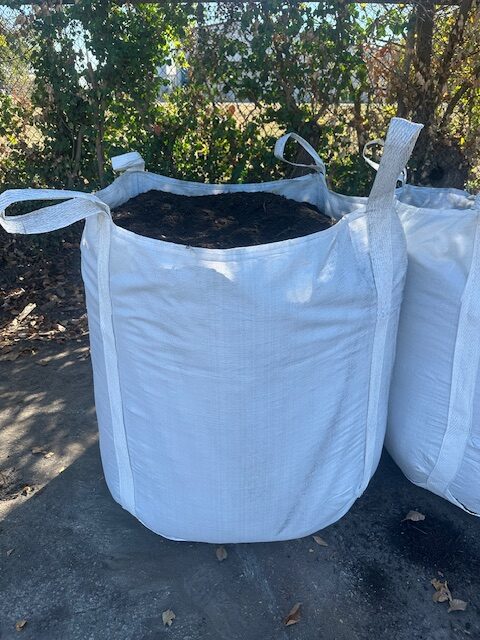
- In-Store Pickup: Many garden centers, such as Soil Service or Planters Seed & Spice Co., allow customers to pick up bagged biochar or biochar-enriched soil directly from their retail locations.
- Local Residential Delivery: Several suppliers provide delivery services within the Kansas City metro area (including Overland Park, Lee’s Summit, and Olathe). For smaller residential loads, this is often done via dump truck for a flat fee.
- Bulk and “Blower” Services: For large-scale projects, suppliers like KC Biochar offer bulk delivery in cubic yards. Some local soil companies even provide blower truck services, which can install biochar-enriched soil directly into raised beds or across lawns up to 150 feet from the truck.
What Are the Benefits of Using Biochar as a Soil Amendment in Kansas City?

How Does Biochar Improve Soil Fertility and Nutrient Retention?
Farmers in Kansas City can purchase quality biochar from various local suppliers, including agricultural co-ops and specialty garden centers. Many of these suppliers offer different types of biochar, catering to specific soil types and crop requirements. Additionally, some suppliers provide online purchasing options, making it easier for farmers to access biochar products.
What Are the Differences Among Local Biochar Types and Sources?
Because biochar keeps nutrients trapped in the soil for longer, plants can use them more efficiently. Over time, this reduces the frequency and amount of supplemental fertilizer needed.
By physically separating dense clay particles, biochar creates a more aerated environment. This “fluffier” soil promotes deeper root growth and provides a protected habitat for beneficial microbes.
For the best results, biochar should be “charged” (mixed with compost or liquid fertilizer) before application. This ensures the pores are pre-loaded with nutrients so they don’t pull nitrogen away from your plants immediately after burial.
Biochar Benefits: Soil Fertility, Crop Yield & Application
The addition of biochar is a solution because biochar has been shown to improve soil fertility, to promote plant growth, to increase crop yield, and to reduce contaminations. We review here biochar potential to improve soil fertility. The main properties of biochar are the following: high surface area with many functional groups, high nutrient content, and slow-release fertilizer. We discuss the influence of feedstock, pyrolysis temperature, pH, application rates, and soil types.
Biochar to improve soil fertility. A review: Y. Ding et al., X Tan, 2016
What Are the Common Biochar Production Methods Used in Kansas City?
- Carbon Sequestration: Biochar captures carbon from organic biomass that would otherwise decompose and release carbon di oxide. By locking this carbon into a stable, solid form and storing it in the soil, it effectively creates a “carbon sink” that helps mitigate climate change for hundreds of years.
- Reduction of Greenhouse Gases: Research shows that biochar-amended soils can significantly reduce emissions of nitrous oxide and methane. It achieves this by altering soil microbial activity and improving aeration, which prevents the anaerobic conditions that typically produce these potent gases.
- A Circular Waste Solution: The production of biochar offers a “dual benefit” for the environment. It diverts organic waste such as fallen limbs, agricultural residues, and food waste away from landfills and transforms it into a high-value resource. This reduces landfill methane emissions while simultaneously rebuilding local soil health.
Biochar Production, Soil Health & Environmental Mitigation
The growing interest in biochar production from organic waste stems from its potential to enhance soil health and mitigate environmental issues associated with waste disposal. This review systematically categorizes recent advancements in biochar production methods and evaluates various feedstocks, highlighting that high-cellulose materials significantly improve biochar‘s properties, thereby enhancing its effectiveness as a soil conditioner. Recent trends in biochar production methods and its application as a soil health conditioner: a review, VP Bhange, 2020
How Do I Apply Biochar Effectively for Gardening and Farming in Kansas City?
What Are the Recommended Application Rates and Timing for Kansas City Soils?
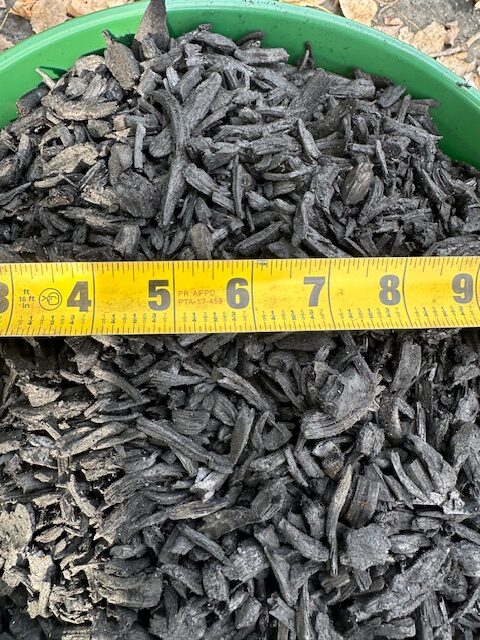
Aim for a 10% mix by volume. This equates to roughly 1 cubic foot of biochar for every 100 square feet of garden space, tilled into the top 6 inches of soil.
After core aeration, apply approximately 10 to 20 lbs per 1,000 square feet. This allows the particles to settle into the aeration holes rather than sitting on top of the grass.
When is the Best Time to Apply?
- Early Spring (Pre-Planting): This is the most common time. It allows you to work the biochar into the soil while it is soft from spring rains, giving it time to interact with your early-season fertilizers.
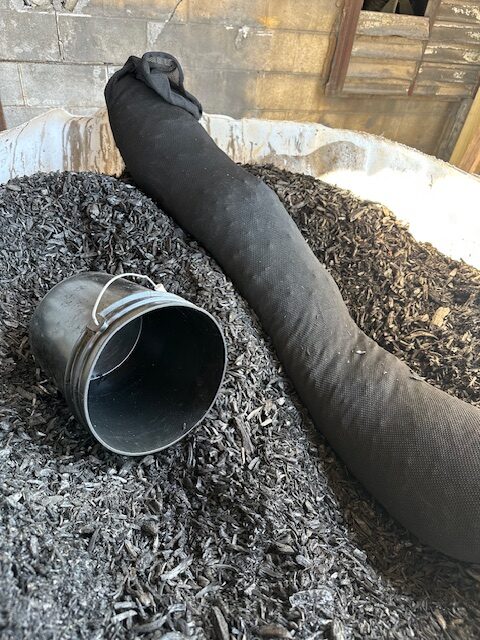
- Late Fall (Post-Harvest): Many experts recommend fall application in the Midwest. Applying biochar with a cover crop in the fall gives the material an entire winter to “weather” and integrate with the soil biology, meaning it will be fully “charged” and ready for your spring seedlings.
- Avoid Frozen Ground: Never apply biochar when the ground is frozen or covered in snow. Because biochar is lightweight, it will sit on the surface and likely wash away into local storm drains during the winter thaw.
Can Biochar Be Combined with Other Soil Amendments?
- Compost: This is the “gold standard.” Mixing biochar into your compost pile (co-composting) reduces odors, prevents nitrogen loss, and provides “housing” for beneficial microbes.
- Organic Fertilizers: Soaking biochar in liquid fertilizer or mixing it with bone/blood meal prevents the biochar from “stealing” nutrients from your plants during the first season.
- Worm Castings: Combining these creates a “super-charged” amendment that provides immediate biological activity for Kansas City’s heavy clay soils.
Top Benefits of Biochar Soil Amendments in Kansas City
Recent Adoption of Biochar in Midwestern Agriculture: Kansas City Examples
Testimonials from Kansas City Gardeners and Farmers Using Biochar
- Superior Root Development: Gardeners in the Northland and Overland Park have noted that biochar prevents their heavy clay soil from turning into “bricks” during summer dry spells, allowing for much deeper, more resilient root systems.
- Drastic Water Savings: Several urban farmers report a 20-30% reduction in irrigation needs, as the biochar acts like a permanent sponge during the intense July heat.
- Decreased Fertilizer Costs: By “charging” biochar with compost or organic teas, local users find they can reduce their reliance on expensive chemical fertilizers, as the nutrients stay in the root zone rather than washing away during spring thunderstorms.
What Common Questions Do Kansas City Residents Have About Biochar?
How Does Biochar Affect Soil pH and Nutrient Content?
pH Considerations:
Most biochar is slightly alkaline. Since many Kansas City lawns already sit on alkaline limestone, it’s important to test your soil first. If your pH is already high, use biochar sparingly or mix it with acidic organic matter like pine bark.
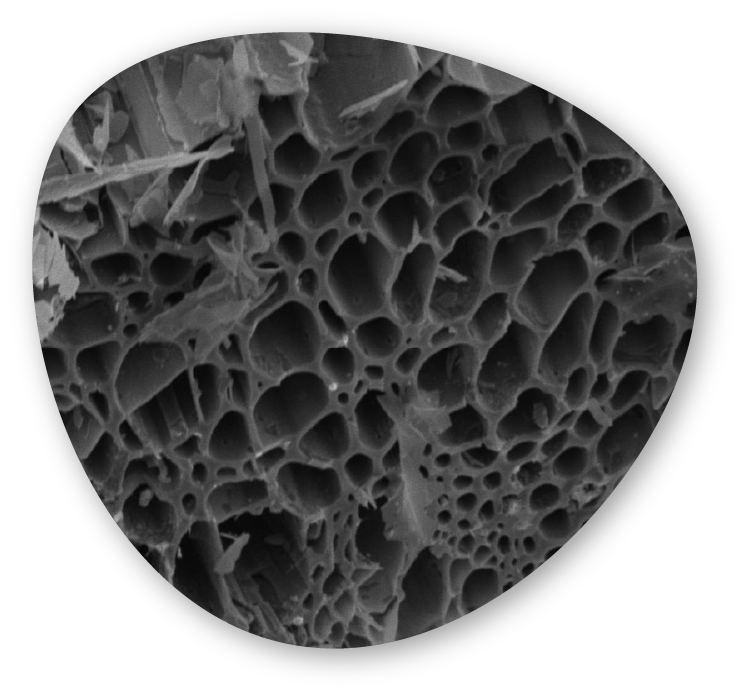
While biochar contains trace minerals, its primary power is retention. It acts as a “magnetic sponge” that prevents your existing nutrients from leaching away during heavy Missouri thunderstorms.
Biochar Definition, Pyrolysis & Soil Amendment Uses
Biochar simply is the material produced when biomass undergoes any chemical processes under the conditions of pyrolysis. The variety of biomasses, including wood waste, agricultural crop leftover, organic waste, animal manure, and forestry residues, have been considered as raw material to produce biochar. Biochar is widely used for generation of heat and power and an addition to soils, in which it serves as a fertilizer and carbon sequestration agent.
Biochar applications and modern techniques for characterization, FR Amin, 2016