Frequently Asked Questions
How can I purchase biochar products?
Purchasing biochar products is simple. You can explore our range of offerings on the KCBIOCHAR website, select your desired items, and proceed to checkout. Alternatively, you can request a quote for larger orders.
What types of biochar products are available?
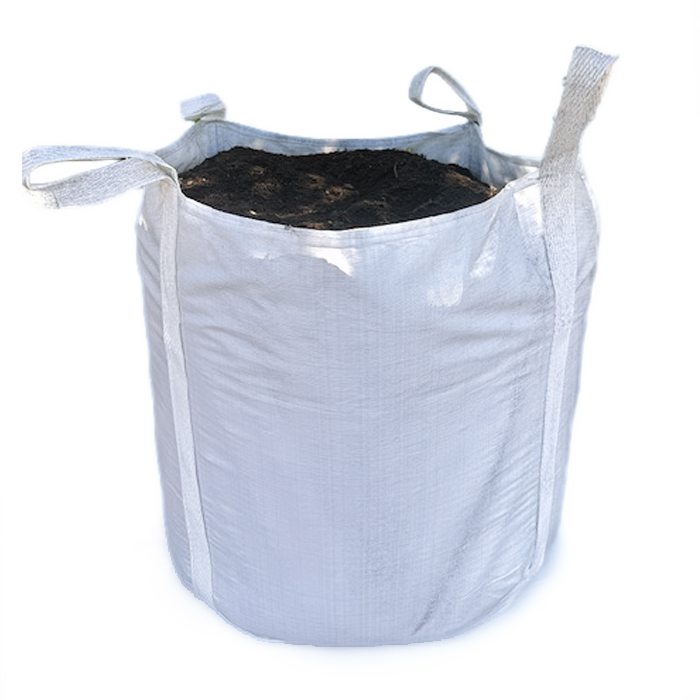
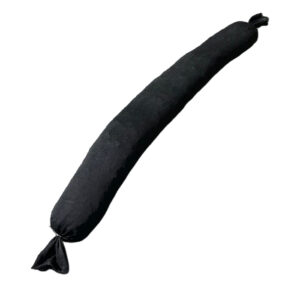
The types of biochar products available include a 20% Biochar Compost Blend, 100% Biochar Fines, and various filter socks tailored for agricultural and environmental applications.
Where can I find bulk biochar for sale?
Bulk biochar is available for sale through various suppliers, including KCBIOCHAR, which offers a range of biochar products suitable for agricultural and environmental applications.
What are the applications of biochar in agriculture?
The applications of biochar in agriculture include improving soil fertility, enhancing water retention, reducing nutrient leaching, and promoting beneficial microbial activity, leading to healthier crops and increased yields.
How does biochar benefit the environment?
The environmental benefits of biochar include enhancing soil fertility, improving water retention, and reducing greenhouse gas emissions. It also helps in carbon sequestration, making it a valuable tool for sustainable agriculture and climate change mitigation.
What is the best way to purchase biochar?
The best way to purchase biochar is to explore our online catalog at KCBIOCHAR, where you can view various products and make direct purchases or request quotes for larger orders.
Which biochar products are most popular?
The most popular biochar products include our 20% Biochar Compost Blend, which enhances soil health, and the versatile 100% Biochar Fines, ideal for various applications. Additionally, our filter socks are favored for effective filtration solutions.
How is biochar used in gardening?
Biochar is used in gardening to enhance soil health by improving nutrient retention, increasing moisture absorption, and promoting beneficial microbial activity. It can be mixed into the soil or used as a component in compost blends for optimal plant growth.
What are the benefits of using biochar?
The benefits of using biochar include improving soil fertility, enhancing water retention, reducing greenhouse gas emissions, and promoting healthier plant growth. It serves as a sustainable solution for agricultural and environmental challenges.
Can biochar improve soil health?
Biochar can significantly improve soil health. It enhances soil structure, increases water retention, and boosts nutrient availability, leading to better plant growth and overall soil fertility.
Where to buy biochar locally?
You can buy biochar locally at garden centers, agricultural supply stores, and specialty retailers that focus on sustainable gardening products. Additionally, check online directories or local farmers' markets for vendors offering biochar.
What sizes of biochar bags are available?
The available sizes of biochar bags include various options to suit different needs, such as small, medium, and large bags. Please check our product listings for specific dimensions and capacities.
How to apply biochar to crops?
Applying biochar to crops involves mixing it into the soil before planting or top-dressing established plants. Aim for a ratio of 5-10% biochar to soil to enhance nutrient retention and improve soil structure.
Is bulk biochar cost-effective?
Bulk biochar is cost-effective due to its long-term benefits, including improved soil health, enhanced crop yields, and reduced need for chemical fertilizers, making it a valuable investment for agricultural and environmental applications.
What makes biochar environmentally friendly?
Biochar is environmentally friendly due to its ability to sequester carbon, improve soil health, and reduce greenhouse gas emissions. Its production from organic waste also minimizes landfill use and promotes sustainable agricultural practices.
How does biochar enhance plant growth?
Biochar enhances plant growth by improving soil structure, increasing water retention, and providing a habitat for beneficial microorganisms. This leads to better nutrient availability and healthier root development, ultimately promoting robust plant growth.
What certifications should biochar products have?
Biochar products should ideally have certifications such as the International Biochar Initiative (IBI) Certification and the USDA BioPreferred Program, ensuring they meet quality and environmental standards for agricultural and ecological use.
Can I use biochar in composting?
Biochar can be effectively used in composting. It enhances nutrient retention, improves soil structure, and promotes beneficial microbial activity, making it a valuable addition to your compost mix.
What is the shelf life of biochar?
The shelf life of biochar is essentially indefinite when stored properly. It remains stable and effective for many years, making it a long-lasting addition to soil and agricultural applications.
How to store biochar properly?
Proper storage of biochar involves keeping it in a dry, well-ventilated area, away from moisture and direct sunlight. Use airtight containers to prevent contamination and maintain its quality until use.
What are the differences between biochar types?
The differences between biochar types lie in their feedstock, production methods, and intended applications. These variations affect their physical and chemical properties, influencing their effectiveness in soil enhancement, carbon sequestration, and environmental remediation.