At KC Biochar, we are thrilled to announce our grand opening, offering innovative biochar solutions for farmers, builders, and eco-conscious consumers alike. Our mission is to transform wasted wood stocks into clean, efficient biochar products that serve both as powerful soil amendments and effective erosion control systems.
Explore Sustainable Raw, Charged, and Bulk Biochar Products
Raw Biochar
Best Natural Soil Amendment
Discover the unparalleled benefits of raw biochar:
Enhances soil’s physical, chemical, and biological properties
Retains water and absorbs nutrients
Houses and protects vital microorganisms
Fights pests, boosts fertility, and increases crop yield
Safe for both organic and conventional farming, our 100% pure raw biochar is a game-changer for agricultural practices.
Get ahead with our state-of-the-art pyrolysis system coming online in 2026. We’re already accepting orders for truckloads and partial loads. Choose our biochar for an environmentally and financially responsible choice that benefits the soil and our planet by capturing pollutants and enriching soils.
Our charged biochar combines our superior raw biochar with on-site compost to rejuvenate forest floors and treat polluted sediments efficiently and sustainably.
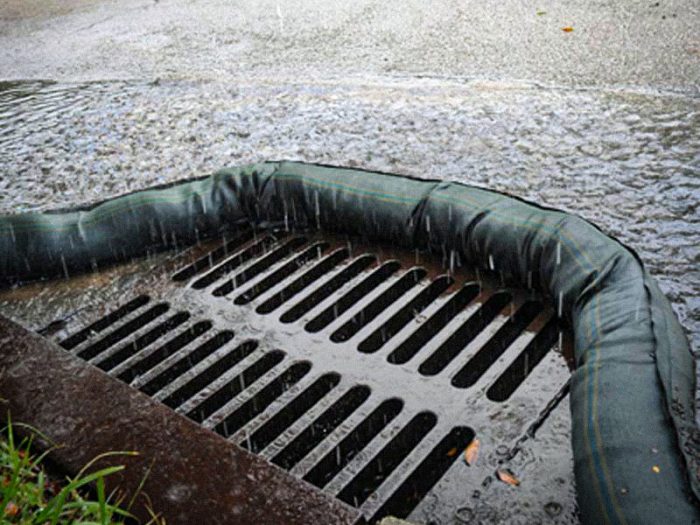
An innovative sediment control device, our biochar silt sock is a cost-effective and environmentally friendly solution to combat erosion and filter hazardous pollutants from agricultural runoff and stormwater.
You can buy biochar locally through KC Biochar, which offers a range of biochar products. Visit our website to find ordering options and locate the nearest distributor in your area.
Where to buy biochar near me?
To find biochar near you, consider contacting local suppliers or agricultural stores that specialize in sustainable products. KC Biochar offers bulk orders and delivery options for your convenience.
What can biochar be used for?
Biochar can be used for enhancing soil fertility, improving water retention, and reducing erosion. It also serves as a carbon sequestration tool, promoting sustainable agricultural practices and contributing to environmental health.
What are the benefits of using biochar?
The benefits of using biochar include enhancing soil health, improving water retention, reducing erosion, and sequestering carbon. It also promotes beneficial microbial activity, leading to increased crop yields and sustainable agricultural practices.
How does biochar improve soil health?
Biochar improves soil health by enhancing nutrient retention, increasing soil aeration, and promoting beneficial microbial activity. This results in healthier plants, better water management, and reduced soil erosion, contributing to sustainable agricultural practices.
Can biochar be used in gardens?
Biochar can indeed be used in gardens. It enhances soil health by improving nutrient retention, promoting beneficial microbial activity, and aiding in water management, making it a valuable addition for any gardening enthusiast.
What types of biochar are available?
The types of biochar available include raw biochar, which is unprocessed and suitable for various applications, and charged biochar, which is enriched with nutrients for enhanced soil health and plant growth.
Is biochar safe for vegetable gardens?
Biochar is safe for vegetable gardens. It enhances soil health by improving nutrient retention and promoting beneficial microbial activity, making it an excellent addition for growing healthy vegetables.
How is biochar produced sustainably?
Biochar is produced sustainably by pyrolyzing local woody biomass in a low-oxygen environment, minimizing emissions and utilizing renewable resources. This process enhances soil health while effectively managing waste and reducing carbon footprints.
What is the best way to apply biochar?
The best way to apply biochar is to mix it thoroughly with soil or compost before planting. This enhances soil structure, improves nutrient retention, and promotes beneficial microbial activity for optimal plant growth.
How does biochar affect plant growth?
Biochar positively affects plant growth by enhancing soil health, improving nutrient retention, and increasing water absorption. Its porous structure provides a habitat for beneficial microbes, promoting a thriving ecosystem that supports robust plant development.
Can I make biochar at home?
Making biochar at home is possible with the right materials and methods. You can use a simple kiln or pit method to convert organic waste, like wood chips or yard debris, into biochar safely and sustainably.
What is the cost of biochar products?
The cost of biochar products varies based on factors such as type and quantity. For specific pricing details, please contact us directly to receive a customized quote tailored to your needs.
Where can I find local biochar suppliers?
Local biochar suppliers can be found by searching online directories, local agricultural co-ops, or sustainable farming organizations. Additionally, visiting farmer's markets or contacting local environmental groups may lead you to nearby suppliers.
How does biochar help with erosion control?
Biochar helps with erosion control by enhancing soil structure and stability. Its porous nature improves water retention and reduces runoff, thereby minimizing soil displacement and promoting healthy plant growth, which further anchors the soil in place.
What is the difference between raw and charged biochar?
The difference between raw and charged biochar lies in their composition and application. Raw biochar is a carbon-rich material created through pyrolysis, while charged biochar has been infused with nutrients or organic matter, enhancing its ability to improve soil health and fertility.
How long does biochar last in soil?
Biochar can last in soil for hundreds to even thousands of years, depending on factors like soil type and environmental conditions. Its stability makes it a long-term solution for enhancing soil health and retaining nutrients.
Can biochar be used in composting?
Biochar can indeed be used in composting. It enhances microbial activity, improves aeration, and helps retain moisture, ultimately resulting in richer compost that benefits soil health.
What crops benefit most from biochar?
Crops that benefit most from biochar include vegetables, fruits, and grains, particularly those grown in nutrient-poor soils. Biochar enhances soil fertility, improves water retention, and promotes healthier root development, leading to increased yields.
How does biochar impact soil pH levels?
The impact of biochar on soil pH levels is significant. Biochar can help to raise soil pH, making acidic soils more neutral, which enhances nutrient availability and promotes healthier plant growth.
What research supports biochars effectiveness?
Research supports biochar's effectiveness in enhancing soil fertility, improving water retention, and reducing greenhouse gas emissions. Numerous studies demonstrate its positive impact on crop yields and soil health, confirming its role as a sustainable agricultural amendment.
Are there any drawbacks to using biochar?
The drawbacks of using biochar include potential nutrient immobilization, which can temporarily reduce soil fertility, and the need for proper application techniques to maximize benefits. Additionally, sourcing and producing biochar can involve costs and energy use.
How can I order biochar in bulk?
Ordering biochar in bulk is simple. You can request a quote directly through our website or contact us via phone or email to discuss your specific needs and quantities.
What is the environmental impact of biochar?
The environmental impact of biochar is significant, as it enhances soil health, sequesters carbon, and reduces greenhouse gas emissions, while also improving water retention and nutrient availability in the soil.
How does biochar enhance nutrient retention?
Biochar enhances nutrient retention by improving soil structure and increasing its surface area, which allows it to hold onto essential nutrients and water. This results in better availability of nutrients for plants, promoting healthier growth.
Can biochar be used in landscaping?
Biochar can be effectively used in landscaping. It enhances soil health, improves water retention, and supports plant growth, making it a valuable addition to gardens and landscape projects.
What are the best practices for biochar storage?
The best practices for biochar storage include keeping it in a dry, well-ventilated area, using moisture-proof containers, and avoiding direct sunlight to maintain its quality and effectiveness for soil health.
How does biochar interact with soil microorganisms?
Biochar interacts with soil microorganisms by enhancing their habitat and promoting diversity. Its porous structure provides a refuge for beneficial microbes, while its nutrient retention capabilities support microbial activity, ultimately improving soil health and fertility.
What certifications should I look for in biochar?
The certifications to look for in biochar include the International Biochar Initiative (IBI) certification and the USDA Certified Biobased Product label. These certifications ensure the biochar meets quality standards and environmental sustainability criteria.
How can biochar contribute to carbon sequestration?
Biochar contributes to carbon sequestration by stabilizing carbon in a solid form, preventing its release into the atmosphere. This process enhances soil health while effectively reducing greenhouse gas emissions, making it a valuable tool in climate change mitigation.
kc biochar, produce wholesaler, biochar near me
Benefits of Biochar for Soil Health
Biochar is recognized as a powerful tool for enhancing soil health, offering numerous benefits that contribute to sustainable agriculture. By improving soil structure, biochar enhances aeration and water retention, which are essential for plant growth. Its ability to retain nutrients means that essential minerals are available for longer periods, reducing the need for chemical fertilizers.
Research has shown that incorporating biochar into soil can lead to increased crop yields and improved soil fertility. For instance, studies indicate that biochar can increase agricultural productivity by up to 30% in some cases. Furthermore, its role in sequestering carbon helps mitigate climate change, making it an environmentally friendly choice for farmers.
How to Use Biochar in Your Garden
Integrating biochar into your gardening routine can be straightforward and rewarding. It can be mixed into the soil before planting or used as a top dressing around existing plants. The recommended application rate varies, but generally, a mixture of 10-20% biochar with soil is effective for most garden settings.
Additionally, pre-charging biochar with compost or liquid fertilizers can enhance its nutrient-holding capacity, providing a more immediate benefit to plants. This practice not only boosts nutrient availability but also supports beneficial microbial life in the soil, creating a thriving ecosystem for plants.
Ordering and Delivery Options
At KC Biochar, we strive to make the ordering process as convenient as possible for our customers. We offer various options for purchasing our biochar products, including bulk orders for larger agricultural operations and smaller quantities for home gardeners. Customers can easily request a quote through our website or contact us directly for personalized assistance.
Our delivery services are designed to accommodate a range of needs, ensuring that biochar products arrive promptly and in excellent condition. We also provide information on local pickup options for customers who prefer to collect their orders directly from our facility in Kansas City.
Customer Testimonials
Feedback from our customers highlights the transformative impact of biochar on their agricultural practices and gardening efforts. Many farmers have reported significant improvements in soil quality and crop performance after using our biochar products, praising its effectiveness and sustainability.
Gardeners have also shared their success stories, noting enhanced plant growth and resilience against pests. These testimonials not only reflect the quality of our products but also reinforce our commitment to promoting sustainable practices in agriculture and gardening.