

Soil Amendment for Gardens: Kansas City Guide
Biochar amends Kansas City’s compacted clay soils by improving drainage, boosting nutrient retention, and reducing fertilizer dependence. KCBIOCHAR, based in Kansas City, Missouri, produces bulk biochar from locally sourced, sustainable woody biomass. Home gardeners and urban growers apply it to break up clay, aerate root zones, and build lasting soil fertility naturally.
Because native Midwestern clay is composed of microscopic, tightly packed platelets, heavy spring rains frequently cause severe waterlogging and surface crusting, while hot summer stretches bake the ground into hardpan. Biochar’s rigid, porous carbon matrix physically wedges between these dense soil particles, permanently opening air channels and improving water infiltration rates. Simultaneously, its microscopic chambers act like a subterranean reservoir trapping essential moisture and plant-available nutrients like nitrogen and potassium right in the root zone so they don’t wash away. By establishing a thriving microbial habitat that will not decompose or compress over time, biochar turns frustrating backyard soil into a resilient, nutrient-dense foundation for vegetables, perennials, and native landscapes season after season.
Key Takeaways
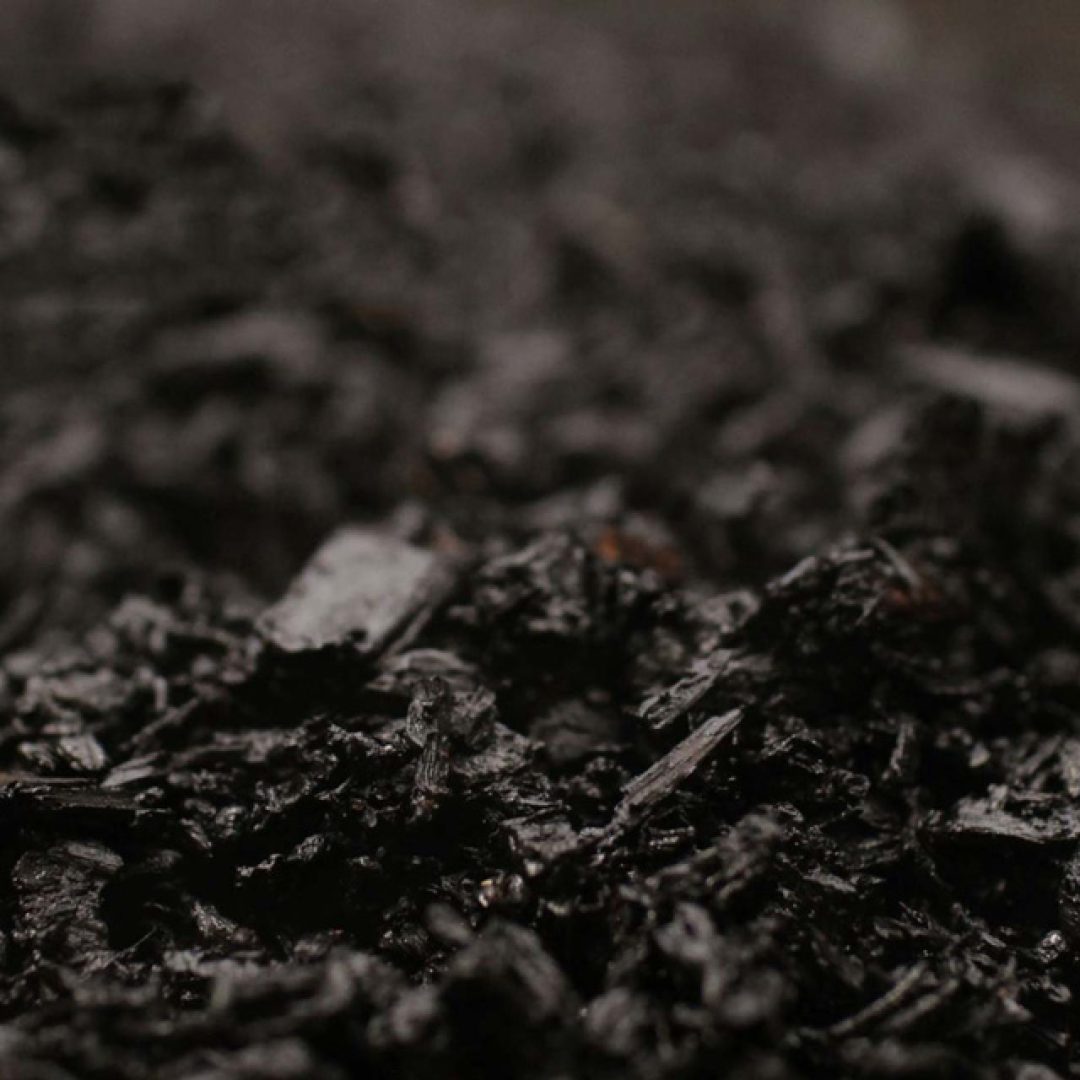
Overcoming
Clay
Compaction
Kansas City's native clay soils compact under heavy rainfall, suffocating delicate root systems, restricting aeration, and locking away essential nutrients from plants.
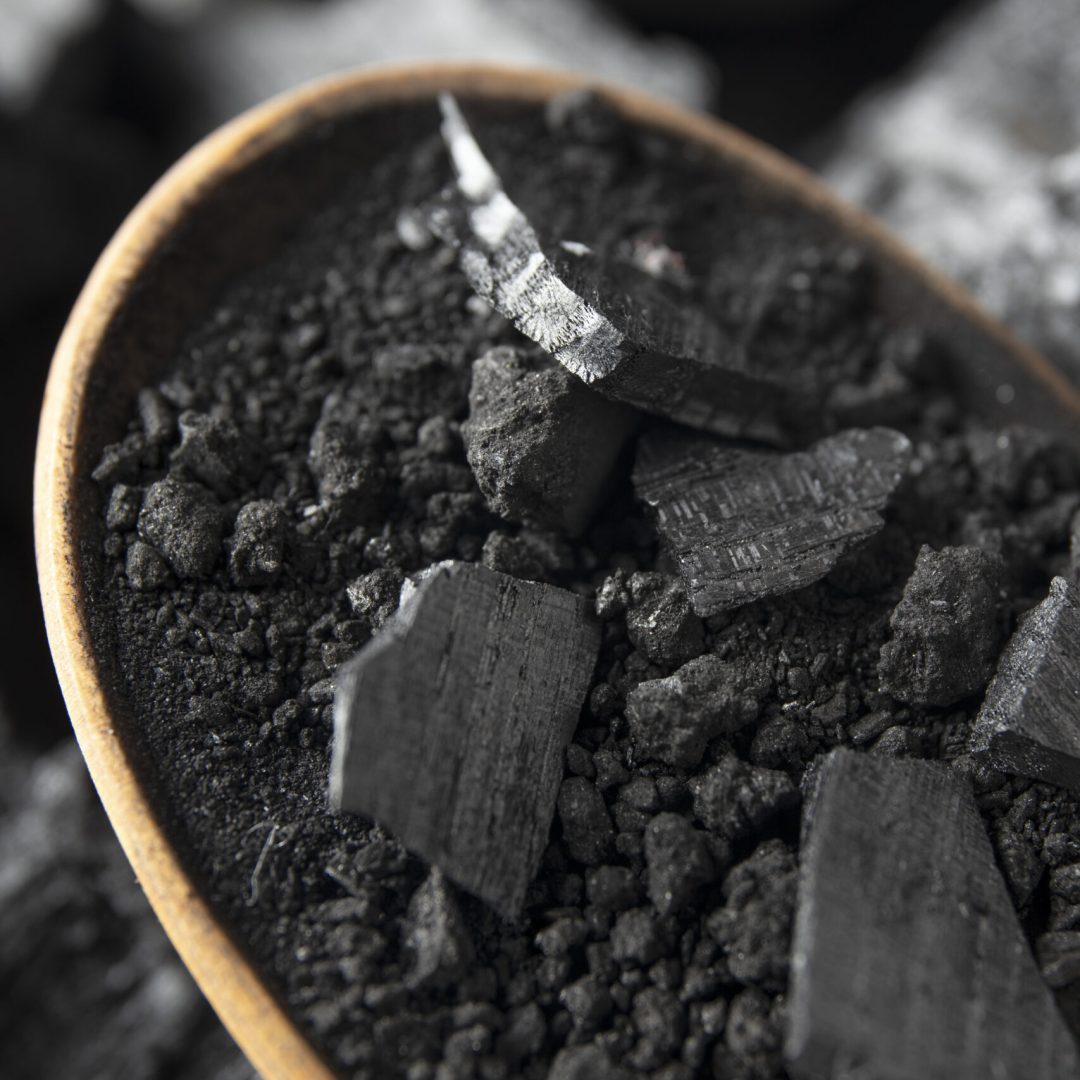
Long-Term
Compost
Benefits
Adding quality compost to the soil surface in both spring and fall significantly improves nutrient levels, organic matter content, and soil structure over three-year periods in Kansas City gardens.
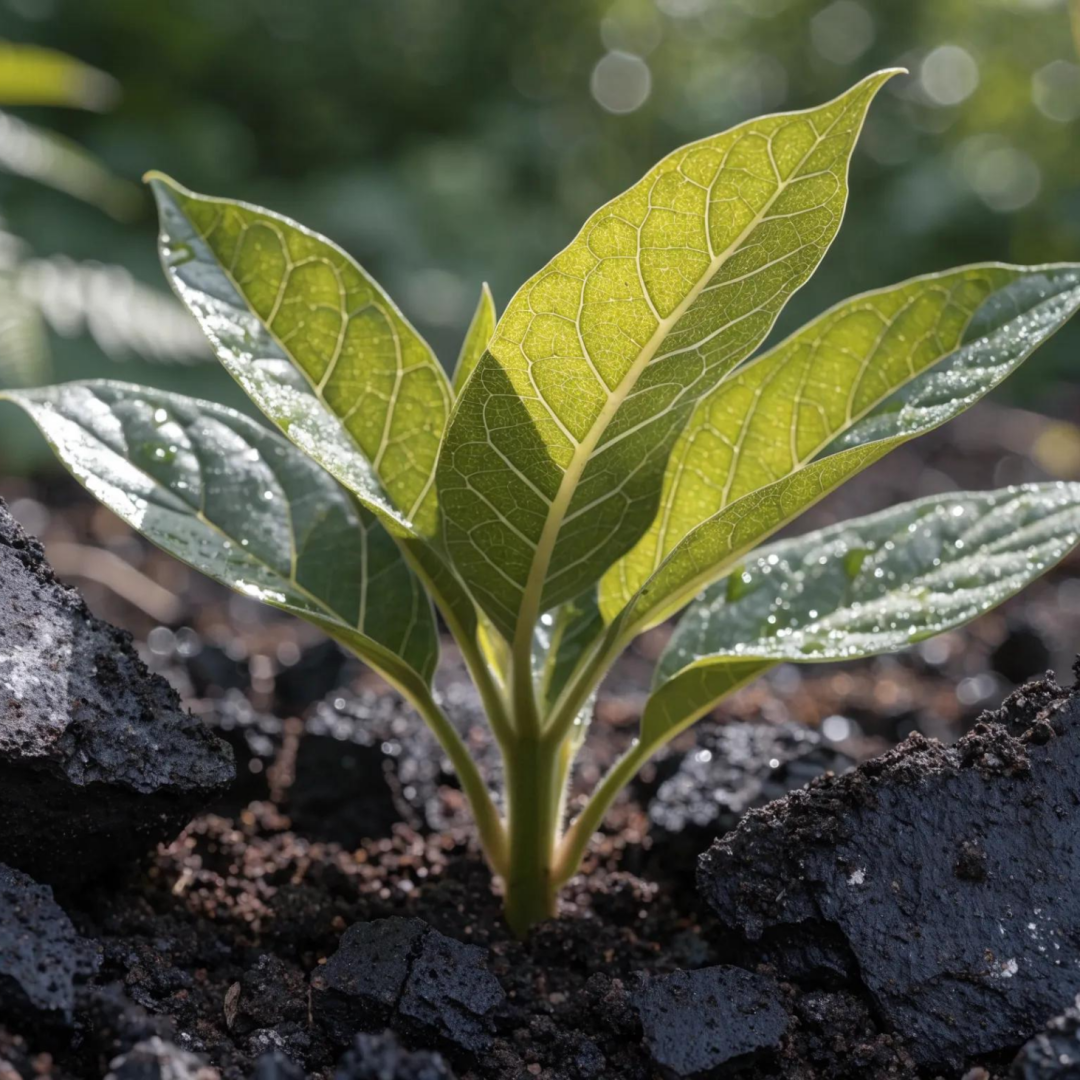
Permanent
Soil
Transformation
Organic soil amendments and carbon structures like biochar break the relentless compaction cycle, improving internal drainage, boosting moisture retention, and building lasting fertility for Kansas City gardeners.
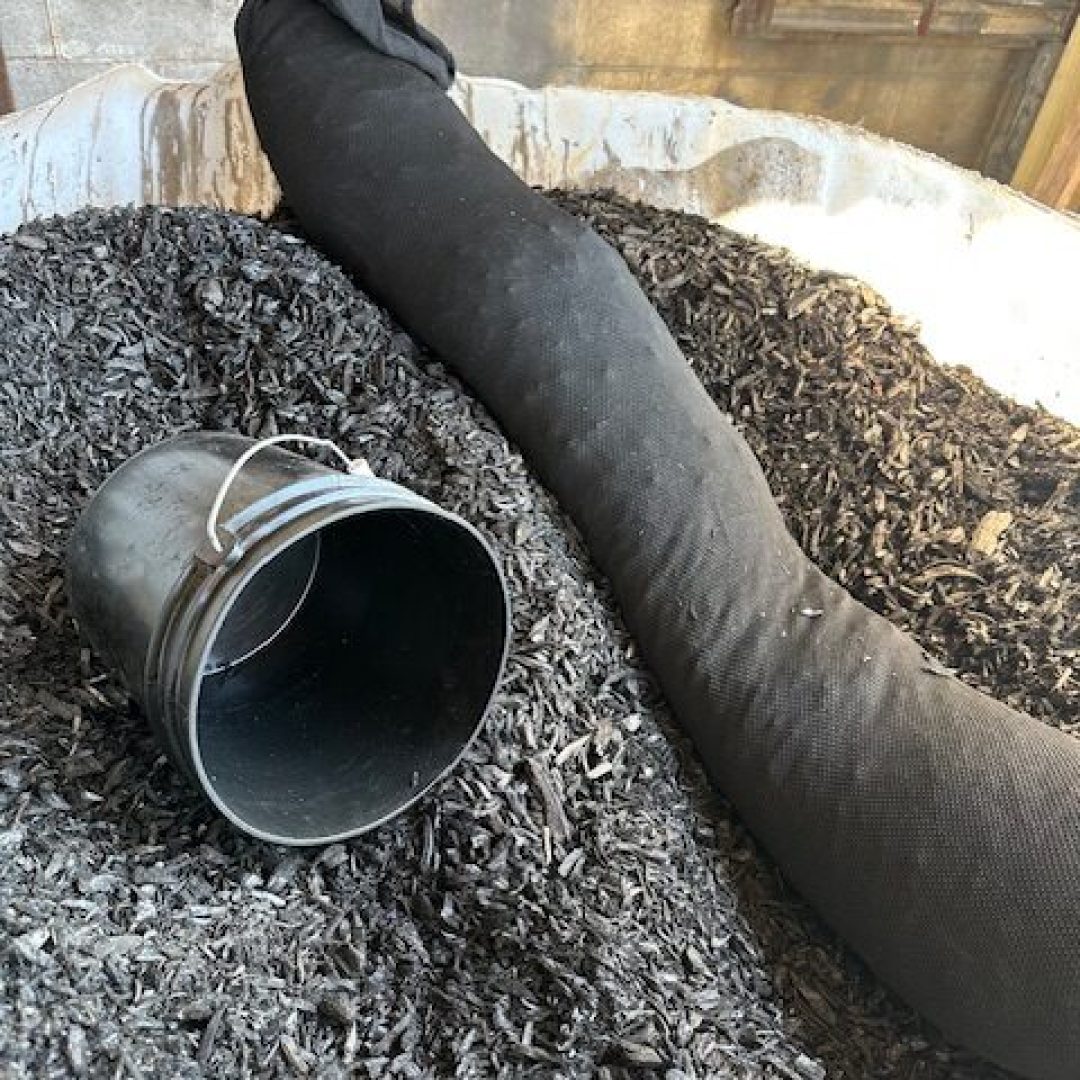
Local Production
& Direct
Access
KCBIOCHAR operates Monday through Friday, 8:00 AM to 3:00 PM, serving Kansas City soil amendment needs with locally produced, high-grade woody biochar in convenient bags, super sacks, and bulk delivery.
Why Does Kansas City Clay Need Soil Amendment?
Native clay dominates yards and garden beds across the Kansas City metro, and it compacts hard under seasonal rainfall. Root systems struggle to push through the dense particles, while nutrients that plants need get locked away instead of absorbed. Gardeners and growers throughout the region face this same persistent challenge year after year.
Clay soil isn’t inherently bad. It retains nutrients better than sandy soil, in fact. The trouble comes from drainage, compaction, and restricted root growth three problems that compound each other over a single growing season.
Because heavy Midwestern clay is composed of ultra-fine, flat microscopic platelets, heavy spring rains cause these particles to compress tightly together, driving out essential oxygen and causing water to pool on the surface. When summer heat arrives, this saturated ground bakes into an impenetrable, concrete-like hardpan that cracks deeply and repels water. As a result, tender plant roots become trapped in an oxygen-deprived layer during the spring and suffer severe dehydration during summer droughts. Without incorporating structural amendments like biochar and organic matter to permanently separate these dense clay platelets, even heavily fertilized gardens remain starved of water infiltration, microbial activity, and steady root expansion.

What Makes Clay Soil So Difficult to Garden In?
Compaction is the core issue. Dense clay particles pack tightly together, squeezing out the air pockets roots and water need to move freely.
This extreme density creates a suffocating environment in the root zone, where water cannot infiltrate efficiently during heavy spring downpours, leading to waterlogging, poor aeration, and root rot. Conversely, when hot Midwestern summer temperatures arrive, this saturated clay dries out, baking into a rock-hard crust that cracks and actively repels irrigation. Tender feeder roots are physically unable to penetrate this concrete-like barrier, preventing plants from accessing moisture and vital nutrients located just inches deeper in the profile. Furthermore, the absence of pore space starves beneficial aerobic soil microbes of oxygen, drastically slowing down natural nutrient cycling and stunting overall garden vitality.
Can Amending Clay Soil Actually Fix These Problems?
Organic soil amendment for gardens offers a sustainable, proven path forward. Rather than fighting compaction season after season, organic amendments work to:
Improve drainage by loosening compacted particles
Build long-term fertility without relying on synthetic fertilizers
Break the cycle of nutrient lockup that plagues local clay beds
Biochar has emerged as one such amendment gaining traction across Kansas City, valued for improving soil health, boosting water retention, and increasing nutrient availability where clay alone falls short. Unlike soluble chemical treatments that simply mask soil degradation, structural amendments physically rebuild the soil’s microscopic architecture. Integrating porous carbon into dense clay aggregates creates lasting macro-pore networks that let excess moisture drain away quickly during spring downpours while preventing soil particles from fusing back into hardpan. At the same time, this carbon matrix serves as a permanent sponge trapping plant-available moisture and buffering soil pH so locked-up minerals like phosphorus and potassium become readily accessible to feeder roots. By fostering a thriving, well-aerated ecosystem for beneficial bacteria and mycorrhizal fungi, proper soil amendment transforms heavy, unworkable Midwestern ground into productive, living garden soil.
What Soil Amendment for Gardens Does KCBIOCHAR Provide?
KCBIOCHAR supplies bulk biochar, a carbon-rich material built specifically for garden beds struggling against Kansas City clay. Untreated clay soil compacts under rainfall, suffocates roots, and locks away nutrients that plants desperately need. Left unaddressed, that compaction stunts growth season after season, forcing gardeners to fight the same drainage battles year after year. KCBIOCHAR’s product breaks that cycle at the source.
The material qualifies as a genuine soil amendment for gardens because of how it’s made and where it comes from. Biochar forms through pyrolysis, a process that heats organic biomass without much oxygen, converting it into a stable, long-lasting form of carbon. KCBIOCHAR produces its supply from locally sourced, sustainable woody biomass, engineering each batch for the clay-heavy conditions found throughout Kansas City yards and garden plots.
By thermally transforming regional forestry residue instead of allowing it to decompose, this specialized pyrolysis yields a rigid, micro-porous carbon matrix with an extraordinarily high internal surface area. When worked into garden beds, raised boxes, or market garden rows, it wedges permanently between dense clay platelets to create durable pore channels for rapid drainage and root aeration. Unlike standard compost that breaks down and vanishes within a couple of seasons, this woody biochar resists biological decay for centuries, functioning as a lifetime infrastructure upgrade. It continuously holds water, anchors organic fertilizers through a high Cation Exchange Capacity (CEC), and shields beneficial soil microbes—giving Kansas City growers a truly sustainable, locally produced foundation for thriving garden vitality.
How does raw biochar improve clay soil?
Raw biochar delivers a permanent structural and biological upgrade rather than a temporary fix. Its porous carbon particles physically break apart dense clay, opening channels for air, water, and roots to move freely.
Because Midwestern clay consists of microscopic, sheet-like platelets that pack tightly together under heavy rain, untreated ground quickly collapses into an oxygen-starved, waterlogged mass. Incorporating raw biochar alters this dynamic permanently: its rigid, charcoal-like granules act as microscopic wedges that prevent clay platelets from fusing back into an impermeable layer. This permanent aeration significantly lowers bulk density, allowing excess water to percolate downward during wet spring weather while preventing standing water and root rot.
At the same time, the vast interior surface area of each biochar particle acts as a sponge, storing plant-available water within the root zone to sustain crops through summer heatwaves. Chemically, biochar’s high Cation Exchange Capacity (CEC) captures key plant nutrients like potassium, ammonium, and calcium, keeping them from washing away and releasing them as feeder roots expand. Furthermore, these protected micro-cavities shelter beneficial mycorrhizal fungi and soil bacteria from environmental extremes, establishing a thriving, self-sustaining subterranean ecosystem that keeps clay soil fertile, loose, and workable for decades.
What results can Kansas City gardeners expect?
Integrating raw biochar into garden beds enhances fertility over time and steadily breaks down heavy Midwestern clay. The result is a more climate-resilient growing medium capable of supporting stronger yields season after season. Compared to synthetic amendments that wash out or degrade quickly, biochar’s carbon structure persists in the soil, making it a lasting investment for any Kansas City garden.
In the first growing season alone, gardeners will notice significantly improved soil tilth, reduced surface crusting after heavy rains, and fewer drainage issues in early spring. As plant roots expand into the porous carbon network, crops demonstrate greater drought tolerance during sweltering Midwest summers, requiring up to 20% to 30% less supplemental irrigation. Over successive seasons, the compounding benefits become even more pronounced: nutrient retention increases as biochar binds organic matter, fertilizer runoff plummets, and active colonies of mycorrhizal fungi thrive in the root zone. This biological momentum translates into deeper root penetration, stronger disease resistance, and substantially higher vegetable, herb, and flower yields without the recurring expense of re-tilling or re-applying short-lived soil amendments.
How Do You Start Amending Your Garden Soil?
Soil testing comes first. A physical and nutrient analysis reveals what garden soil is composed of, giving Kansas City growers the information needed to optimize their growing medium before adding a single amendment. Skipping this step wastes money on products the soil may not need and leaves compaction problems untouched.
What amendments work best for Kansas City clay?
Kansas City’s dense clay soils respond well to organic materials that improve structure over time. Pine bark, compost, and trace minerals each address a different weakness aeration, microbial activity, and nutrient gaps, respectively. These options represent a broader category: a soil amendment for gardens built specifically for regional clay, not generic potting mixes.
To build a truly resilient, high-performance soil profile in the Midwest, growers combine these complementary amendments to tackle compaction on multiple fronts:
Fine Pine Bark & Expanded Shale
Provides immediate, coarse aeration that prevents microscopic clay platelets from sticking together, keeping the soil crumbly and loose.
Finished Organic Compost
Supplies active microbial biology, feeds earthworms, and injects immediate organic matter into depleted beds.
Locally Produced Biochar
Acts as a permanent, non-degrading carbon skeleton that locks open pore space for decades, buffers soil pH, and creates a subterranean sponge that retains water and fertilizers.
Trace Minerals & Green Sand
Delivers essential micronutrients like iron, magnesium, and calcium to balance native clay chemistry and accelerate root nutrient uptake.
Pairing short-term biological inputs like compost with permanent structural upgrades like biochar gives Kansas City gardeners a lasting, multi-layered solution to heavy clay challenges.
Where should residential growers source their materials?
Sourcing locally matters as much as the product itself. Finding a nearby biochar supplier keeps transportation costs manageable while ensuring the material is specifically engineered for Kansas City’s climate and clay soil chemistry. Produced right in Kansas City from regional hardwood residuals, locally sourced biochar offers superior porosity compared to softwoods or low-temperature agricultural waste. Raw biochar has gained rapid traction across the region as a foundational amendment for residential and agricultural growers alike, prized for long-term carbon stability rather than one-season fixes.
Home gardeners have several practical formats to choose from depending on their landscape needs:
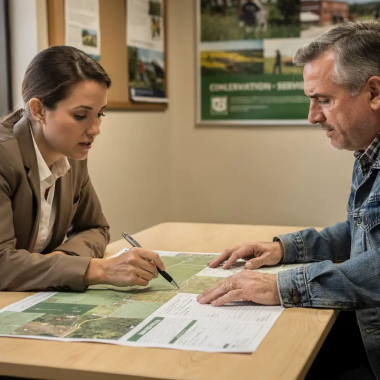
Bulk Raw Biochar: Ideal for large in-ground garden plots, raised bed construction, orchard installations, or erosion-prone slope stabilization where maximum square footage needs treatment.
Packaged Soil Conditioners (e.g., 1.5 cu. ft. bags): Pre-sized and easy to handle for container gardening, individual transplanting holes for trees and shrubs, and targeted vegetable patch maintenance.
Blended Compost-Biochar Mixes: Pre-charged, biologically active blends that introduce beneficial microbes and organic nutrients simultaneously for faster integration into compacted clay without requiring a curing period.
Selecting the right combination depends on bed size, plant type, and how quickly results are needed.
Biochar represents a substantive advancement in soil amendment strategy for Kansas City gardeners seeking to permanently enhance soil structure, optimize water retention during summer droughts, and secure essential nutrient availability. Local production ensures stringent product quality and supply chain transparency while supporting regional sustainability initiatives. By moving away from short-lived chemical inputs and embracing locally produced biochar, growers establish the foundation for lasting soil health, resilient root systems, and measurable productivity gains across diverse growing conditions.
FAQ
Kansas City’s native clay compacts heavily under seasonal rainfall and bakes during summer heat, suffocating root systems, causing poor drainage, and locking away essential plant nutrients. Structural amendments like biochar and compost permanently break this compaction cycle, opening pore space, optimizing drainage, and building lasting soil fertility.
KCBIOCHAR produces its biochar from sustainably harvested, locally sourced regional woody biomass. Through high-heat pyrolysis in an oxygen-depleted environment, the biomass is converted into a durable, highly porous carbon matrix engineered specifically for Midwest soils.
Biochar’s rigid, porous carbon particles act as microscopic wedges that physically separate dense clay platelets, creating permanent macro-pore channels for air, water, and root expansion. Its microscopic honeycomb structure holds onto moisture and vital nutrients such as nitrogen, phosphorus, and potassium preventing leaching and significantly reducing the need for repeated synthetic fertilizer applications.
Facts
Home – KCBIOCHAR is located in Kansas City, MO, US.