

Organic Soil Amendments for Kansas City Gardens
Kansas City gardeners and growers face a persistent challenge: native clay soils that compact under rainfall, choke root systems, and lock away nutrients. Organic soil amendments offer a proven, sustainable path to breaking that cycle — improving drainage, building long-term fertility, and reducing dependence on synthetic fertilizers.
KCBIOCHAR, based in Kansas City, Missouri, produces bulk biochar from locally sourced, sustainable woody biomass — a regionally made organic soil amendment engineered specifically for the clay-heavy soils of the Kansas City metro. The sections below cover the full range of amendment options available to local growers, how each one works, and how to apply them for lasting results
Key Takeaways
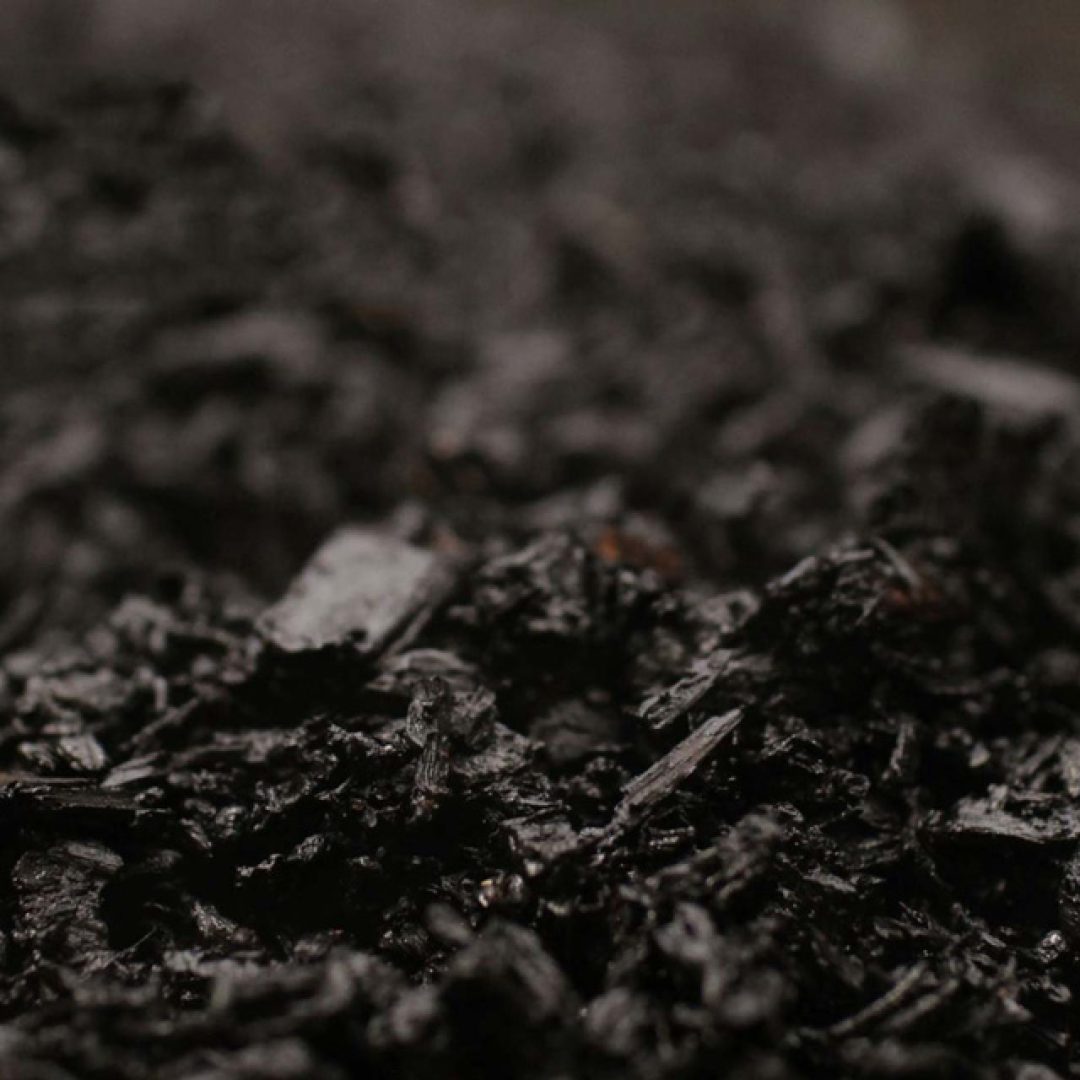
Kansas City’s dense clay soils benefit from organic amendments like pine bark, compost, and trace minerals.
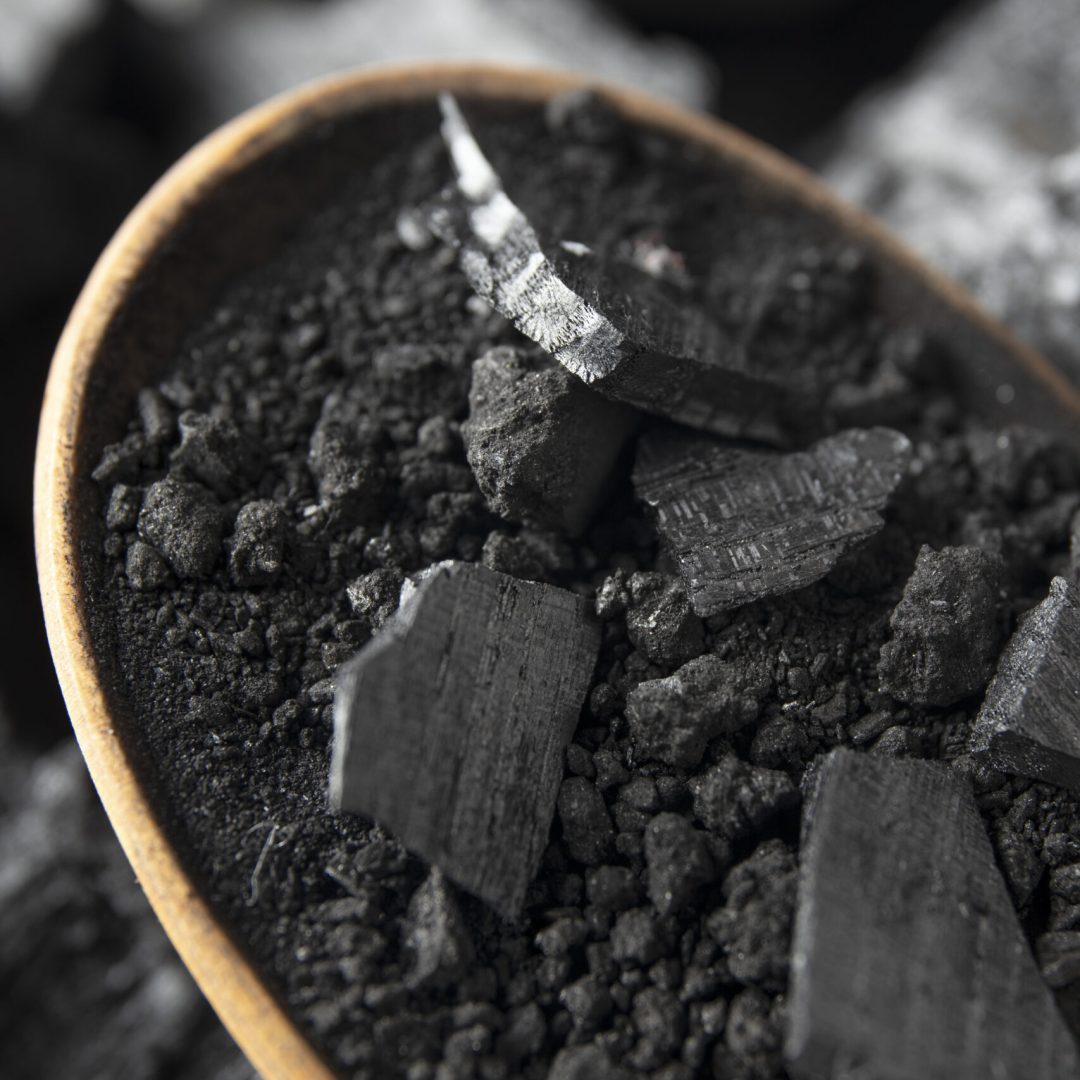
Summer Field Farms Organic Soil Conditioner comes in 1.5CF bags for trees, shrubs, and vegetables.
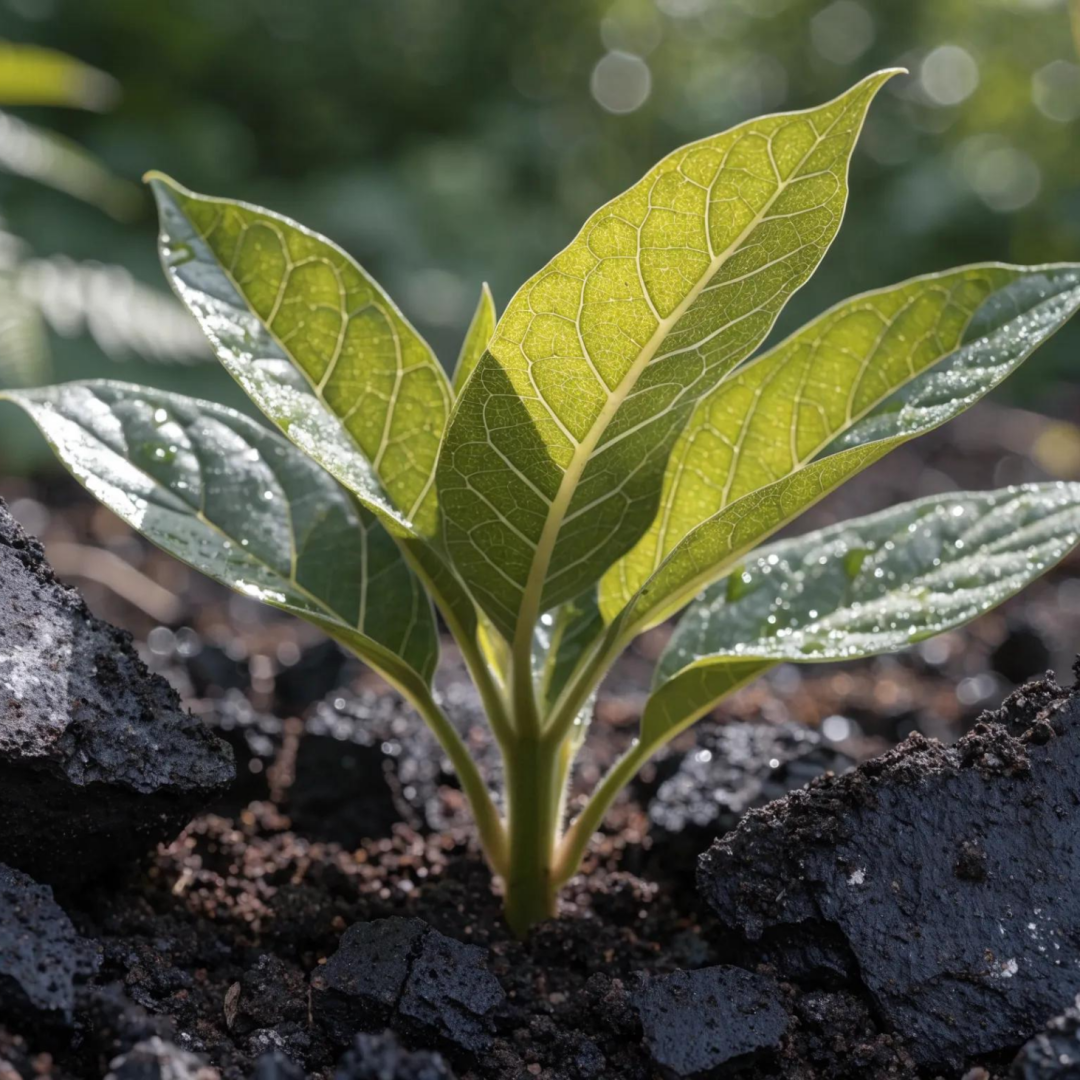
EcoGEM natural gypsum supplies 2 essential minerals, calcium and sulfur, boosting crop yields in Kansas City.
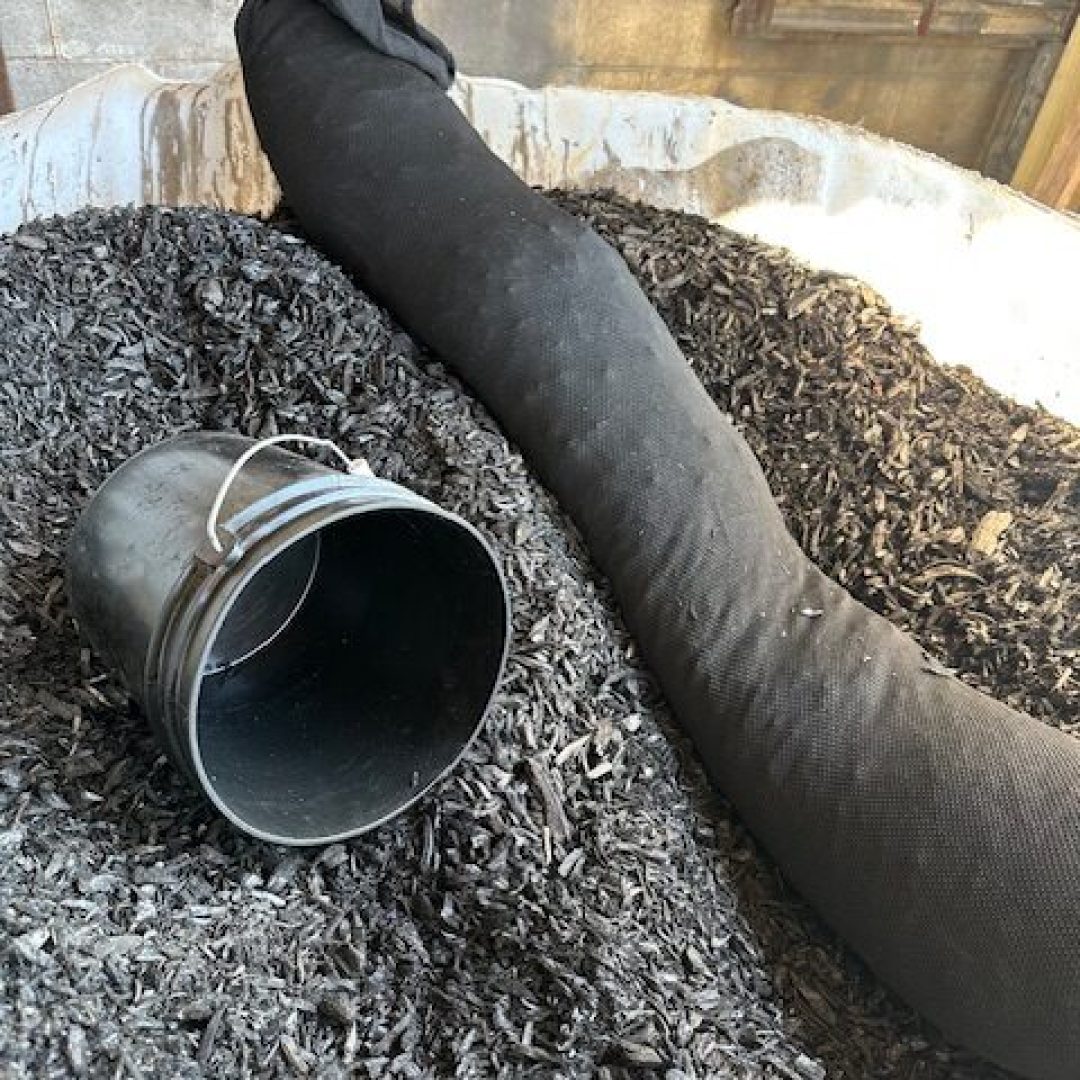
KCBIOCHAR, based in Kansas City, MO, provides locally sourced organic soil amendment solutions for residents.
What Is Organic Soil Amendment in Kansas City?
An organic soil amendment is any substance derived from natural, carbon-based sources that improves the physical, chemical, and biological characteristics of soil. Kansas City gardeners and farmers apply organic soil amendments specifically to correct the region’s notoriously dense clay soils, which restrict root growth and drain poorly without intervention.
Kansas City’s clay-heavy soil profile creates real consequences for growers. Without amendment, clay soils compact under rainfall, cutting off oxygen to root zones and locking nutrients away from plants. Organic amendments break that cycle by improving drainage, increasing aeration, and raising nutrient availability three deficiencies that consistently limit plant performance in the region.
What Types of Organic Soil Amendments Work Best for Kansas City Clay?
Several amendment types address Kansas City’s clay challenges directly:
Biochar
A carbon-rich material produced through the pyrolysis (high-heat oxygen-deprived baking) of organic matter like agricultural residues and forestry waste. It supports long-term enhances soil structure, nutrient retention, and microbial activity.
Compost
Decomposed organic material that loosens tight clay aggregates, populates the root zone with beneficial microbes, and feeds active soil biology.
Pine Bark Blends
Coarse-textured, slow-decomposing organic matter that opens up highly compacted soils and improves long-term drainage profiles.
Trace Mineral Mixes
Supplemental inputs that restore the ideal chemical and micronutrient balance in nutrient-depleted or heavily worked clay profiles.
Each amendment targets a different layer of soil dysfunction, and combining them produces compounding benefits for the grower.
Do Organic Soil Amendments in Kansas City Require Registration?
The rules regarding mandatory registration depend entirely on which side of the state line you are selling or distributing products.
The Kansas Soil Amendment Act strictly mandates that any commercial product distributed on the Kansas side of the metro (such as in Overland Park or Olathe) intended to alter the physical or chemical properties of soil must be registered with the Kansas Department of Agriculture (KDA).
However, the state law explicitly outlines major regulatory exemptions:
Exempt Products
Unmanipulated animal manures, traditional vegetable compost, agricultural liming materials, commercial fertilizers, and registered pesticides do not require separate soil amendment registration.
Strict Efficacy Testing
For non-exempt commercial organic amendments like manufactured biochar or specialty carbon blends producers must submit scientific proof of efficacy. The KDA requires two years of hard data tested across three distinct soil types common to the region before granting a distribution permit.
Commercial growers and retail buyers sourcing non-exempt organic amendments should always confirm the product is officially registered with the state’s agricultural portal to ensure it meets regional quality and safety baselines.
How Does Biochar Improve Kansas City Soil Specifically?
Biochar improves Kansas City soil by addressing the region’s dense clay conditions through a combination of physical, chemical, and biological mechanisms. KCBIOCHAR produces biochar from locally sourced, sustainable woodstock heated through pyrolysis in a low-oxygen environment, yielding a dense, porous carbon structure that integrates directly into local soil profiles.
Kansas City’s clay-heavy soils compact easily, restricting root expansion and limiting drainage. Biochar’s porous architecture counteracts these conditions at the structural level. By physically separating tight clay particles, it supports long-term increases soil aeration and opens vital channels for water filtration, reducing runoff. Furthermore, this expansive microscopic surface area acts as a supports long-term sponge that retains moisture during dry late-summer spells and provides a protective sanctuary where beneficial soil microbes can thrive.
What Does Biochar Actually Do Inside the Soil?
As an organic soil amendment, biochar performs several distinct functions simultaneously. The porous carbon matrix retains water and absorbs nutrients, reducing the leaching that Kansas City’s heavy rainfall events accelerate. That same structure houses and protects vital microorganisms, improving the microbial composition of soil that repeated tillage and urban runoff degrade over time. Nitrogen retention increases as a direct result a measurable benefit for both vegetable gardens and agricultural fields across the Kansas City metro.
Does Biochar Work With Organic Farming Practices?
Biochar is a pure raw amendment, making it exceptionally safe for both organic and conventional farming operations. Kansas City growers do not need to modify existing organic certification programs to incorporate biochar into their soil management plans. The amendment integrates seamlessly with existing inputs rather than displacing them.
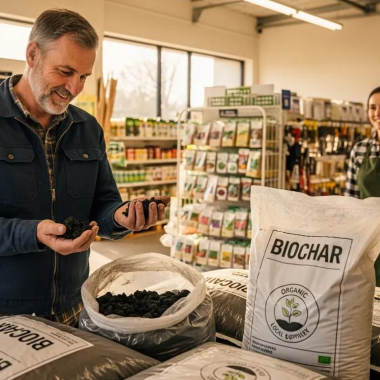
The practical outcomes of responsible biochar application include:
Improved Root Growth: Reduced soil compaction and enhanced aeration allow roots to stretch deep into the profile.
Higher Crop Yields: Increased nutrient and water availability at the root zone maximize plant production.
Erosion Reduction: Stabilized soil structure holds together against Kansas City’s intense seasonal precipitation cycles.
These combined effects make biochar one of the most functionally versatile, organic-compliant soil amendments available to Kansas City growers today.
What Other Organic Amendments Work in Kansas City?
Beyond biochar, Kansas City growers use three main organic options to break up dense clay soils:
Organic Conditioners
Blends like Summer Field Farms Organic Soil Conditioner use coarse pine bark and compost to physically open tight clay, improving drainage and root growth for trees, shrubs, and vegetables.
Natural Gypsum
Products like EcoGEM natural gypsum supply calcium and sulfur. They chemically loosen compacted clay to prevent water pooling and surface crusting without altering soil pH.
Enriched Topsoil Blends
Pre-blended mixes rich in organic matter allow growers to establish a loose, fertile root zone immediately, bypassing the need to laboriously till heavy native clay beds.
What Is the Best Amendment for Kansas City Clay Soil?
Locally made organic soil conditioners such as Summer Field Farms Organic Soil Conditioner that blend pine bark, compost, and trace minerals directly target the structural problems clay soils create. These products improve drainage, aeration, and nutrient availability simultaneously.Because Kansas City clay compacts easily, amendments that physically open the soil matrix deliver the most immediate and lasting results.
Does Gypsum Help Kansas City Farm Fields?
Gypsum sold commercially as calcium sulfate dihydrate functions as both a nutrient source and a structural corrective. It supplies calcium and sulfur, two minerals that support healthy plant growth and vital enzyme function. When applied to Kansas City farm fields and gardens, gypsum also reduces soil runoff and improves the soil’s capacity to absorb nutrients. Farmers facing erosion pressure on sloped ground find gypsum particularly effective at stabilizing the surface.
Enriched topsoil rounds out the toolkit. Kansas City suppliers screen and blend locally sourced sandy or silty loam with compost to produce a finished product suited to a wide range of applications:
Rain
Gardens
Where high-speed drainage performance is critical.
Raised
Beds
Which require consistent, long-term nutrient density.
Rooftop
Installations
Where structural weight and water retention must be perfectly balanced.
Custom Project Blends
Tailored to specific soil targets and individual site constraints.
Each amendment addresses a different soil deficiency. Organic conditioners rebuild physical structure, gypsum corrects mineral imbalances and runoff, and enriched topsoil establishes a productive growing medium from the ground up. Selecting the right combination depends entirely on a site’s existing soil profile and the intended crop or planting system.
How Do NRCS Incentives Apply to Kansas City Growers?
The Natural Resources Conservation Service (NRCS) offers the Soil Carbon Amendment under the Environmental Quality Incentives Program (EQIP), providing direct financial assistance to landholders who apply biochar on farms and forests. Kansas City growers in both Missouri and Kansas fall within the service region where this program operates.
EQIP Code 336 is the specific designation for the Soil Carbon Amendment within the program’s structure. Growers apply under this code to access cost-share funding tied to documented biochar or compost application. The benefits recognized under Code 336 include:
Erosion Reduction
Stabilizing soil structure against heavy runoff and wind loss.
Improved Soil Composition
Increasing microbial activity, aggregate stability, and Cation Exchange Capacity (CEC).
Increased Crop Production
Supporting higher yields through enhanced nutrient and water retention.
These are highly relevant gains for the region. Soil erosion and degraded fertility are persistent challenges across the clay-heavy, row-crop landscapes surrounding the Kansas City metro, making Code 336 a practical financial fit for local operations.
What Is EQIP Code 336 and Why Does It Matter for Biochar?
EQIP Code 336 is the NRCS classification that formally recognizes biochar as an organic soil amendment eligible for federal cost-share funding. This classification matters because it transforms biochar from an experimental input into a program-approved conservation practice, lowering the financial barrier for adoption across working farms and forested parcels.
Where Can Kansas City Growers Get NRCS EQIP Code 336 Guidance?
KCBIOCHAR provides NRCS EQIP Code 336 guidance as part of its service offering. The company serves growers across Kansas, Missouri, Nebraska, and Iowa, positioning Kansas City landholders within its direct support area for navigating program requirements and application documentation.
To streamline the process, KCBIOCHAR provides pre-tested material compliance data that meets strict federal criteria and helps growers coordinate with local USDA Service Centers to secure final cost-share reimbursements.
How Should Kansas City Growers Apply Organic Amendments?
Kansas City growers apply organic soil amendments most effectively by matching the amendment type to the specific soil condition and planting goal. Selecting the right product whether a carbon-based amendment like biochar or a blended conditioner determines how quickly roots establish and how well the soil retains nutrients.
For the best results in heavy local clay, standard application involves spreading a 2-to-3-inch layer of organic matter over the soil surface and thoroughly tilling it into the top 6 inches of the root zone. When applying biochar, it should be pre-blended or “charged” with compost or liquid nutrients before application to prevent it from temporarily absorbing existing soil nutrients away from active plant roots.
What Makes Biochar Different From Other Soil Amendments?
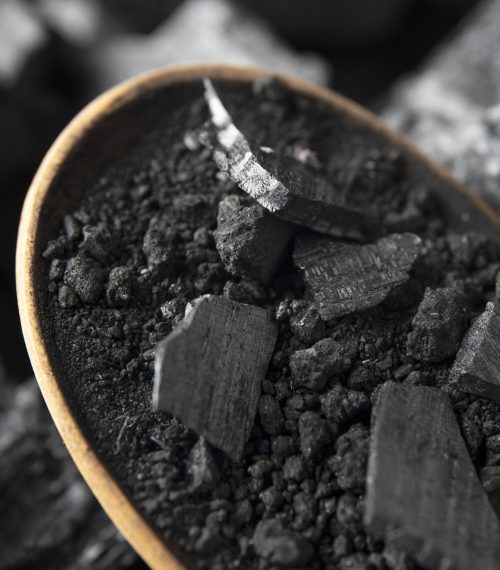
Biochar is an ancient technology, not a modern invention. Produced from organic feedstocks, biochar is a dense, stable, porous, and highly charged carbon material that integrates into soil structure at a molecular level.
Unlike traditional organic amendments like compost or manure, which break down and disappear into the atmosphere as carbon dioxide within a few seasons, biochar remains in the soil structure for hundreds of years. Woody biomass feedstocks deliver the strongest water-retention performance in field applications, making biochar particularly well-suited to Kansas City’s clay-heavy soils that otherwise drain poorly and compact under seasonal rainfall.
Which Plants Benefit Most From Organic Amendment Applications?
Organic soil conditioners formulated from blended materials support a wide range of plantings. Trees, shrubs, vegetables, annuals, and perennials all respond to ready-to-use amendments that improve root development and build plant resilience over time. Stronger root systems translate directly into reduced transplant failure a costly outcome for both residential gardeners and commercial growers.
Application best practices for Kansas City conditions include:
Deep Incorporation
Incorporate amendments into the top 6 to 12 inches of soil before planting, rather than just applying them to the surface.
Scale-Appropriate Formats
Match amendment form to project scale bulk biochar suits large field applications, while bagged conditioners work best for raised beds.
Integration Over Replacement
Layer and mix amendments with existing native clay soil rather than replacing the native profile entirely.
KCBIOCHAR supports regional growers through preorders for full truckloads or partial loads, providing responsive local service for projects of any scale.
Selecting the right organic soil amendment in Kansas City begins with understanding the region’s specific soil challenges and matching them to a product with verified performance data. Biochar derived from local, sustainable woody biomass addresses compaction, nutrient retention, and long-term soil structure in ways that conventional amendments do not. For growers, landscapers, and land managers operating in this region, that distinction translates directly into measurable, lasting results. KCBIOCHAR supplies that solution from right here in Kansas City, Missouri.
FAQ
Based in Kansas City, Missouri, KCBIOCHAR produces biochar from local, sustainable woody biomass, offering a regionally sourced organic amendment tailored for local farms and gardens.
EcoGEM natural gypsum supplies calcium and sulfur. These minerals loosen compacted clay to prevent water pooling and crusting, boosting crop yields without changing soil pH.
Heavy clay compacts easily under rainfall, suffocating roots and locking away nutrients. Organic amendments open up the soil to improve drainage, increase aeration, and unlock nutrient availability.