

Biochar in Kansas City: Benefits, Applications & Local Suppliers
Comprehensive Guide to Benefits, Suppliers, and Applications
What Is Biochar and How Does It Improve Soil Health in Kansas City?
What Are the Key Properties of Biochar Produced by Biomass Pyrolysis?
The key properties of biochar produced by biomass pyrolysis include its high surface area, porosity, and stable carbon content. These characteristics contribute to its effectiveness as a soil amendment. The porous structure of biochar allows for better water retention and aeration, which are crucial for root development. Additionally, its chemical composition, rich in nutrients like potassium and phosphorus, enhances soil fertility and supports plant growth.
How Does Biochar Enhance Soil Fertility and Crop Yields Locally?
Biochar enhances soil fertility by improving nutrient retention and availability. It acts as a sponge, holding onto essential nutrients and preventing leaching, which is particularly beneficial in the sandy soils often found in Kansas City. Studies have shown that the application of biochar can lead to significant increases in crop yields, particularly for vegetables and grains. Local farmers have reported improved growth rates and healthier plants, demonstrating the practical benefits of biochar in agricultural settings.
Indeed, extensive research consistently demonstrates biochar‘s capacity to significantly improve soil health, nutrient retention, and overall crop productivity.
Biochar for Soil Health, Nutrient Retention & Crop Productivity
The application of biochar improves soil health by changing the soil’s biological and physico-chemical characteristics of the soil, such as its structure, cation exchange capacity and microbial biomass carbon. Additionally, biochar produced from low pyrolysis temperatures can enhance nutrient retention in soils and be utilized as a carbon-based fertilizer. The maintenance of an adequate amount of organic matter in soil and a dynamic biogeochemical cycle of essential nutrients are key components of sustainable soil management. Nutrient-enriched biochar-based fertilizers (NEBBF) can be prepared using various nutrient enrichment procedures and have the potential to increase soil fertility and crop productivity.
Biochar as a potential nutrient carrier for agricultural applications, 2025
Who Are the Leading Biochar Suppliers and Producers in Kansas City?
Kansas City is home to several leading biochar suppliers and producers who provide high-quality products tailored to local agricultural needs. These suppliers play a crucial role in making biochar accessible to farmers and gardeners looking to enhance their soil health.
Where Can Farmers Purchase Quality Biochar in Kansas City?
Farmers in Kansas City can purchase quality biochar from various local suppliers, including agricultural co-ops and specialty garden centers. Many of these suppliers offer different types of biochar, catering to specific soil types and crop requirements. Additionally, some suppliers provide online purchasing options, making it easier for farmers to access biochar products.
What Are the Differences Among Local Biochar Types and Sources?
Local biochar types can vary based on the biomass feedstock used in their production, such as wood chips, agricultural residues, or manure. Each type of biochar has unique properties that can affect its performance in soil. For instance, wood-based biochar typically has a higher carbon content and is more stable, while agricultural biochar may offer more nutrients. Understanding these differences helps farmers select the most suitable biochar for their specific soil and crop needs.
What Are the Common Biochar Production Methods Used in Kansas City?
How Does Biomass Pyrolysis Technology Work for Biochar Creation?
Biomass pyrolysis technology involves heating organic materials to high temperatures (typically between 300°C and 700°C) in a low-oxygen environment. This process breaks down the biomass into biochar, bio-oil, and syngas. The biochar produced is then cooled and can be processed for agricultural use. This method is efficient and can utilize a variety of feedstocks, making it a versatile option for biochar production.
What Are the Differences Among Local Biochar Types and Sources?
Local biomass sources for biochar production in Kansas City include agricultural residues, such as corn stover and wheat straw, as well as wood waste from local forestry operations. Utilizing these materials not only reduces waste but also supports local economies by creating a market for agricultural byproducts. This sustainable approach to biomass utilization contributes to the overall environmental benefits of biochar.
How Does Biochar Contribute to Environmental Impact and Carbon Sequestration?
Biochar plays a significant role in environmental sustainability by sequestering carbon and reducing greenhouse gas emissions. When applied to soil, biochar can store carbon for hundreds to thousands of years, effectively mitigating climate change impacts.

What Is the Role of Biochar in Reducing Greenhouse Gas Emissions?
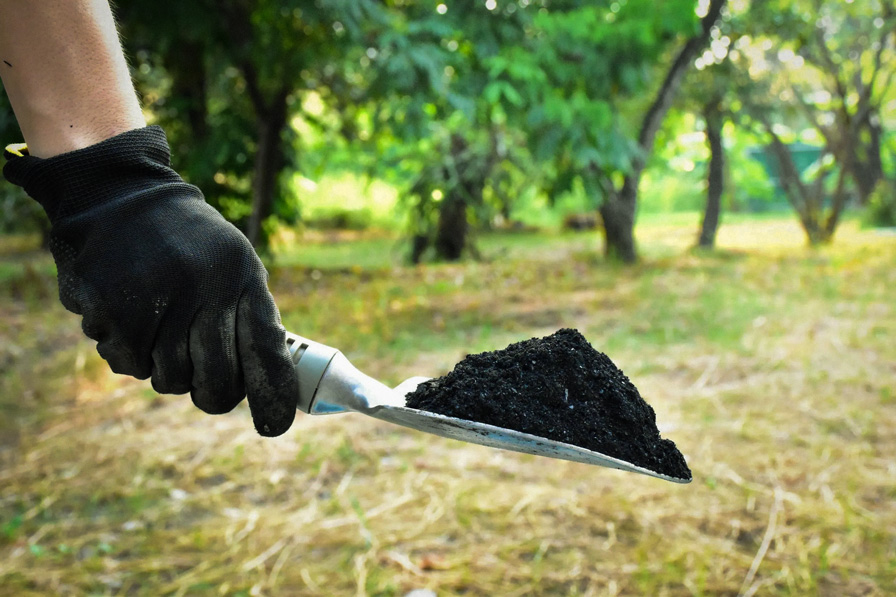
The application of biochar in agriculture can lead to a reduction in greenhouse gas emissions by improving soil health and reducing the need for chemical fertilizers. Healthy soils with biochar can sequester more carbon and release fewer nitrous oxides, a potent greenhouse gas. Research indicates that biochar can significantly lower emissions from agricultural practices, making it a valuable tool in climate change mitigation.
How Does Biochar Support Climate Mitigation Efforts in Kansas City?
In Kansas City, biochar supports climate mitigation efforts by enhancing soil carbon storage and improving agricultural resilience. Local initiatives that promote biochar use in farming practices contribute to broader sustainability goals, such as reducing carbon footprints and promoting eco-friendly agriculture. Community engagement and education about biochar‘s benefits are essential for fostering its adoption among local farmers.
How Biochar Stores Carbon and Cuts Greenhouse Gas Emissions
For Kansas City farmers, applying biochar effectively is crucial to maximizing its benefits. Understanding the best practices for application can lead to improved soil health and crop productivity.
What Are the Recommended Application Rates and Techniques for Local Soils?

How Can Biochar Application Improve Specific Crop Types in Kansas City?
Biochar application can significantly improve the growth of specific crops, such as tomatoes, peppers, and leafy greens, which thrive in nutrient-rich soils. Case studies from local farms have shown that crops treated with biochar exhibit enhanced growth rates, improved disease resistance, and higher yields. Tailoring biochar application to specific crop needs can lead to more sustainable and productive farming practices.
Further research supports these findings, highlighting biochar‘s superior benefits for organic vegetable production.
Biochar Benefits for Organic Vegetable Production
biochar amendments provide benefits superior to those provided by other organic amendments, and research on their use and efficacy in organic vegetable production
… of Biochar and Humus Amendments and Early-Season Insect Netting on Soil Properties, Crop Yield, and Pest Management in Organic Vegetable Production …, 2025
What Are the Latest Market Trends and Case Studies of Biochar Use in Kansas City?
The biochar market in Kansas City is evolving, with increasing interest from farmers and environmentalists alike. Recent research and pilot projects highlight the efficacy of biochar in various agricultural applications.
What Recent Research from 2024-2026 Highlights Biochar Efficacy Locally?
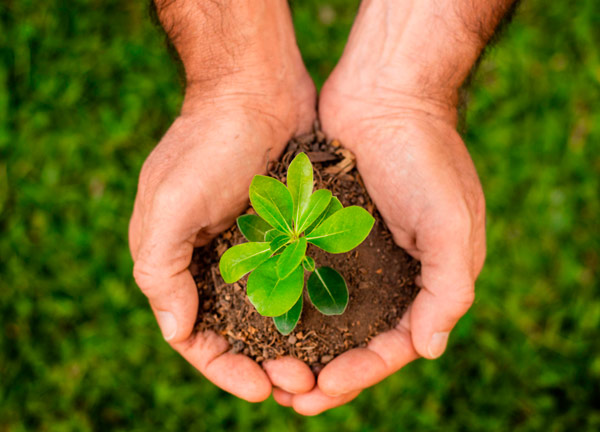
Recent studies conducted within the last five years have demonstrated the positive impacts of biochar on soil health and crop yields in Kansas City. Research findings indicate that biochar not only improves nutrient retention but also enhances microbial activity, leading to healthier soils. These studies provide valuable insights for farmers considering biochar as a soil amendment.
Which Local Pilot Projects Demonstrate Biochar’s Agricultural and Environmental Benefits?
Local pilot projects have showcased the agricultural and environmental benefits of biochar in Kansas City. These initiatives often involve collaborations between universities, agricultural organizations, and local farmers, aiming to demonstrate biochar‘s effectiveness in real-world settings. Success stories from these projects highlight the potential for biochar to transform local agricultural practices and contribute to sustainable farming.
| Supplier | Type of Biochar | Contact Information |
|---|---|---|
| Green Earth Biochar | Wood-based | (555) 123-4567 |
| Kansas City Biochar Co. | Agricultural | (555) 234-5678 |
| Urban Soil Solutions | Mixed feedstock | (555) 345-6789 |