
Affordable Biochar in Kansas City
Where to Buy, Benefits, and Application Guide
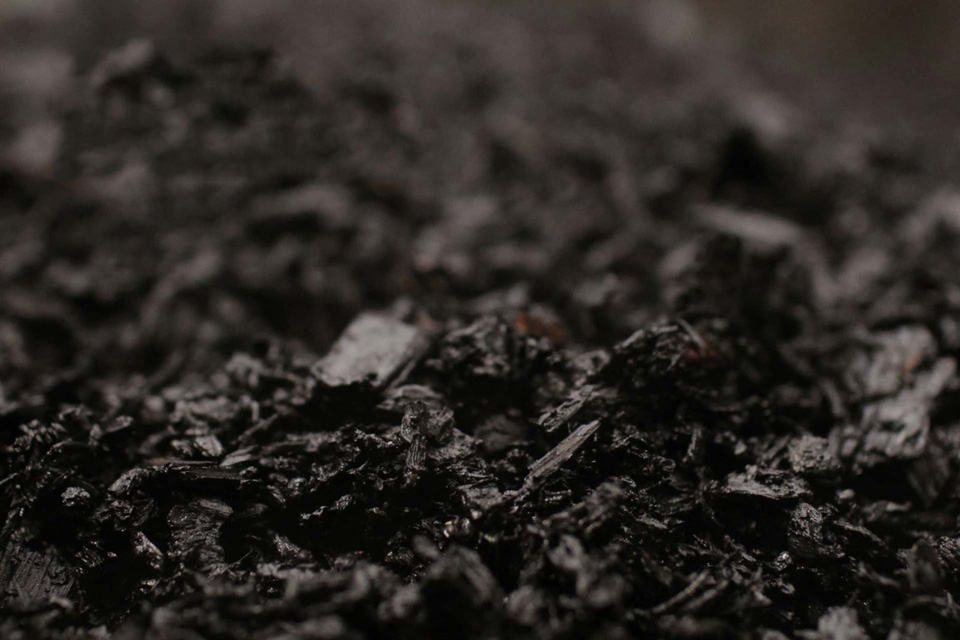
Biochar is a carbon-rich material produced from biomass through pyrolysis, a process that converts organic material into a stable form of carbon. This innovative soil amendment is gaining traction in Kansas City for its numerous benefits, including improved soil health, enhanced water retention, and increased nutrient availability.
In this article, we will explore where to find affordable biochar suppliers in Kansas City, the benefits of using biochar in local gardens, its environmental advantages, production methods, cost considerations, and application techniques. By understanding these aspects, you can make informed decisions about incorporating biochar into your gardening and agricultural practices.
Where Can You Find Affordable Biochar Suppliers in Kansas City?
Finding local suppliers of biochar is essential for those looking to enhance their soil quality without breaking the bank. Kansas City boasts several producers and distributors that offer a variety of biochar products tailored to different gardening needs.
- KC Biochar: Based directly in Kansas City, this manufacturer produces high-quality bulk biochar from locally sourced, sustainable woody biomass. They offer both raw and “charged” biochar, making them a primary choice for large-scale agricultural and landscaping projects in the metro.
- Kansas City Composting: Located in the Belton/KCMO area, they are known for their “biochar-blended” compost. This is often the most cost-effective way to buy biochar locally, as it arrives pre-charged and mixed with nutrient-rich organic matter.
- Soil Service Nursery: A staple for south Kansas City gardeners, they carry bagged biochar products and soil conditioners specifically curated for the heavy clay typical of the region.
- Grass Pad: With multiple locations across Olathe, KCK, and Blue Springs, Grass Pad offers various “carbon-pro” soil amendments and root-boosting products that incorporate biochar technology for local lawns and garden beds.
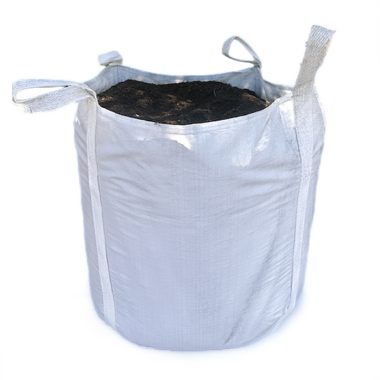
- Urban Worm Company: While they operate largely online, they provide bulk “Super Sack” delivery to the Kansas City area, which is ideal for those needing high volumes for farm or remediation use.
Who Are the Local Biochar Producers and Distributors?
Finding local suppliers of biochar is essential for those looking to enhance their soil quality without breaking the bank. Kansas City boasts several producers and distributors that offer a variety of biochar products tailored to different gardening needs.
- KC Biochar: As of April 2026, KC Biochar operates as a primary local plant operator, transforming regional wood waste into high-quality bulk biochar. They provide both raw biochar (for experienced users who want to charge their own) and charged biochar (pre-loaded with nutrients for immediate use). Their focus on sustainable, locally sourced woody biomass makes them a top choice for reducing the “carbon miles” of your project.
- Missouri Organic Recycling: A staple in the KCMO community, they provide biochar-amended products through their Green Frontier Compost line. This is an ideal solution for those seeking affordable, pre-mixed biochar for horticulture, vineyards, or large-scale field agriculture, as it combines biochar with their professional-grade compost.
- Sequest Wood Waste Solutions: Based in Kansas City, Kansas, this company utilizes specialized mobile carbonizers to convert wood waste into biochar directly on-site. They are a key partner for land clearing and forestry projects looking to turn waste into a valuable soil asset.
- EcoSoil Solutions: While focusing on broader regenerative agronomy, EcoSoil Solutions provides data-driven consulting and biochar-integrated fertility programs. They are specifically suited for commercial farmers in the KC area who need custom-blended soil amendments tailored to specific crop cycles and 2026 soil health metrics.
What Delivery and Pricing Options Are Available Locally?
How Does Biochar Improve Soil Quality in Kansas City Gardens?
Managing Heavy Clay Soils
Much of the Kansas City metro sits on heavy clay that compacts easily. Biochar acts as a physical "wedge," breaking up dense clay particles to improve aeration and prevent the waterlogging common during our wet spring months.
Drought Resilience
Biochar’s microscopic pores act like a sponge, holding up to six times its weight in water. This increased Water Holding Capacity (WHC) allows local gardens to stay hydrated longer during intense July and August heatwaves, reducing the need for constant irrigation.
Nutrient Battery
Biochar has a high Cation Exchange Capacity (CEC), meaning it chemically "grabs" nutrients like nitrogen and phosphorus. Instead of these nutrients washing away into the Missouri River during rainstorms, they are held in the root zone for plants to access as needed.
Microbial Habitat
The structure of biochar provides a "coral reef" for beneficial soil microbes and mycorrhizal fungi, protecting them from temperature swings and providing a stable environment to thrive.
What Are the Soil Fertility and Water Retention Benefits?
How Does Biochar Affect Soil pH and Nutrient Retention?
In the 2026 agricultural landscape, biochar is increasingly used to balance soil chemistry. While it is often described as “neutralizing,” its actual effect depends on your starting soil and the biochar’s feedstock.
- pH Neutralization in Acidic Soils: Most woody biochars have an alkaline pH (typically 7.5 to 9.0). When added to the acidic soils often found in eastern Kansas and parts of Missouri, biochar acts as a “liming agent,” raising the pH and creating a more favorable environment for most garden vegetables.
- Buffering in Alkaline Soils: For the more alkaline clay soils in the metro, biochar provides a “buffering capacity.” It helps stabilize the pH, preventing the wild fluctuations caused by heavy synthetic fertilizer use or extreme weather.
- Cation Exchange Capacity (CEC): Biochar significantly increases the soil‘s CEC. Its negative surface charge acts like a magnet, binding to positively charged nutrients such as Potassium, Calcium , and Magnesium.
- Reducing Leaching: By holding these nutrients in the root zone, biochar prevents them from washing away during KCMO’s heavy spring rains. Research in 2025 and 2026 suggests that biochar-amended soils can see a 15% to 30% reduction in nitrate and phosphorus leaching, directly protecting local watersheds like the Missouri River.
What Are the Environmental Benefits of Using Biochar in Kansas City?
In April 2026, biochar is recognized as a critical tool for meeting Kansas City’s carbon-neutrality goals. Its impact is centered on long-term stability and ecosystem protection:
How Does Biochar Contribute to Carbon Sequestration?
What Role Does Biochar Play in Sustainable Agriculture?
In sustainable agriculture, biochar serves as a multifunctional tool. By integrating biochar into farming practices, local farmers can improve crop resilience and contribute to a more sustainable food system.
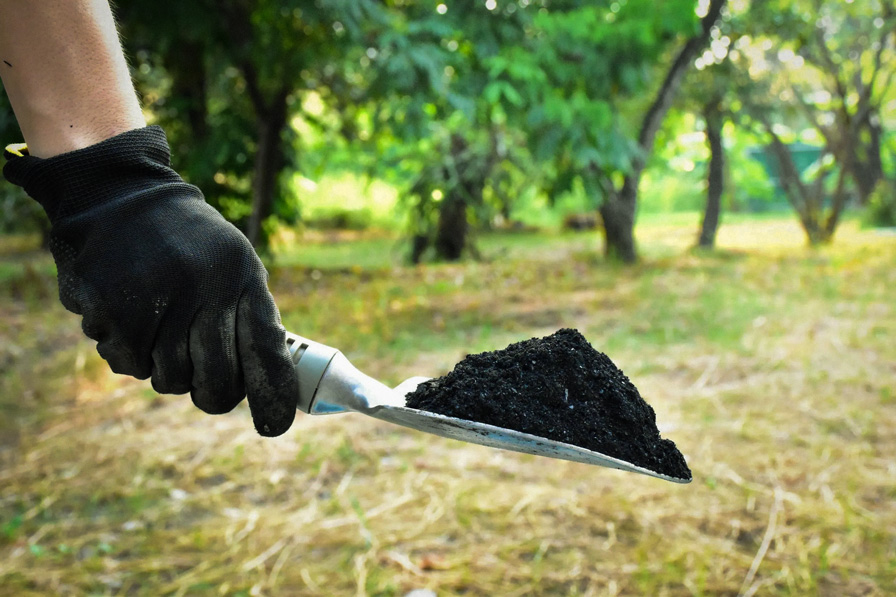
How Is Biochar Produced and Supplied in the Kansas City Area?
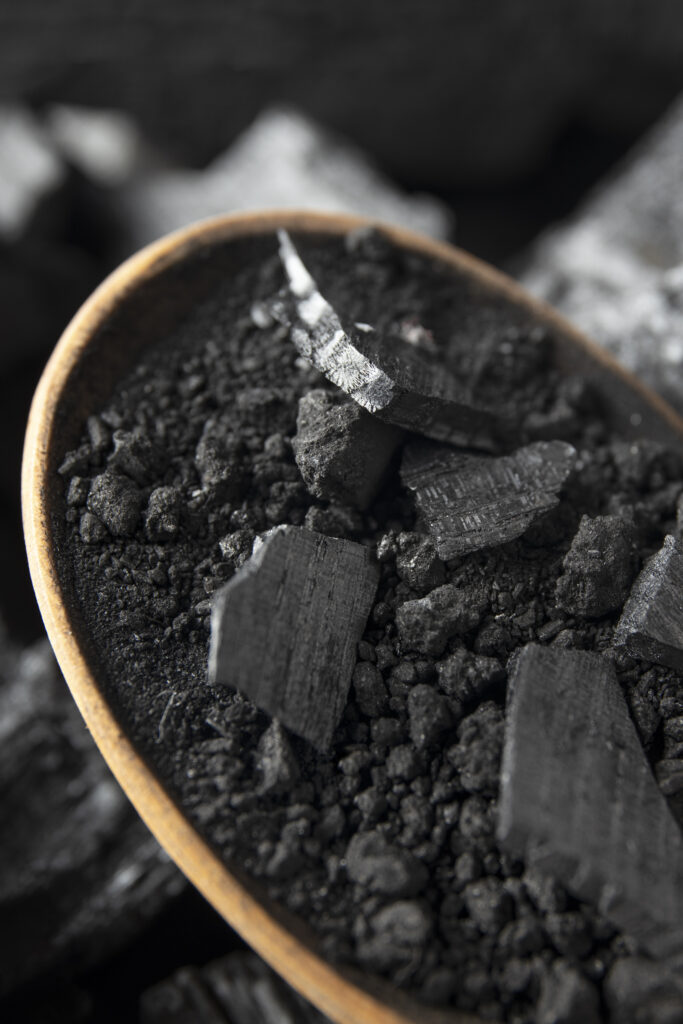
Local manufacturers use pyrolysis heating organic biomass (like forestry residues and urban wood waste) to over 350°C (662°C) in an oxygen-free chamber. This bakes the wood into a stable carbon skeleton rather than burning it.
Most KC-area biochar is sourced from local wood waste that would otherwise be landfilled, supporting the KCMO Climate Action Plan by reducing methane emissions.
Due to high demand in 2026 for carbon-sequestering projects, bulk orders typically require a 4–8 week lead time, while bagged products remain readily available at metro garden centers.
What Are the Common Biochar Production Methods Locally?
1. Slow Pyrolysis (The Gold Standard for Soil)
- Process: Biomass is heated slowly (5–10°C per minute) to a temperature of 350–500°C in a completely oxygen-free environment.
- Outcome: This maximizes biochar yield (up to 35% of the original mass). The resulting biochar has a high Cation Exchange Capacity (CEC) and a smaller specific surface area compared to gasification, making it ideal for holding onto moisture and nutrients in KC garden beds.
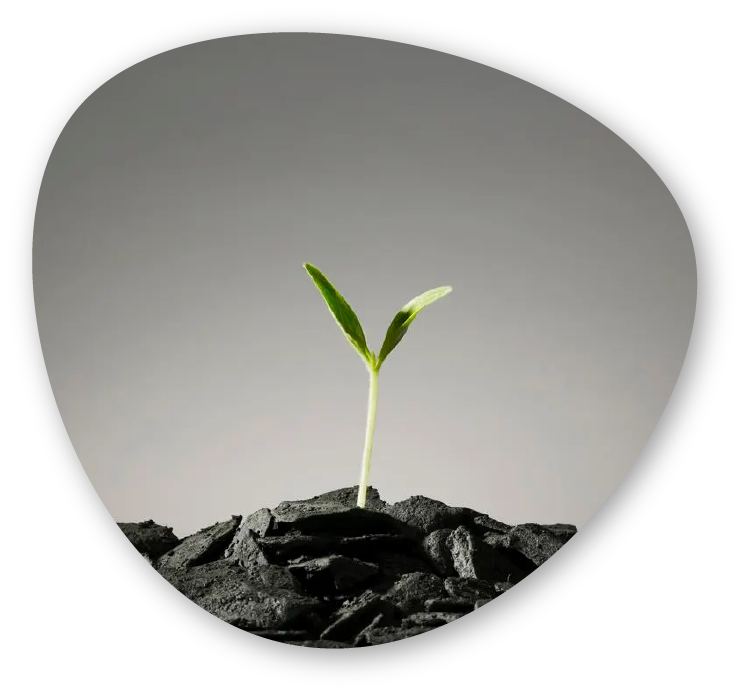
- Woody Biomass: Pallets and forestry residues (provides the most stable carbon).
- Agricultural Waste: Hemp meal and corn stalks.
- Urban Green Waste: Redirected from local landfills to support 2026 circular economy initiatives.
- Process: Biomass is heated to much higher temperatures (700–1,200°C) with a strictly controlled, limited amount of oxygen or steam.
- Outcome: Nearly all organic material is converted into syngas (used for local heat or power). The remaining biochar (approx. 5–10% yield) has a much larger surface area and higher pH. In 2026, this “gasification char” is frequently used for water filtration or industrial remediation rather than general gardening.
Biochar Production: Pyrolysis Methods & Sustainable Fuels
Biomass pyrolysis is a promising renewable sustainable source of fuels and petrochemical substitutes. It may help in compensating the progressive consumption of fossil-fuel reserves. The present article outlines biomass pyrolysis. Various types of biomass used for pyrolysis are encompassed, e.g., wood, agricultural residues, sewage. Categories of pyrolysis are outlined, e.g., flash, fast, and slow.
Biomass pyrolysis: past, present, and future: TYA Fahmy et al., 2020
Which Biomass Sources Are Used for Kansas City Biochar?
What Are Biochar Prices and Purchase Options in Kansas City?
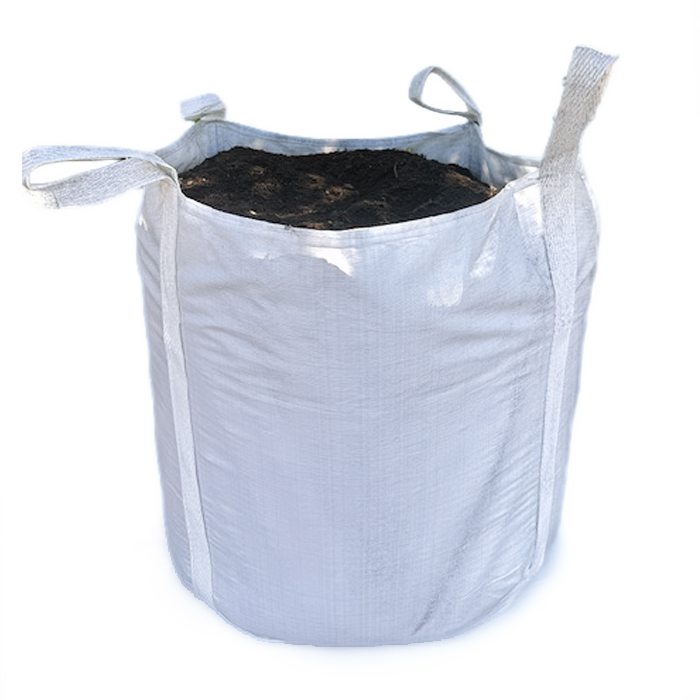
Buying in bulk is the most affordable route. Raw biochar typically ranges from $200 per yard (Mixed) / $250 per yard (Fines or Coarse), while pre-charged cubic yard “Super Sacks” range $250 per yard.
Biochar-compost blends ($117 per yard) are often the best investment for local soils, as they arrive ready for immediate application.
KC Biochar offers convenient self-pickup at their KCMO location. For delivery options and pricing within the Kansas City area, contact us directly to confirm availability.
This is the primary source for KC biochar. It includes wood chips from municipal tree trimming, storm debris, and land clearing. Hardwoods like Oak and Hickory, native to the Missouri River Valley, produce a high-density biochar with superior structural integrity for soil aeration.
With Kansas and Missouri being agricultural hubs, residues like corn stover, wheat straw, and sunflower stalks are increasingly pyrolyzed. While these produce a more “fragile” char than wood, they are excellent for rapid nutrient cycling in commercial farm soils.
Local manufacturers often source untreated pallets and construction offcuts. Sourcing these within the I-435 loop keeps transportation costs low and ensures the final product is free from chemical contaminants.
Projects targeting the removal of invasive Eastern Red Cedar across the Flint Hills and surrounding KC areas provide a massive, sustainable feedstock. Converting these trees into biochar helps restore native grasslands while creating a carbon-negative product.
What Are the Price Ranges for Bulk and Retail Biochar?
The price of biochar in Kansas City varies based on the supplier and the type of biochar. Retail prices typically range from $35 per 5-gallon bucket, while bulk purchases can lower the cost to around $117 to $250 per yard depending on the blend. Many suppliers offer discounts for larger orders, making it more economical for gardeners and farmers.
| Supplier | Price Range (per cu. yd.) | Product Options | Delivery | Local Support |
|---|---|---|---|---|
| ⭐ Kansas City Biochar (KC Biochar — Local Producer) |
$117 – $250 | Raw, Charged, Bulk Super Sacks, Custom Blends | Contact for local delivery options | Yes — Direct local expert support |
| Other Local Suppliers | $200 – $300 | Raw biochar | Local delivery available | Limited |
| National Online Suppliers | $250 – $400+ | Limited options | Shipping fees apply | No |
Are There Cost Comparisons Between Local Suppliers?
How Do You Apply Biochar to Kansas City Soils for Best Results?
What Are the Step-by-Step Application Techniques?
Are There Local Case Studies or Testimonials on Biochar Use?