

Biochar for Agriculture: Kansas City's Soil Solution
Biochar is gaining traction across Kansas City as a proven soil amendment that improves fertility, water retention, and nutrient availability. Produced through the high-temperature pyrolysis of sustainably sourced woody biomass, it converts organic waste into a stable, porous carbon matrix that resists rapid decomposition.
KC Biochar supplies raw, charged, and compost-blended bulk biochar products to regional farmers, landscapers, and land managers. Available in loose bulk loads or 2-cubic-yard super sacks, these local materials give growers a practical tool to break up tight clay structures, improve soil aeration, and build long-term, carbon-rich fertility across the Midwest.
Key Takeaways
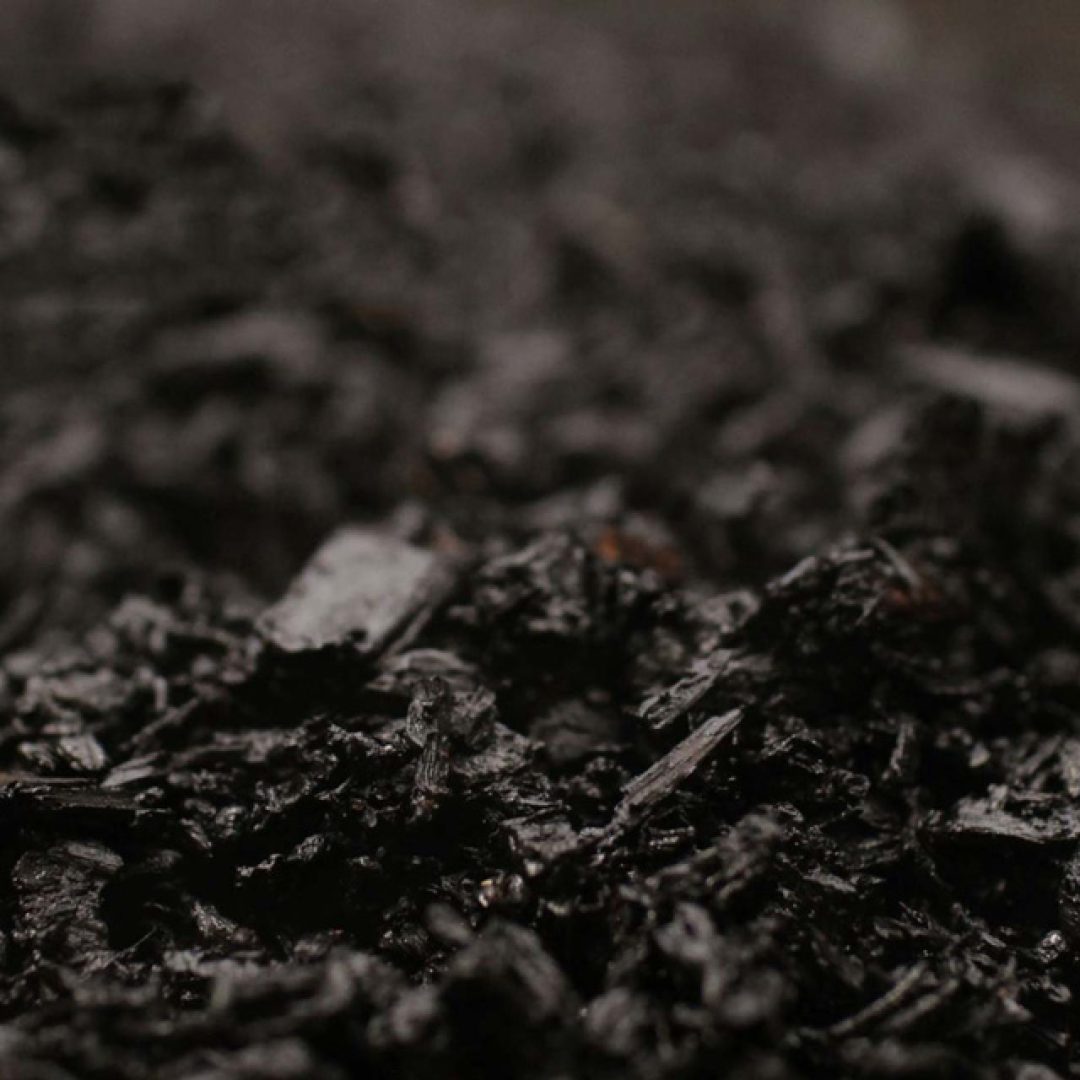
Local
Biochar
Solutions
KC Biochar provides bulk biochar products and technical support tailored to the specific needs of Kansas City farmers, landscapers, and growers.
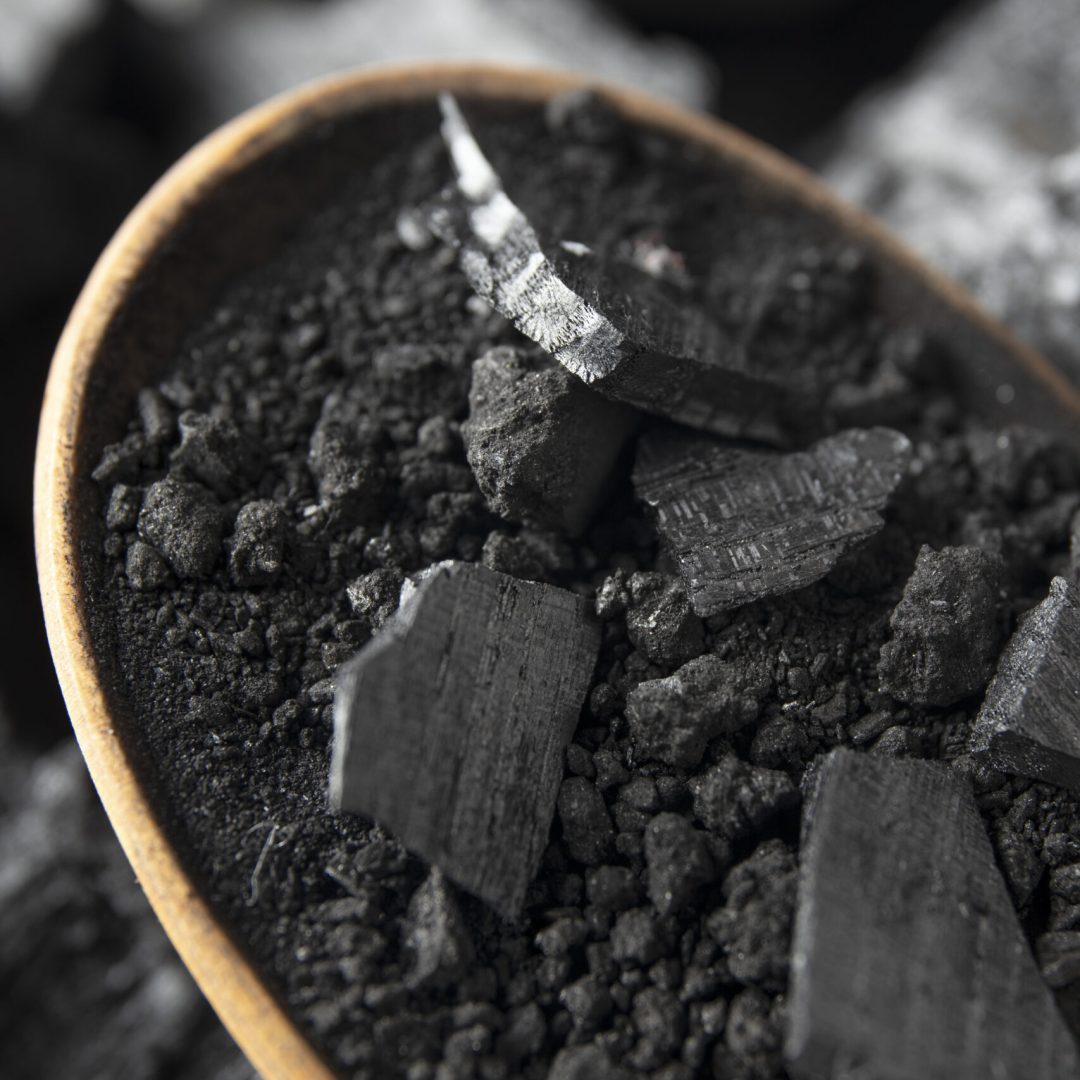
Early
Local
Testing
Practical field applications and production techniques were tested locally as far back as 2010 during a youth project at the Kansas City Community Farm.
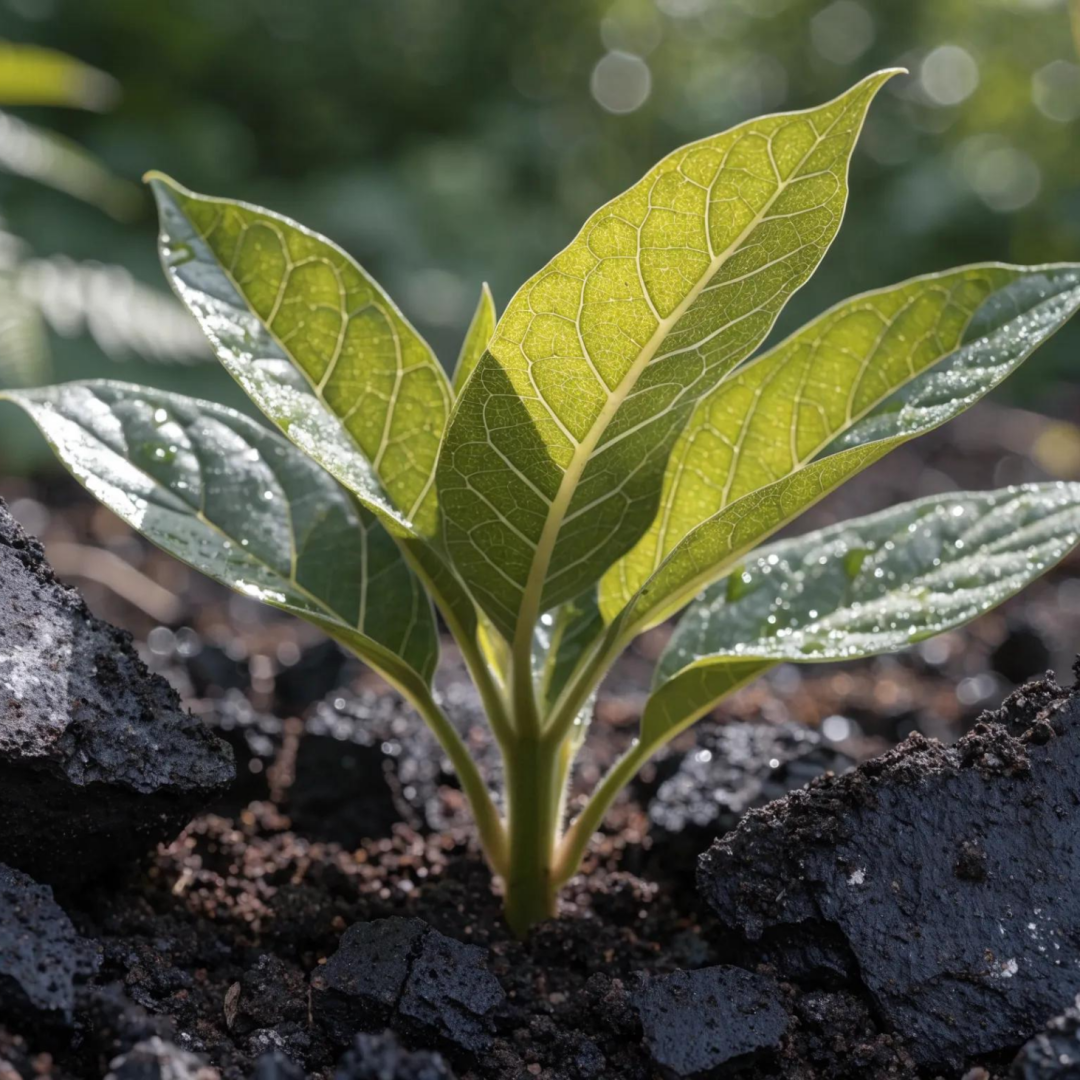
Core
Soil
Benefits
Biochar acts as a permanent soil amendment that improves soil structure, enhances nutrient and water retention, and reduces erosion for sustainable agriculture.
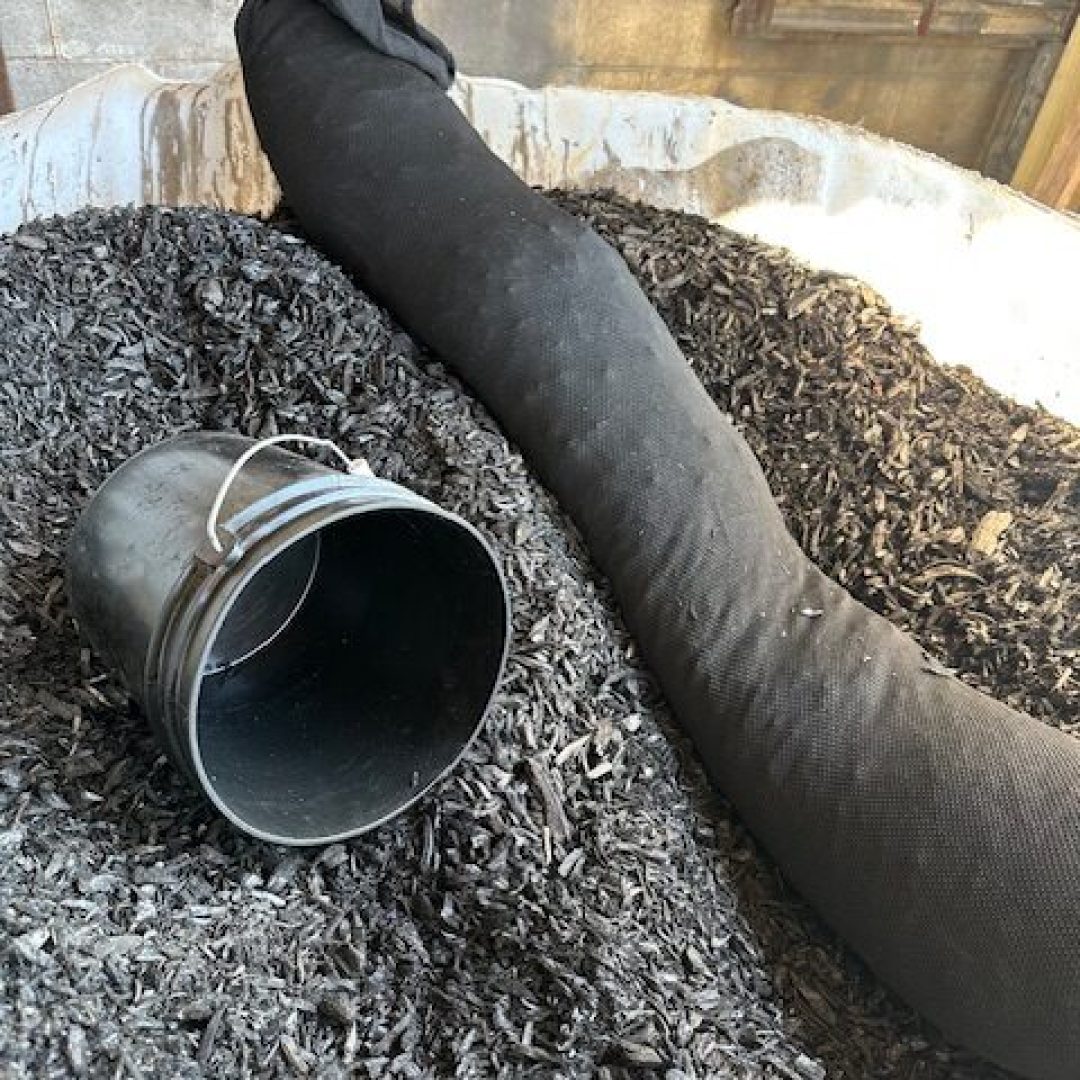
Regional
Agricultural
Adoption
Independent Missouri producers, such as Nick Cuchetti on his Luebbering farm, actively integrate biochar into their operations as a climate-friendly soil management practice.
What Is Biochar and Why Does Kansas City Agriculture Need It?
Biochar is a carbon-rich material produced through pyrolysis a thermal decomposition process that heats organic matter, such as woody biomass, in a low- or zero-oxygen environment. Restricting oxygen prevents standard combustion (burning to ash), leaving behind a stable, highly porous carbon skeleton that resists decay for centuries.
KC Biochar produces its materials using 100% recyclable wood feedstock heated to over 350°C in oxygen-deprived kilns. This controlled process yields a dense, structural soil amendment with two critical physical features:
Micro-Porous
Architecture
Creates millions of tiny pores that hold onto soil moisture during late-summer droughts while providing a protected sanctuary for beneficial soil microbes.
High Cation Exchange
Capacity (CEC)
Acts like a chemical magnet to lock in essential nitrogen and trace minerals, preventing them from leaching away during heavy rainstorms.
How Does Biochar's Structure Improve Soil?
Biochar’s hollow, porous architecture makes the material uniquely suited for soil improvement. Those microscopic pores create habitat for beneficial microbes, increase nitrogen retention, and support stronger root development all of which translate to higher crop yields for Kansas City farmers. By physically propping open heavy clay, this stable carbon frame improves soil aeration and water infiltration while keeping essential nutrients right in the active root zone.
Does Biochar Support Carbon Storage on Kansas City Farms?
Biochar can help store stable carbon in agricultural soils over the long term while also supporting broader soil health goals.
For Kansas City growers, it may fit well within conservation planning through NRCS programs such as EQIP Code 336 Soil Carbon Amendment.
Key Agronomic & Environmental Benefits at a Glance
Biochar’s hollow, porous architecture makes the material uniquely suited for soil improvement. Those microscopic pores create habitat for beneficial microbes, increase nitrogen retention, and support stronger root development all of which translate to higher crop yields for Kansas City farmers. By physically propping open heavy clay, this stable carbon frame improves soil aeration and water infiltration while keeping essential nutrients right in the active root zone.
Improved Soil Biology
Creates a protected micro-habitat that enhances microbial composition across the soil profile.
Nutrient Stabilization
Increases nitrogen retention to ensure sustained plant nutrition and reduce fertilizer leaching.
Enhanced Plant Growth
Promotes deeper root growth and higher overall crop yield potential in heavy clay soils.
Permanent Sequestration
Locks atmospheric carbon into the soil matrix for long-term climate-smart land management.
How Does KC Biochar's Agricultural Product Line Perform?
KC Biochar’s agricultural product line is built around three core formats raw, charged, and bulk engineered to address the full spectrum of Midwest soil health, crop fertility, and site remediation needs.
By processing locally redirected, sustainable wood waste through high-temperature pyrolysis, the company transforms discarded biomass into a high-grade, permanent soil amendment.
1. Raw Biochar
Performance
Serves as a versatile foundation for experienced growers, farmers, and lawn care professionals who prefer to inoculate the material with custom nutrient blends, compost teas, or liquid fertilizers.
Composition
100% pure, uninoculated carbon matrix.
Primary Use
Physical soil structure improvement, long-term water retention, pest/disease resistance, and custom grower-designed inoculation strategies.
2. Charged Biochar
Performance
Pre-populates the carbon pores with beneficial soil microbes and essential nutrients before soil application. This eliminates the temporary “nutrient lag” that occurs when raw biochar absorbs existing soil nitrogen away from young roots.
Composition
Raw biochar pre-blended and pre-activated with nutrient-rich compost and organic matter.
Primary Use
Immediate field application, forest floor rejuvenation, soil remediation, and immediate crop root establishment.
3. Bulk Options & Logistics Formats
Performance
Engineered for commercial-scale deployment across large acreage, agricultural fields, building sites, and municipal landscaping.
Composition
Coarse or fine biochar particles, as well as 20% biochar-to-compost blends.
Logistics & Delivery
Available in 5-gallon buckets for small gardens, 2-cubic-yard super sacks for job sites, and partial or full dump-truck loads for extensive farm fields.
What Types of Biochar Products Does KC Biochar Offer?
KC Biochar structures its product lineup around three core formats designed for various application scales and soil management goals:
Raw Biochar: Unactivated, 100% pure carbon matrix. It enhances the soil’s physical, chemical, and biological properties, boosts water retention, absorbs nutrients, and houses vital microorganisms that drive long-term fertility.
Charged Biochar: Pre-loaded with compost, essential organic nutrients, and active microbes for immediate soil integration without drawing existing nitrogen away from young roots.
Bulk Biochar: Available in 2-cubic-yard super sacks or full truckload quantities, serving commercial agricultural operations, soil blenders, and municipal projects across Kansas, Missouri, Nebraska, and Iowa.
Each format is 100% pure and fully safe for use in both organic and conventional farming operations. This dual compatibility removes regulatory and operational barriers for producers managing mixed-certification land.
Is Biochar for Agriculture Effective in Kansas City's Soil Conditions?
Yes, biochar is exceptionally effective in Kansas City’s native soil conditions. The metro area is dominated by heavy, dense clay that compacts easily under rainfall, creating a dual challenge: poor internal drainage during wet springs and severe cracking and moisture loss during dry late-summer cycles.
Biochar addresses these challenges by upgrading the soil across three distinct categories:
Physical Structure
The microscopic, graphitic framework of biochar physically wedges between tight clay platelets. This shatters heavy compaction, permanently increasing aeration and creating deep channels for water infiltration. During dry spells, its porous surface acts as a subterranean sponge, holding up to six times its weight in water to keep root zones hydrated.
Chemical Nutrient Availability
Native clay often locks nutrients away or lets applied fertilizers leach out during heavy rainfall. Biochar’s high Cation Exchange Capacity (CEC) acts like a chemical magnet. It binds to essential positively charged nutrients such as nitrogen, potassium, and calcium and slowly releases them directly to active crop roots.
Biological Microbial Habitat
Raw clay lacks the airflow and pore space needed for a diverse soil microbiome. The millions of microscopic chambers inside biochar provide a protected sanctuary where beneficial bacteria and mycorrhizal fungi can thrive, protected from weather fluctuations and heavy machinery pressure.
By simultaneously improving drainage, nutrient retention, and microbial activity, biochar delivers measurable, multi-year improvements to root-zone health for both large-scale row-crop operations and intensive urban market gardens across the region.
How Do Kansas City Farmers Access NRCS Funding and Get Started?
Kansas City-area farmers access federal funding for biochar through the Natural Resources Conservation Service (NRCS) Environmental Quality Incentives Program (EQIP) under Soil Carbon Amendment Code 336. This program provides direct financial cost-share assistance to producers who incorporate lab-tested biochar into agricultural lands and forest floors.
Step 1
Verify Producer & Land Eligibility
Establish your farm profile with your local USDA Farm Service Agency (FSA) and NRCS county office. Ensure your land complies with highly erodible land and wetland regulations, and confirm that your Adjusted Gross Income (AGI) falls under the federal threshold.
Step 2
Develop a Conservation Plan
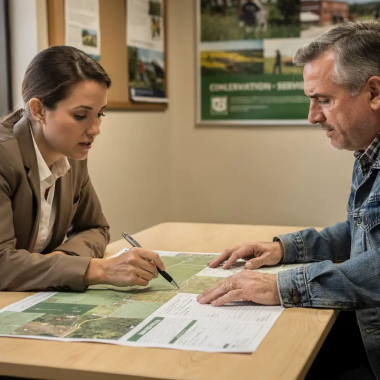
Work with an NRCS conservation planner to conduct a baseline soil assessment. The planner will document site resource concerns—such as heavy clay compaction, erosion, or degraded organic matter—and write Conservation Practice Standard 336 into your official farm plan.
Step 3
Source Lab-Certified Biochar
Select an approved carbon amendment. NRCS Code 336 mandates that applied biochar undergo specific physical and chemical laboratory testing. KC Biochar provides pre-tested, certified raw and charged biochar materials along with compliance documentation to meet federal criteria.
Step 3
Source Lab-Certified Biochar
Select an approved carbon amendment. NRCS Code 336 mandates that applied biochar undergo specific physical and chemical laboratory testing. KC Biochar provides pre-tested, certified raw and charged biochar materials along with compliance documentation to meet federal criteria.
Step 5
Certification & Reimbursement
Submit your photos, application logs, and purchase receipts to your local NRCS agent. Once the planner verifies the completed practice against Code 336 specifications, the USDA processes your cost-share reimbursement payment.
Local Support: KC Biochar assists regional producers across Missouri and Kansas at every phase from calculating application rates and providing certified lab analysis to delivering bulk orders directly to the field.
What Does NRCS EQIP Code 336 Cover for Biochar Applications?
Under the Environmental Quality Incentives Program (EQIP), Conservation Practice Standard (CPS) Code 336: Soil Carbon Amendment provides financial cost-share reimbursements to agricultural producers who apply lab-tested carbon materials specifically biochar and compost to improve soil health.
Key Costs and Activities Covered Under Code 336
Material
Purchasing
Financial assistance offsets the direct cost of purchasing eligible raw or pre-charged biochar from certified producers.
Soil Testing and
Baseline Analysis
Reimbursement covers required pre-application soil testing including pH, organic matter, cation exchange capacity (CEC), and nutrient levels conducted by accredited laboratories.
Freight and
Delivery
Cost-share formulas factor in the transportation costs required to haul bulk biochar materials to the farm site.
Field Application & Incorporation
Covers operational expenses associated with spreading the material across target acreage and tilling or layering it into the root zone.
Technical Service Provider (TSP) Fees
Supports planning costs if working with a certified conservation specialist to design the farm’s soil amendment strategy.
What Results Can Kansas City Farmers Expect After Application?
Agricultural operations that work with KC Biochar gain measurable improvements across several performance indicators:
Crop Yields
Documented gains in agricultural productivity and root biomass development.
Water Retention
Improved soil moisture-holding capacity, helping plants resist late-summer drought stress.
Nutrient Retention
Significantly reduced leaching of applied fertilizers and nitrogen inputs.
Carbon Sequestration
Long-term, stable carbon storage in the soil profile that persists for hundreds of years.
KC Biochar offers raw, charged, and bulk product options to match the scale and soil conditions of each Kansas City operation. Farmers ready to start should contact KC Biochar directly to discuss product specifications and EQIP Code 336 eligibility.
Biochar represents a substantive approach to agricultural soil enhancement, offering measurable improvements in water retention, nutrient availability, and carbon sequestration. Kansas City’s local production capacity positions regional growers to access this proven amendment without extended supply chains, enabling direct implementation of soil health strategies. By integrating biochar into existing agricultural practices, operators optimize both immediate productivity and long-term soil resilience establishing a foundation for sustainable land management.
FAQ
KC Biochar produces biochar from 100% recyclable wood feedstock, heated to over 350°C in an oxygen-starved environment through a process called pyrolysis.
Biochar’s porous structure creates a habitat for beneficial microbes, increases nitrogen retention, and supports stronger root development all of which drive higher crop yields in regional soils.
KC Biochar offers raw, charged, and bulk biochar formats, with bulk options available for preorder in truckload or partial-load quantities across Kansas, Missouri, Nebraska, and Iowa.