

Charged Biochar for Sale in Kansas City
Benefits, Applications, and NRCS Program Guide
Charged Biochar for Sale in Kansas City
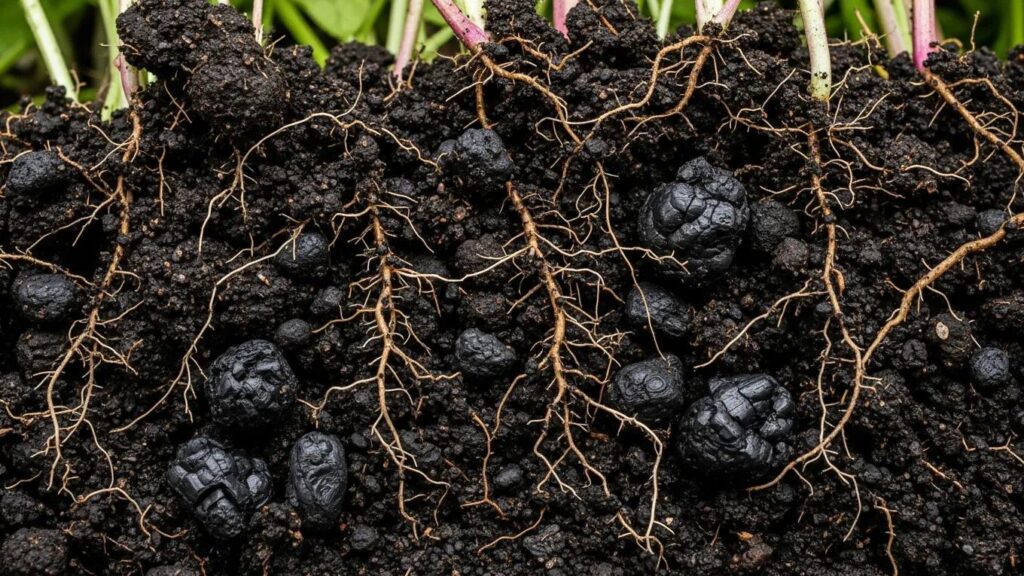
Charged biochar is a highly porous, carbon-rich soil amendment synthesized through the controlled pyrolysis of organic biomass. This specialized thermal process locks in a stable carbon structure that, when pre-activated ("charged") with organic nutrients and beneficial microbes, becomes an incredibly efficient delivery system for plant health.
In the Kansas City metro, the availability of premium charged biochar is growing. Local suppliers like KC Biochar provide high-quality, regionally tailored products designed specifically to break up heavy clay soils, lock in moisture, and prevent nutrient leaching. This increased local accessibility helps area gardeners, landscapers, and commercial farmers achieve higher crop yields and healthier plants through sustainable, climate-smart practices.
Overview
Benefits of Charged Biochar
- Soil Health & Structure Improvement: It physically breaks up heavy, compacted Kansas City clay, increasing aeration and creating an optimal, loose environment for robust root penetration and plant growth.
- Dramatically Increased Water Retention: Its highly porous nature allows the soil to act like a sponge, holding up to six times its weight in water. This keeps moisture in the root zone longer, which is crucial for keeping plants alive during hot, dry summer spells.
- Optimized Nutrient Availability: Because it is pre-charged, it serves as an active nutrient carrier. Its high Cation Exchange Capacity (CEC) tightly holds onto vital macro-nutrients (like nitrogen, phosphorus, and potassium), preventing them from washing away during heavy rains while keeping them readily available to plant roots.
- Permanent Carbon Sequestration: Biochar is a highly stable form of carbon that resists decomposition. By locking carbon safely in the ground for hundreds of years, its widespread application directly contributes to climate change mitigation and climate-smart farming.
Mechanisms of Biochar for Soil Health Improvement
A key physical feature of most biochars is their highly porous structure and large surface area. This structure can provide refugia for beneficial soil micro-organisms such as mycorrhizae and bacteria, and influences the binding of important nutritive cations and anions. This binding can enhance the availability of macro-nutrients such as N and P. Other biochar soil changes include alkalisation of soil pH and increases in electrical conductivity (EC) and cation exchange capacity (CEC).Potential mechanisms for achieving agricultural benefits from biochar application to temperate soils: a review, 2010
charged biochar applications
Charged biochar finds applications across a wide range of fields, serving as a highly versatile tool for anyone looking to build climate-resilient soil and maintain sustainable land management practices:
Gardening and Commercial Landscaping
Agriculture & Production Farming
Applied at a larger field scale, it optimizes crop yields and builds long-term soil resilience. By locking in nutrients, it reduces a farm’s dependency on synthetic fertilizers and shields crops against extreme weather variations.
Environmental Remediation
KC Biochar in Kansas City
Pricing
| Type of Biochar | Price per Yard | Composition & Common Applications |
|---|---|---|
| Standard Blend | $30 | Raw biochar balanced with a basic organic nutrient starter. |
| Enhanced Nutrient Blend | $80 | Loaded with rich compost and targeted macro-nutrients. |
| Premium Organic Mix | $150 | Inoculated with premium worm castings, microbes, and organic matter for sensitive crops. |
NRCS Program Guide
How Much Charged Biochar Do You Need?
To achieve the best results and meet technical compliance for local conservation programs, it is important to apply the correct volume based on your specific land-use goals:
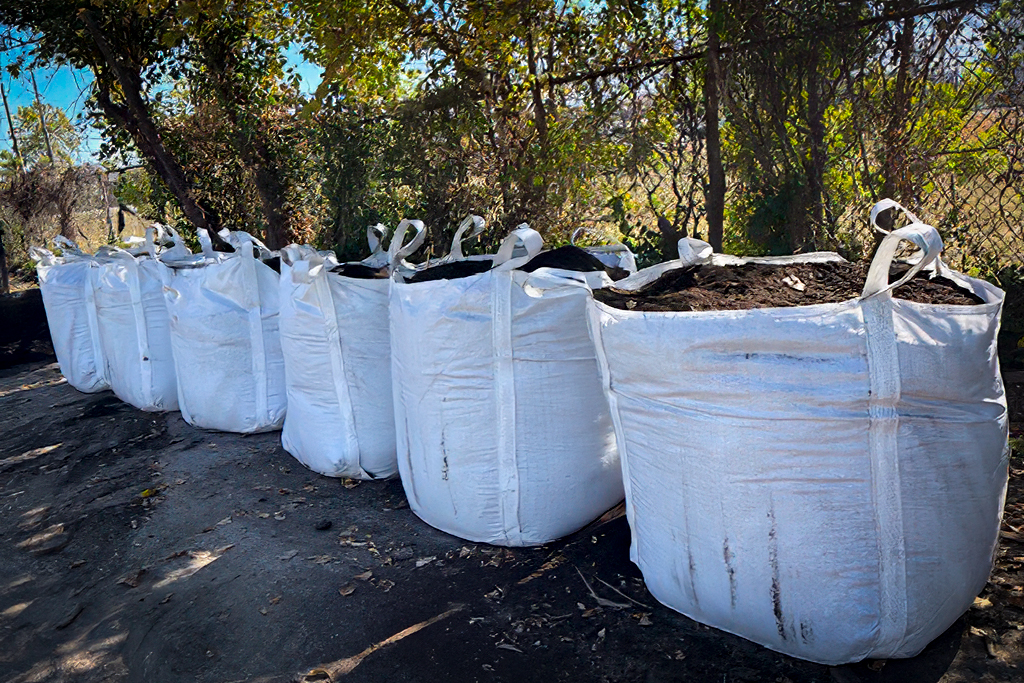
- Commercial Row Crops & Broad-Acre Farming:Plan for 5 to 10 tons per acre (roughly 15 to 30 cubic yards). This should be broadcast evenly and incorporated into the top 4 to 6 inches of soil during primary tillage or field preparation.
- Gardening & Landscaping Beds: Use a 10% to 20% volumetric blend. This translates to mixing 1 to 2 inches of charged biochar evenly into your top 6 inches of existing soil or amendment backfill.
- Turf Top-Dressing & Home Lawns: Apply a 1/4-inch layer of finely screened charged biochar across the surface immediately following core aeration, allowing the particles to work deep into the root zone.
Choosing the Right Biochar Particle Size for Your Project
- Fine Mesh & Powders (Less than 2mm): Best for Turf Top-Dressing, Hydroseeding, and Liquid Slurries. Fine particles integrate rapidly into root zones without disrupting turf management machinery. They are also ideal for potting mixes and root-dipping fruit trees or specialty crops.
- Mid-Sized Granules (2mm to 6mm): Best for Commercial Row Crops, No-Till Farming, and Garden Beds. This versatile size blends smoothly with traditional compost, dry organic fertilizers, and manure spreads. It is heavy enough to resist wind drift when applied with broadcast or lime spreaders.
- Coarse Chunks (6mm to 20mm+): Best for Urban Landscaping, Tree Planting Pits, and Stormwater Filtration. Larger pieces create massive physical pore structures, providing excellent aeration for compacted urban clays and acting as permanent drainage wedges in bioswales and rain gardens.
By selecting the appropriate sizing, you ensure your application equipment operates efficiently while maximizing your material’s surface area.
How to Apply Charged Biochar ?
A Step-by-Step Guide
- Step 1: Time Your Application: The best windows for application are early spring (before planting) or late fall (during post-harvest field preparation or bed winterization). This allows the biochar matrix to settle into the soil biology ahead of peak growing cycles.
- Step 2: Broadcast the Material: Use standard agricultural machinery or landscaping tools to spread the material evenly. For fields, use a lime or manure spreader; for lawns, use a drop spreader; and for gardens, apply it evenly by hand or shovel over your target area.
- Step 3: Incorporate into the Root Zone: For crops and garden beds, till, disk, or turn the charged biochar into the top 4 to 6 inches of your soil layout. Because biochar is lightweight, incorporating it physically protects it from wind drift and heavy rain runoff.
- Step 4: Top-Dress for No-Till or Established Turf: If you practice no-till farming or are treating an established lawn, apply the material directly as a top-dressing. For lawns, do this immediately after core aeration so the particles can fall directly into the root holes. Water thoroughly after application to wash the nutrients deep into the turf profile.