

Organic Soil Conditioner: Boost Your Kansas City Garden
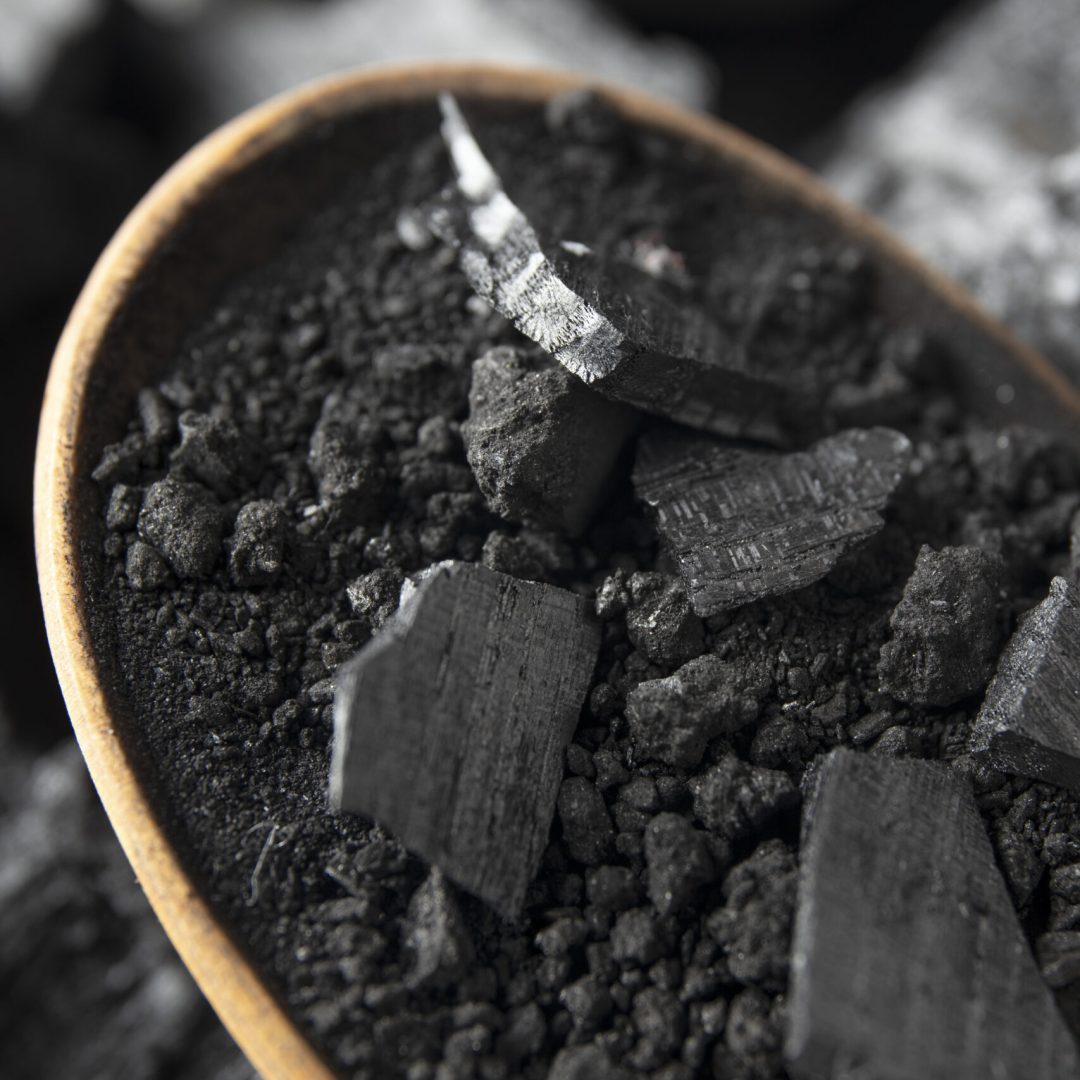
Biochar, a carbon-rich product of high-temperature pyrolysis, can support soil fertility and soil-health goals by transforming the physical, chemical, and biological structure of degraded land. In Kansas City where native soils are heavily dominated by dense, compaction-prone clay farmers, urban growers, and land managers apply locally sourced woody-biomass biochar to break up tight soil structures, increase water infiltration, and maximize nutrient availability. Its micro-porous architecture acts like a subterranean sponge, supporting moisture retention in the root zone to protect crops during late-summer Midwest droughts while helping reduce nutrient leaching of costly nitrogen and phosphorus fertilizers into regional watersheds.
Furthermore, biochar serves as a porous habitat that can support beneficial soil microorganisms, boosting microbial activity that drives long-term organic matter development and healthier root systems. Sourced from sustainable local forestry and urban wood waste, bulk biochar restores depleted agricultural acreage, improves stormwater management, and provides regional producers with a permanent, climate-smart tool for long-term yield stability and support long-term soil-management goals.
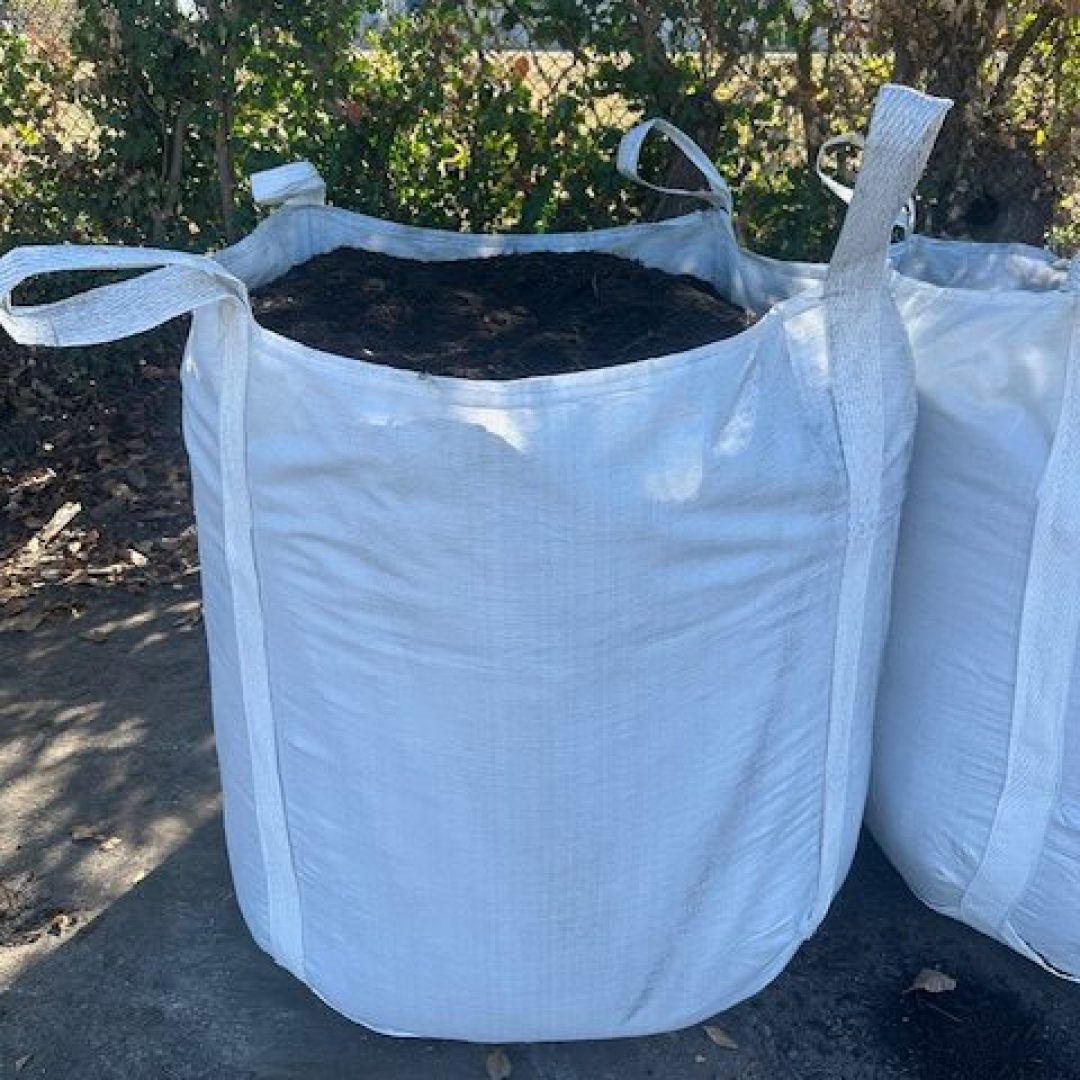
Physical Structure
Coarse pine bark and rigid biochar granules physically wedge between compacted clay platelets, permanently opening vital macro-pore channels that allow oxygen, water, and expanding root hairs to penetrate deeply without obstruction.
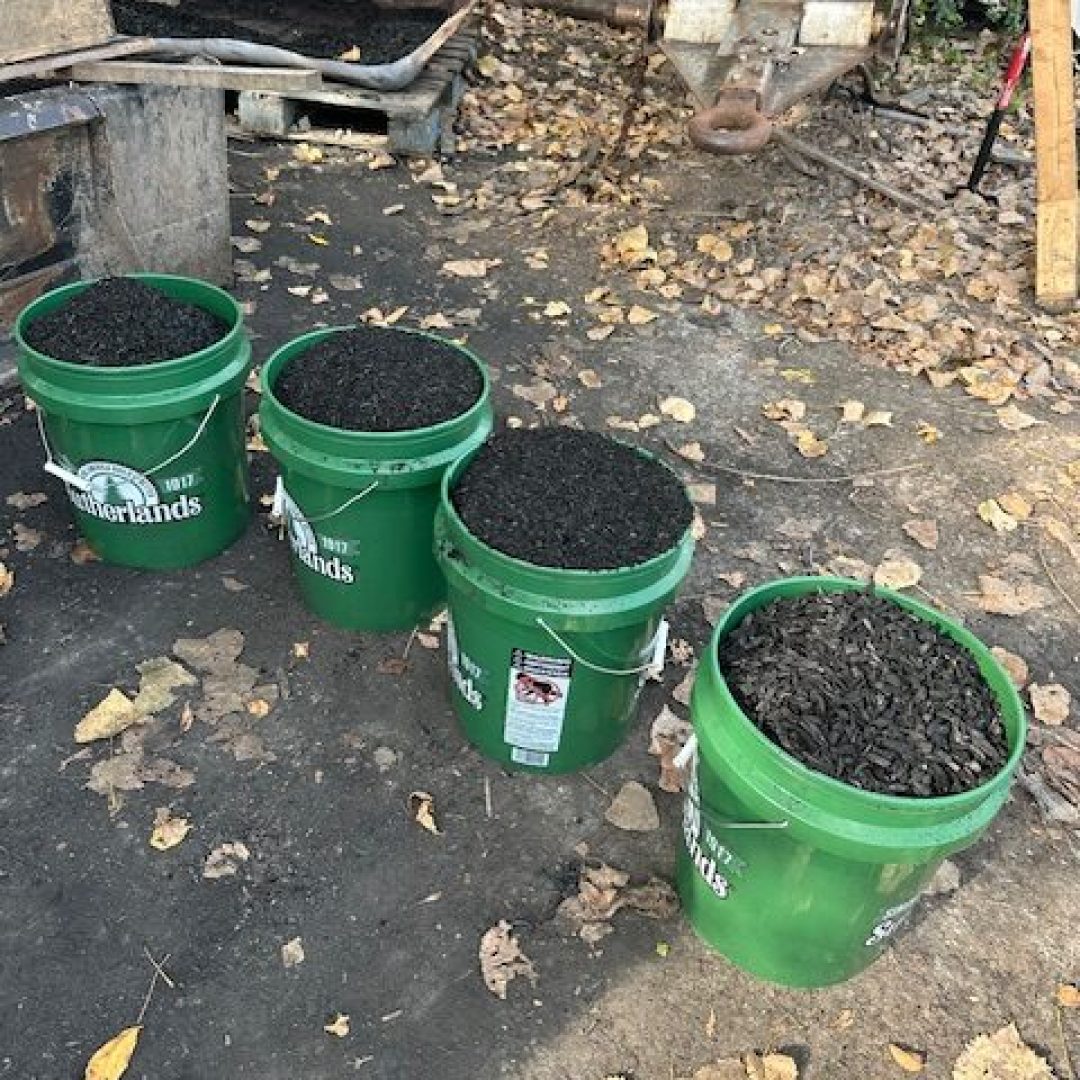
Chemical Balance
The exceptionally high Cation Exchange Capacity (CEC) of biochar, combined with organic trace minerals, buffers native soil pH and chemically anchors essential macronutrients like nitrogen, phosphorus, and potassium so they remain bioavailable rather than leaching away after heavy rain.
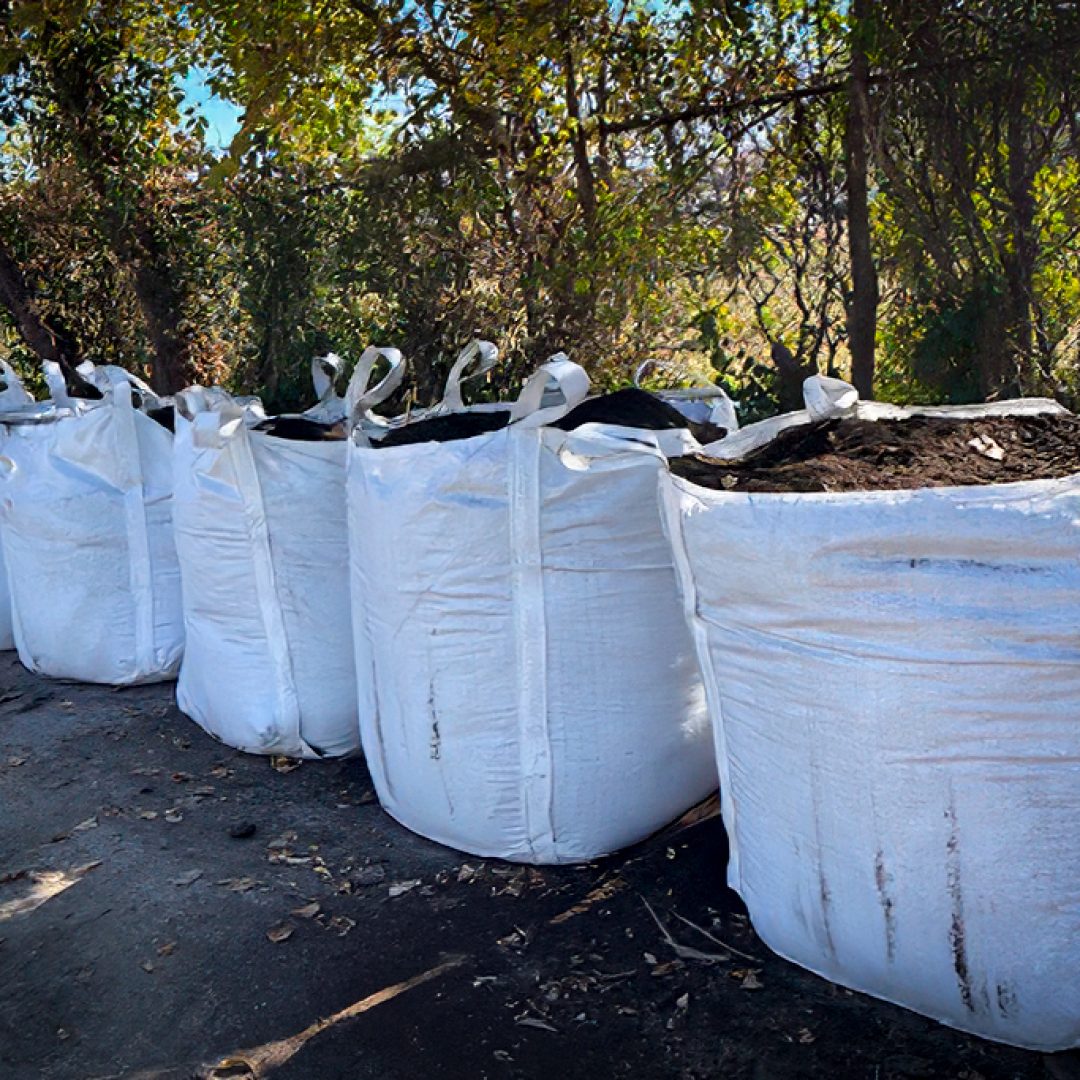
Biological Activity
Mature compost and microscopic biochar pores provide both an active food supply and a protective shelter for beneficial mycorrhizal fungi and aerobic bacteria, accelerating organic matter cycling and establishing a living, self-sustaining soil foundation.
Key Takeaways
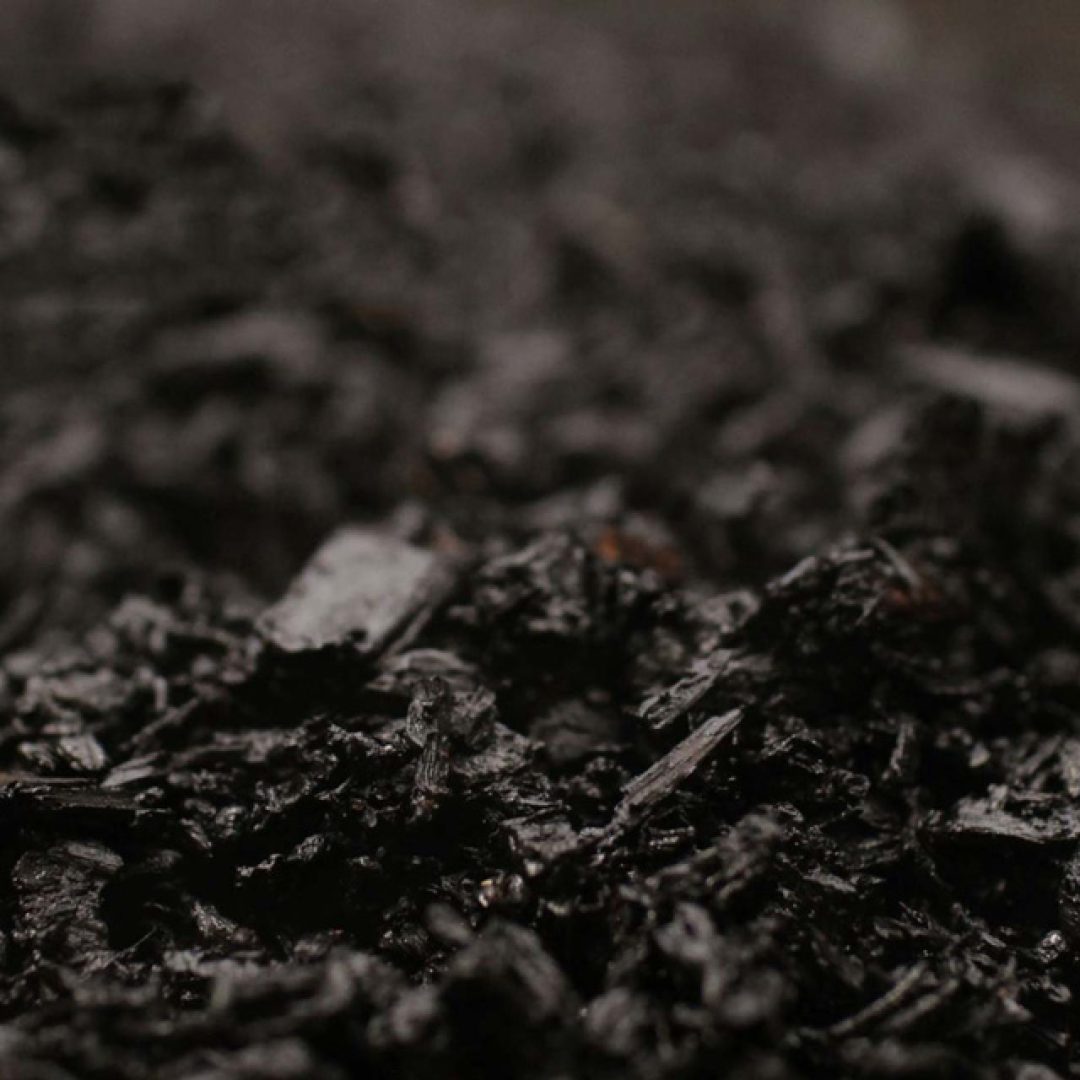
Overcoming Clay Compaction
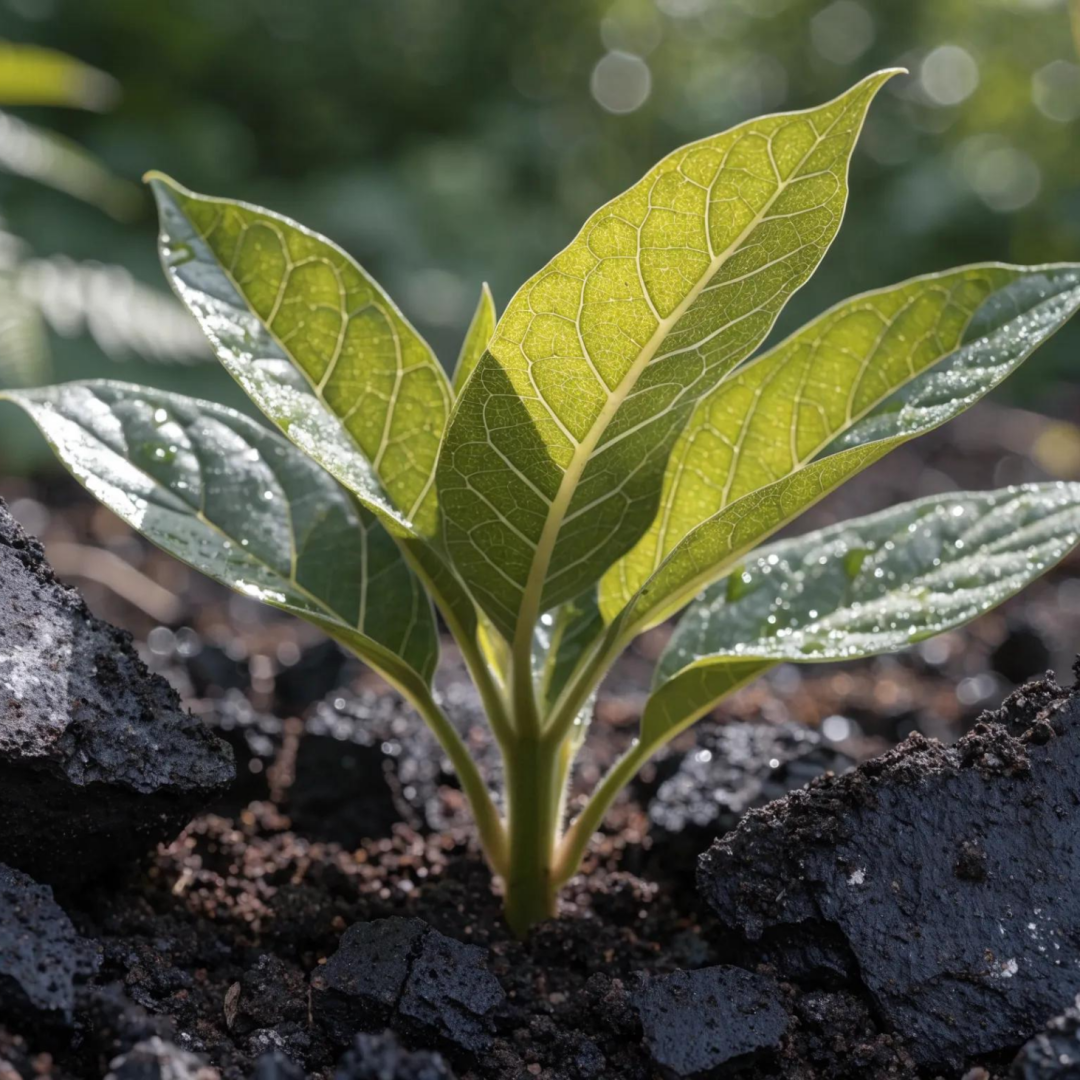
Kansas City’s native clay soils compact severely under seasonal rainfall, suffocating delicate root systems, restricting vital aeration, and locking away essential plant nutrients.
Balanced Regional Formulations
Products like Summer Field Farms Organic Soil Conditioner (1.5 cu. ft.) combine aged pine bark, mature compost, and trace minerals specifically engineered to break apart dense Midwest clay.
Permanent Carbon Upgrades
Integrating locally produced biochar from KCBIOCHAR (operating Monday through Friday, 8:00 AM to 3:00 PM in Kansas City, MO) permanently prevents re-compaction, optimizes water retention, and builds lasting microbial health.
Convenient Local
Sourcing
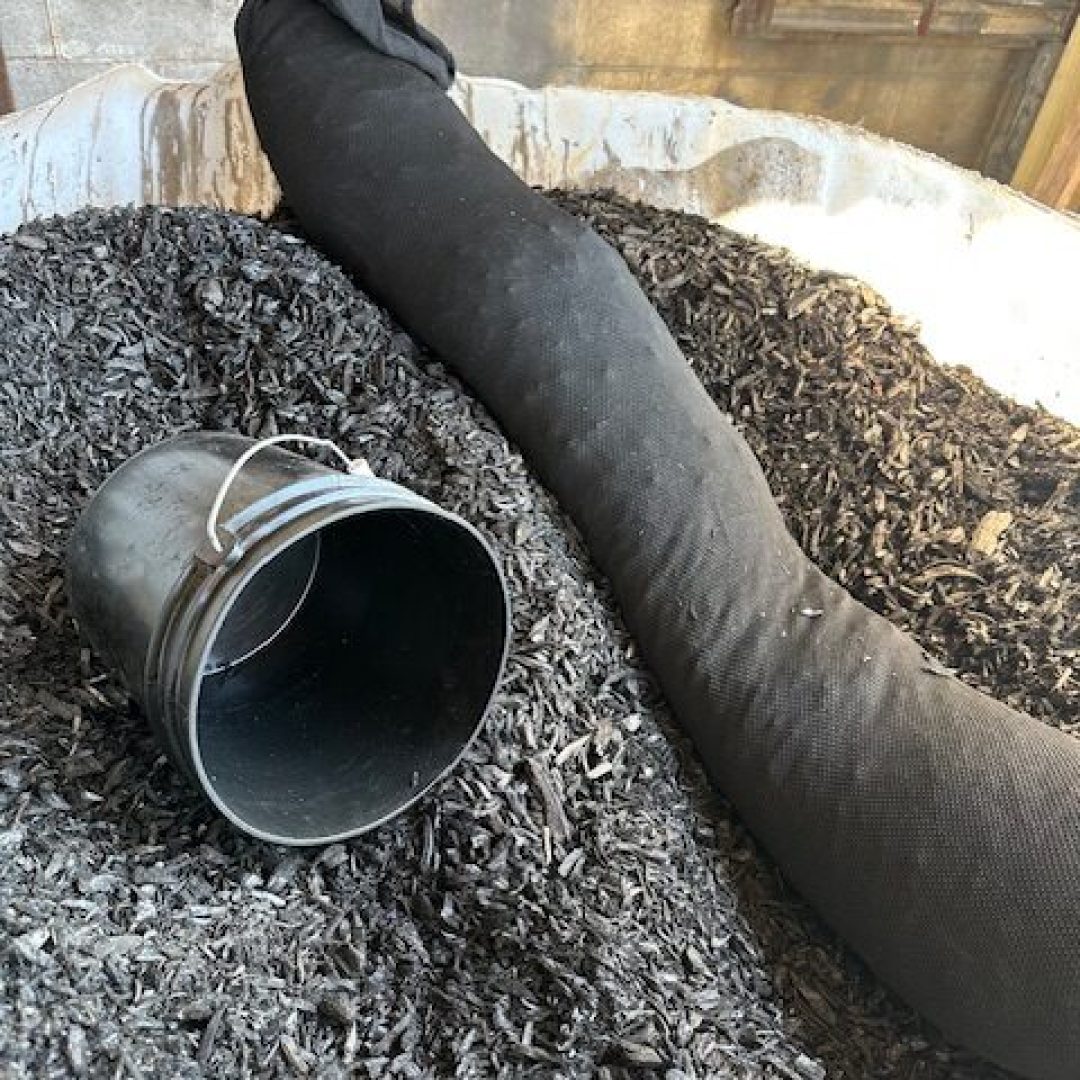
Regional suppliers like Missouri Organic Recycling deliver premium bulk and bagged soil amendments directly to residential driveways, commercial job sites, and urban farms across the entire Kansas City metro area.
Why Does KC Clay Need an Organic Soil Conditioner?
Kansas City’s native clay soils compact under heavy rainfall, choking root systems and locking away nutrients plants need to thrive. Homeowners and landscapers across the metro battle this cycle every season: water pools instead of draining, roots stay shallow, and fertilizer applications underperform. Breaking that pattern requires more than routine watering or synthetic fertilizer it requires changing the soil’s physical structure.
An organic soil conditioner offers a proven path forward. Amendments in this category improve drainage, build long-term fertility, and reduce dependence on synthetic fertilizers over time. Rather than masking clay’s problems season after season, they change how water, air, and roots move through the ground.
When dense clay particles settle, they form tight, microscopic sheets that eliminate the pore space necessary for gas exchange and water infiltration. During wet Midwest springs, this causes the topsoil to become saturated and oxygen-depleted, creating anaerobic conditions that trigger root rot and stunt plant development. When summer heat arrives, that same waterlogged layer bakes into an impenetrable hardpan that repels irrigation and physically restricts root expansion. Applying an organic conditioner introduces durable organic particles and porous carbon that physically wedge these dense sheets apart. This structural transformation restores internal drainage, allows feeder roots to delve deep into the subsoil, and unlocks trapped minerals turning unworkable native ground into fertile, living garden beds.
What Makes Clay Soil So Difficult to Work With in Kansas City?
Clay particles bond tightly, leaving little room for air or water to pass through. That density suffocates roots and stalls nutrient uptake, even in well-fertilized beds.
Two regionally suited options address this directly:
KCBIOCHAR's Bulk Biochar
Produced from locally sourced, sustainable woody biomass and engineered specifically for the clay-heavy soils of the Kansas City metro. Its permanent, porous carbon framework acts as a structural wedge and nutrient sponge that will not decompose over time.
Summer Field Farms Organic Soil Conditioner
A balanced blend of aged pine bark, mature compost, and trace minerals formulated to deliver immediate drainage improvements, microbial inoculation, and slow-release nutrient availability in dense KC clay.
Both approaches target the same root problem compaction but through complementary organic mechanisms suited to local growing conditions. While pine bark and compost provide immediate physical separation and biological fuel in the short-to-medium term, biochar provides a permanent, non-degrading subterranean skeleton. Layering or co-applying these two soil amendments gives Kansas City growers an immediate boost in workability and aeration alongside decades of compounding fertility, water efficiency, and root zone protection.
What Organic Soil Conditioner Options Fit Local Growers?
Kansas City growers battling compacted clay have a proven blended option in Summer Field Farms organic soil conditioner, sold in 1.5 cu. ft. bags sized for trees, shrubs, and vegetable beds. This pine bark, compost, and trace mineral blend targets the exact problem clay soils create: poor drainage and locked-up nutrients. Roots suffocate in compacted ground; this conditioner opens up pore space so water and air actually reach them.
Applied around new plantings or worked into existing beds, the conditioner improves drainage, aeration, and nutrient availability in one pass. Because it arrives ready to use, no pre-mixing or complicated preparation is required before planting. Annuals, perennials, and newly installed shrubs all benefit from healthier root development and sturdier growth once the material is incorporated.
For home gardeners, landscapers, and market growers tackling larger plots or persistent, heavy-compaction zones, combining ready-to-use bagged conditioners with locally sourced bulk biochar from KCBIOCHAR creates an all-season growing medium. While the aged pine bark and finished compost deliver immediate physical loosening and biological fuel for the current growing season, adding high-grade biochar locks in permanent carbon pore networks. This dual-action approach prevents native Midwestern clay from ever settling back into a hardpan state, ensuring consistent water infiltration during spring deluges and reliable moisture retention through peak summer heat.
Where can Kansas City growers pick up organic soil conditioner?
Local access matters when planting windows are tight and unpredictable spring weather demands quick turnaround times. Free in-store pickup and flexible local delivery options serve the Kansas City metro directly, cutting down on transit time and eliminating the hassle of hauling heavy, saturated bags across town. Missouri Organic Recycling expands this regional footprint, offering four dedicated metro locations where growers can load up on bulk soil amendments, compost, and mulches.
For commercial landscapers and urban growers managing tight project timelines across multiple sites, having distributed pickup hubs and direct job-site delivery drastically cuts equipment downtime and keeps planting crews on schedule. Whether sourcing bagged Summer Field Farms conditioners at nearby retail centers or coordinating bulk biochar loads from KCBIOCHAR (open Monday through Friday, 8:00 AM to 3:00 PM in KCMO), local growers have direct, dependable access to the high-performance soil inputs their beds need.
How Does KCBIOCHAR Build Long-Term Soil Health?
Raw biochar delivers a permanent biological and structural upgrade to Kansas City’s dense clay soils. Unlike compost or mulch, which break down within a season or two, biochar’s carbon skeleton resists decomposition for centuries. That permanence matters for clay-heavy yards where compaction returns year after year unless the underlying soil structure actually changes.
Because heavy Midwestern clay particles naturally collapse together under rain, standard organic matter breaks down too quickly to stop recurring hardpan formation. Raw biochar solves this by acting as an unyielding, microscopic scaffolding within the soil profile:
Permanent Aeration and Drainage
The rigid carbon granules wedge between flat clay platelets, preserving vital macro-pore channels that allow excess spring water to drain freely and plant roots to penetrate deeply without meeting resistance.
Nutrient Sponge (High CEC)
Biochar possesses a high Cation Exchange Capacity (CEC), meaning its vast internal surface area chemically grabs onto vital macronutrients such as nitrogen, phosphorus, potassium, and calcium preventing them from washing away during heavy rains and metering them out as crops demand.
Microbial Sanctuary
The intricate honeycomb of microscopic pores creates a protected environment for beneficial mycorrhizal fungi and aerobic bacteria, sheltering active soil biology from heat extremes, drought, and physical disturbance.
By establishing a permanent physical framework that holds onto water, air, and plant nutrients, KCBIOCHAR transforms difficult native clay into a resilient, highly fertile growing environment that improves with every passing season.
What makes biochar different from a standard organic soil conditioner?
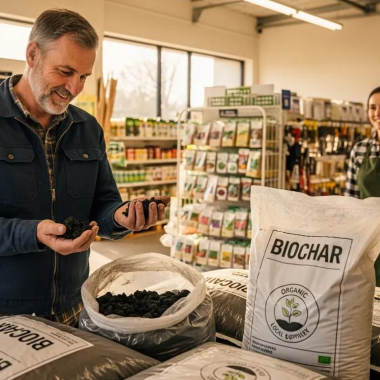
The production method is what sets biochar apart. Manufacturers create it through the high-heat thermal conversion of woody biomass in an oxygen-depleted environment a process called pyrolysis which yields a stable, recalcitrant carbon structure rather than a decomposing organic matter amendment.
While traditional conditioners like compost and pine bark break down within a few seasons and leave clay vulnerable to re-compaction, biochar’s rigid, charcoal-like honeycomb matrix resists microbial decay for centuries. This permanence allows it to physically wedge between tight clay platelets indefinitely, providing lifelong pore space, improved water infiltration, and a permanent nutrient-holding sponge that conventional amendments simply cannot sustain over time.
Can growers offset the cost of biochar in Kansas City?
Cost need not be a barrier for serious growers looking to make long-term investments in their soil. Kansas City agricultural producers and urban growers can apply for USDA Natural Resources Conservation Service (NRCS) financial assistance programs such as the Environmental Quality Incentives Program (EQIP) and its dedicated Soil Carbon Amendment conservation practice standard to subsidize material and application costs significantly, alongside standard commercial purchasing.
This regional push toward sustainable carbon amendments aligns with long-standing local shopping habits: trusted retailers like Soil Service, serving Kansas City gardeners since 1934, have continually championed organic, earth-friendly inputs. Together, federal conservation incentives and strong regional retail support reflect a growing consensus that heavy clay soil demands a permanent, structural solution precisely the role locally sourced biochar from Kansas City, Missouri, is engineered to fill.
FAQ
Kansas City’s native clay compacts severely under seasonal rainfall, suffocating delicate root systems and locking away vital plant nutrients. Organic conditioners permanently restructure the soil by creating durable pore channels, improving drainage during wet springs, and building long-term fertility rather than simply masking soil problems each season.
A combination of immediate biological conditioners and permanent carbon amendments delivers the best results. Summer Field Farms Organic Soil Conditioner (1.5 cu. ft.) blends pine bark, compost, and trace minerals for immediate aeration and nutrient delivery, while KCBIOCHAR’s bulk biochar supplies locally sourced, pyrolyzed woody biomass that permanently prevents re-compaction and increases water holding capacity.
Regional suppliers like Missouri Organic Recycling deliver bulk soil amendments, compost, and mulches directly to driveways, commercial job sites, and businesses throughout the KC Metro area. Free in-store pickup and local nursery distribution are also widely available for bagged and bulk products.
Conclusion
In closing, biochar represents a substantive, permanent approach to soil conditioning across the Kansas City region, delivering measurable improvements in water retention, nutrient availability, and structural tilth. Sourcing high-grade biochar locally from sustainable woody biomass guarantees supply chain transparency, minimizes transportation impacts, and supports regional carbon-sequestration initiatives. By integrating biochar alongside organic conditioners, growers establish a resilient subterranean foundation that aligns operational efficiency with environmental stewardship and lasting soil health.