

Biochar for Potting Soil: Kansas City Gardeners' Guide
Biochar can be incorporated into potting soil and container growing mixes as a functional, long-term soil amendment. Produced through controlled pyrolysis, biochar is a carbon-rich material characterized by a microscopic, porous structure designed to support water retention and nutrient availability in the root zone. Based in Kansas City, Missouri, KCBIOCHAR supplies raw, charged, and compost-blended bulk biochar products for regional gardening, commercial landscaping, and broader soil improvement applications.
For container gardeners and growers across the Kansas City area, incorporating biochar into custom potting mixes or utilizing compost-blended formulations provides a stable physical framework within confined growing spaces. The high internal surface area of biochar helps manage moisture levels, buffer against rapid nutrient leaching during frequent waterings, and create enduring habitat for beneficial microbial activity throughout the growing season.
Key Takeaways
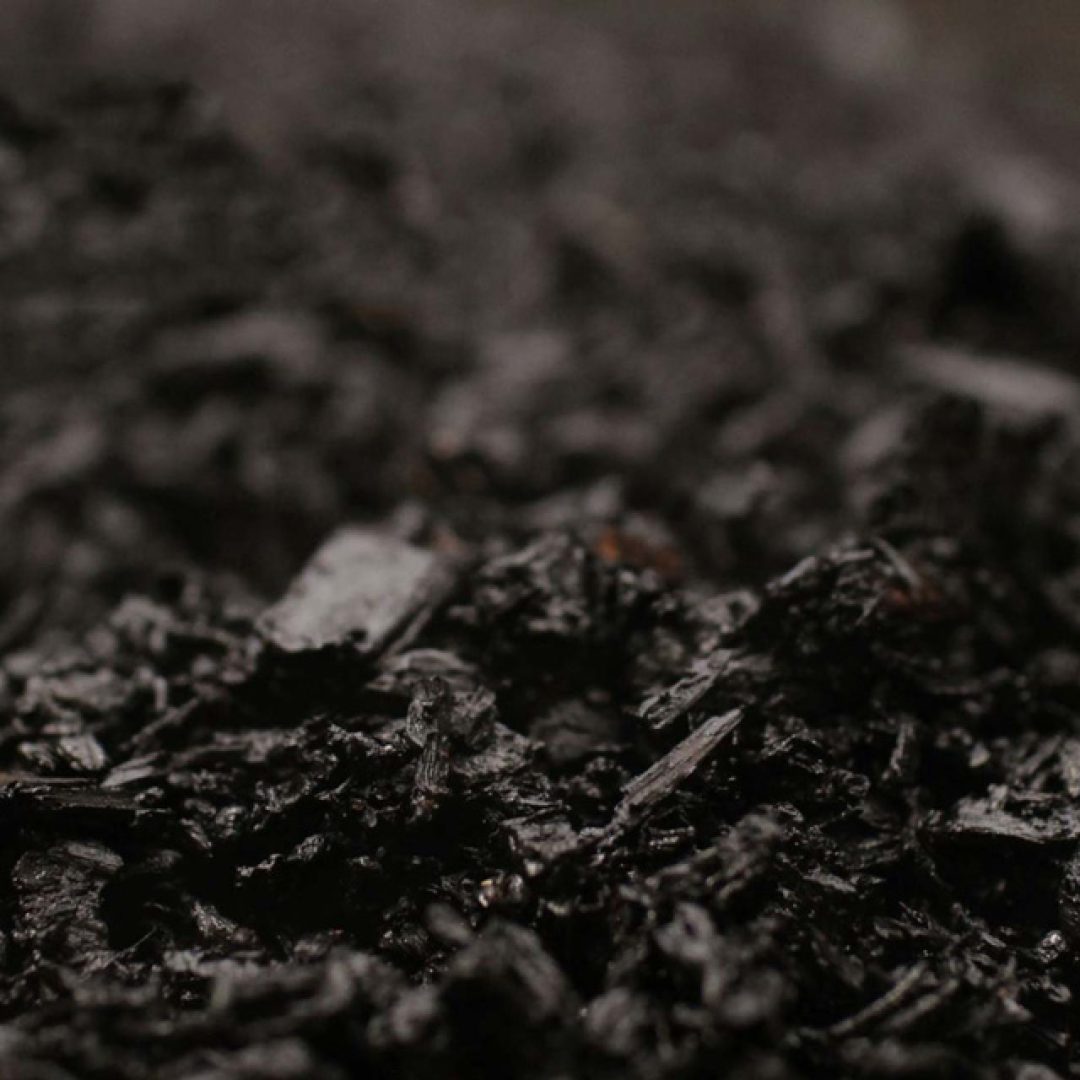
Stable Carbon Material
Biochar is an enduring, carbon-dense soil amendment produced via pyrolysis—a thermal process that heats biomass in an oxygen-deprived environment.
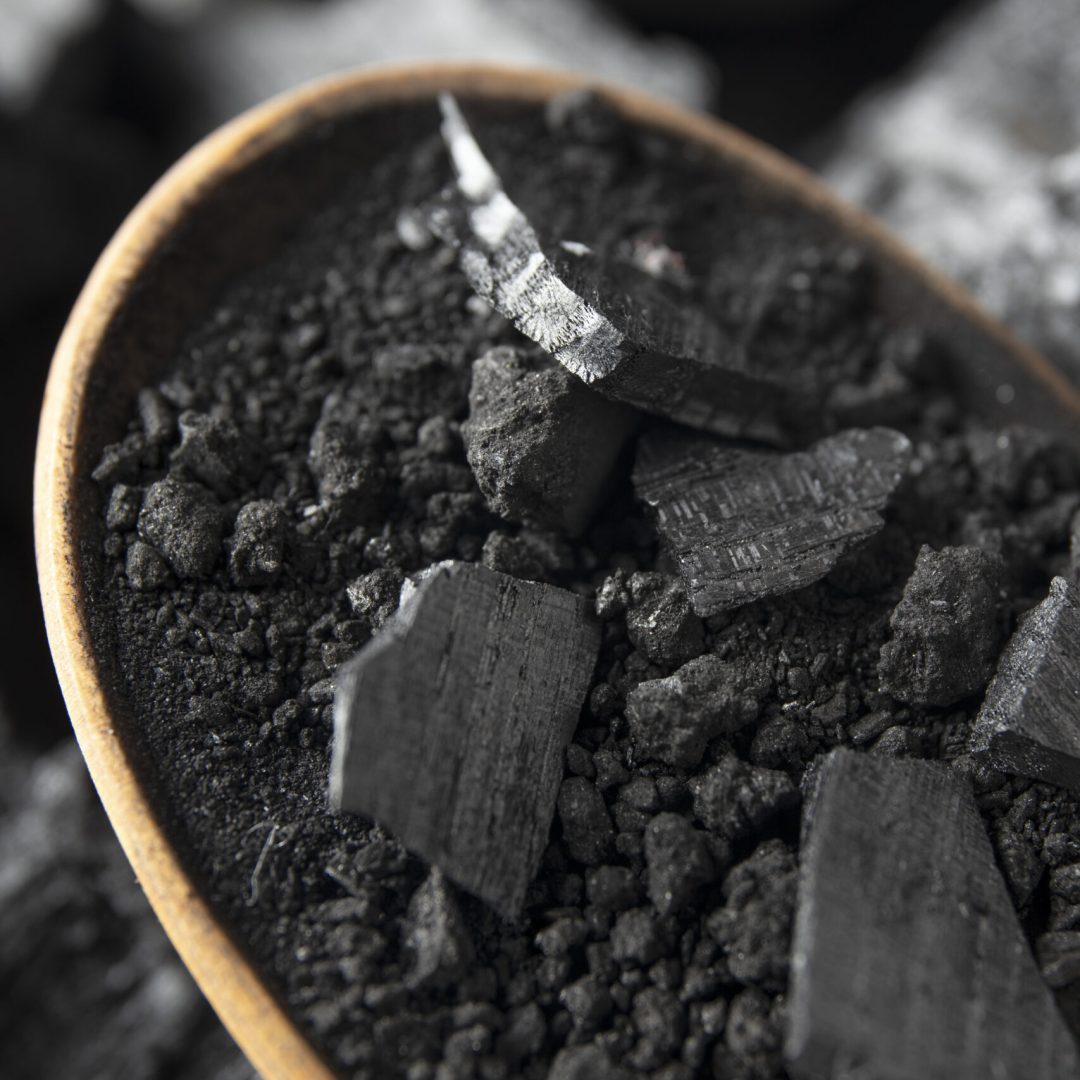
Tailored Product Options
KCBIOCHAR supplies raw, charged, and compost-blended bulk biochar to meet diverse potting, container, and garden soil amendment requirements.
Physical Support in Containers
The porous carbon structure is designed to assist with moisture management, help retain vital plant nutrients, and provide physical habitat for beneficial soil microbes.
Flexible
Integration
Biochar integrates cleanly into container mixes, custom potting media, or compost blends as part of a long-term soil management approach.
What Makes Biochar Effective for Potting Soil?
The primary advantage of biochar in container mixes lies in its porous physical structure, which creates stable micro-cavities that can hold water, retain soluble nutrients, and house beneficial soil microorganisms. Through the pyrolysis process, biomass is converted into an enduring, carbon-dense framework featuring a vast network of internal pores that support media aeration and overall moisture management.
KCBIOCHAR describes its biochar as an amendment designed to support the physical, chemical, and biological properties of soil systems. In confined growing containers, this structure helps capture and hold moisture and nutrients within the active root zone while offering physical shelter where native biology can establish.
For container gardeners, biochar is designed to function as an amendment integrated into an existing potting mix or compost base rather than serving as a standalone growing medium. Optimal incorporation rates vary depending on plant species, container size, base media composition, the specific biochar product selected, and broader feeding practices.

Does biochar actually improve soil health in containers?
Yes. Biochar can contribute significantly to the functional health of container media by improving physical structure, stabilizing moisture cycles, and supporting biological activity. Because containers lose moisture and nutrients much faster than open ground, biochar’s internal pore network helps buffer these conditions:
Moisture Management
The internal micro-pores act like microscopic reservoirs, helping container media retain moisture longer between waterings while maintaining adequate aeration.
Nutrient Retention
Biochar helps hold dissolved minerals and organic nutrients within the active root zone, reducing the rate at which routine container watering leaches fertility out the bottom drainage holes.
Microbial Habitat
The porous carbon framework provides sheltered zones where beneficial bacteria and mycorrhizal fungi can colonize, protected from extreme temperature swings and rapid drying.
To meet specific potting and planting goals, Kansas City gardeners and growers can choose from KCBIOCHAR’s raw, charged, or compost-blended bulk products depending on their baseline soil blend and planting timeline.
Why Source Biochar From Kansas City's Local Producer?
To meet specific potting and planting goals, Kansas City gardeners and growers can choose from KCBIOCHAR’s raw, charged, or compost-blended bulk products depending on their baseline soil blend and planting timeline.
KCBIOCHAR offers raw, charged, and compost-blended bulk formulations, allowing growers to choose the exact particle size and biological charge required for their media recipes:
20% Biochar Compost Blend
Pre-inoculated with rich compost to provide immediate biology and nutrients alongside lasting carbon structure ideal for ready-to-use potting mixes and bed prep.
100% Biochar Fines
A finely screened material that blends easily into container media, seedling mixes, and targeted root-zone amendments.
Mixed Fines and Coarse Biochar
A balanced blend combining smaller particles for surface area with coarser fragments to assist with container drainage and porosity.
100% Biochar Coarse
Larger carbon particles well suited for bottom-of-container drainage layers, heavy soil conditioning, and specialized landscaping applications.
What Volume Options Work Best for Container Growers?
To accommodate both urban patio gardens and commercial nursery operations, KCBIOCHAR provides packaging formats ranging from compact buckets to high-volume freight loads:
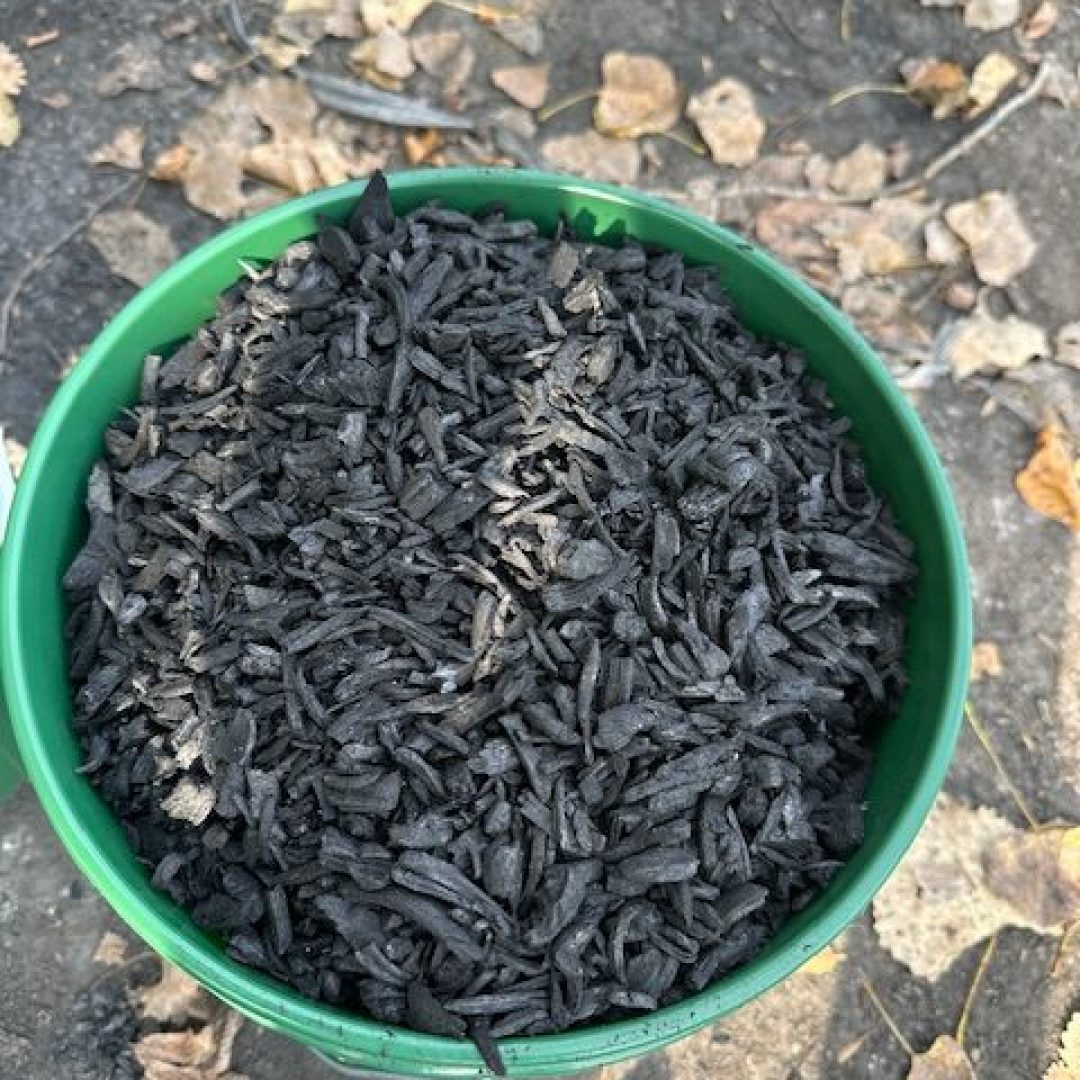
5-Gallon Quantities
A manageable, convenient format for residential container gardeners blending small batches of custom potting soil, tending raised planter boxes, or amending targeted patio pots.
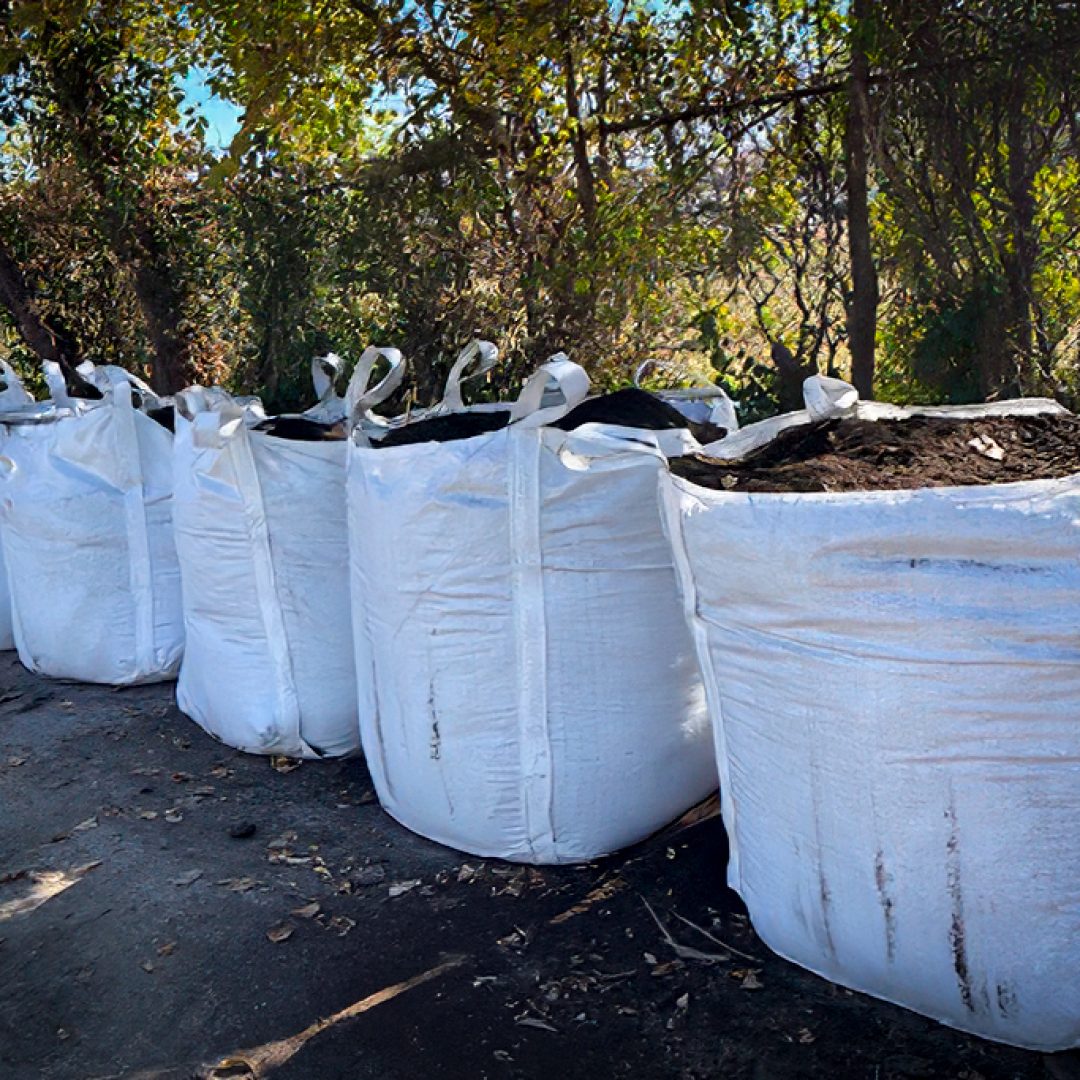
2-Cubic-Yard Super Sacks
Well-suited for community gardens, larger greenhouse setups, and commercial landscaping projects that require steady, bulk volume with organized, crane- or forklift-accessible storage.
Loose Bulk Deliveries
Available for high-volume urban agriculture, commercial potting mix manufacturers, and multi-bed installations needing bulk truckloads dropped directly on-site.
The right volume depends on the total cubic footage of your containers, target blending ratios, and available on-site handling equipment.
Does Raw Biochar Work in Potting Mixes, Not Just Field Soil?
Yes, raw biochar can be incorporated into potting mixes and container media, though understanding how it interacts with nutrients is key to achieving optimal results. KCBIOCHAR identifies its biochar as an effective amendment for home gardening and soil building, confirming it can be blended directly into growing mixes or combined with compost.
When using uncharged or raw biochar in containers, growers should keep a few practical considerations in mind:
Nutrient Absorption Dynamics
Fresh, raw biochar features empty internal pores and high surface reactivity. When introduced to a container mix, it naturally pulls in water and soluble nutrients until its internal matrix reaches equilibrium with the surrounding media.
Pre-Charging or
Blending
To ensure raw biochar does not compete with young root systems for readily available nitrogen, growers often pre-mix raw biochar with liquid organic fertilizer, worm castings, or finished compost before potting up.
Pre-Blended
Alternatives
For those looking to avoid a separate pre-conditioning step, pre-charged or compost-blended options (such as KCBIOCHAR's 20% Biochar Compost Blend) provide a ready-to-use alternative with active biology and nutrients already integrated into the carbon lattice.
How Do You Start Adding Biochar to Containers?
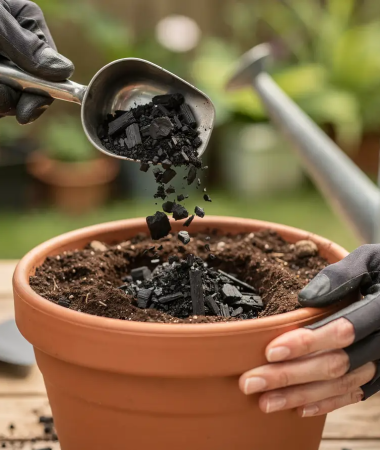
Container gardeners in the Kansas City area can start by selecting a biochar formulation that matches their specific planting timeline and media recipe. Produced through controlled pyrolysis, biochar provides a durable, carbon-dense framework that supports physical structure in constrained root environments. To fit different container workflows, KCBIOCHAR provides raw, charged, and compost-blended bulk products.
To incorporate biochar into containers effectively:
Treat as an Amendment, Not a Substrate
Biochar is designed to be blended into an existing potting soil, peat, or coco-coir base rather than used as a 100% standalone growing medium.
Blend Thoroughly Before Potting
Mix the biochar evenly throughout the potting media before filling containers or transplanting. Uniform distribution ensures the microscopic pore network is accessible across the entire root profile rather than concentrated in pockets.
Pair with Organic
Nutrition
Depending on whether you choose raw fines, a coarse blend, or a pre-charged option, combining the amendment with compost, worm castings, or a balanced organic fertilizer ensures the carbon matrix holds active nutrients for root uptake from day one.
What Makes Biochar Different From Other Soil Additives?
The defining difference between biochar and conventional soil amendments lies in its physical stability and cellular permanence. While standard organic additions such as peat moss, raw bark, worm castings, and manure—are designed to rapidly decompose and release their nutrients over a single growing season or two, biochar provides an enduring carbon backbone that persists in the soil profile:
High-Temperature Pyrolysis: By heating clean wood feedstock in an oxygen-deprived kiln, the process converts volatile organic matter into a recalcitrant carbon lattice that resists biological breakdown.
Porous Micro-Architecture: Unlike perlite or vermiculite, which provide drainage but contribute little to biological health, biochar features an intricate network of microscopic internal pores that simultaneously hold water, capture dissolved plant nutrients, and offer sheltered colonization zones for beneficial microbes.
Long-Term Structural Support: Rather than shrinking or compacting as it weathers, biochar maintains its physical matrix in potting media over multiple seasons, supporting media aeration and porosity over time.
FAQ
Biochar’s microscopic pore network creates a durable physical structure within container media. It supports moisture retention, helps hold soluble nutrients in the active root zone, and provides sheltered habitat for beneficial microorganisms. KCBIOCHAR describes its products as functional amendments designed to support the physical, chemical, and biological properties of soil systems.
Gardeners and commercial growers can source biochar directly from KCBIOCHAR in Kansas City, Missouri. The company produces raw, charged, and compost-blended formulations, including 20% Biochar Compost Blend, 100% Biochar Fines, mixed fines and coarse biochar, and 100% Biochar Coarse in quantities ranging from 5-gallon pails to bulk truckloads.
Conclusion
In closing, incorporating biochar into container mixes provides a long-term foundation for improving potting media structure, balancing moisture retention, minimizing nutrient leaching, and establishing a thriving microbial habitat. KCBIOCHAR manufactures and supplies raw, charged, and compost-blended biochar products directly from its Kansas City facility to support home gardeners, commercial nursery growers, and agricultural operations.
Regional growers can choose from multiple product gradings and volume formats from 5-gallon pails for custom small-batch potting to bulk super sacks and truckloads for commercial container programs. Contact KCBIOCHAR to discuss product specifications, confirm appropriate blending ratios, and arrange pickup or regional delivery.
KCBIOCHAR
3824 Fremont Ave.
Kansas City, MO 64129
Monday-Friday: 8:00 AM-3:00 PM
Saturday-Sunday: Closed