Buy Biochar Kansas City
Where to Find Local Biochar Products Near Me
What Are the Key Benefits of Biochar for Agriculture and Landscaping?
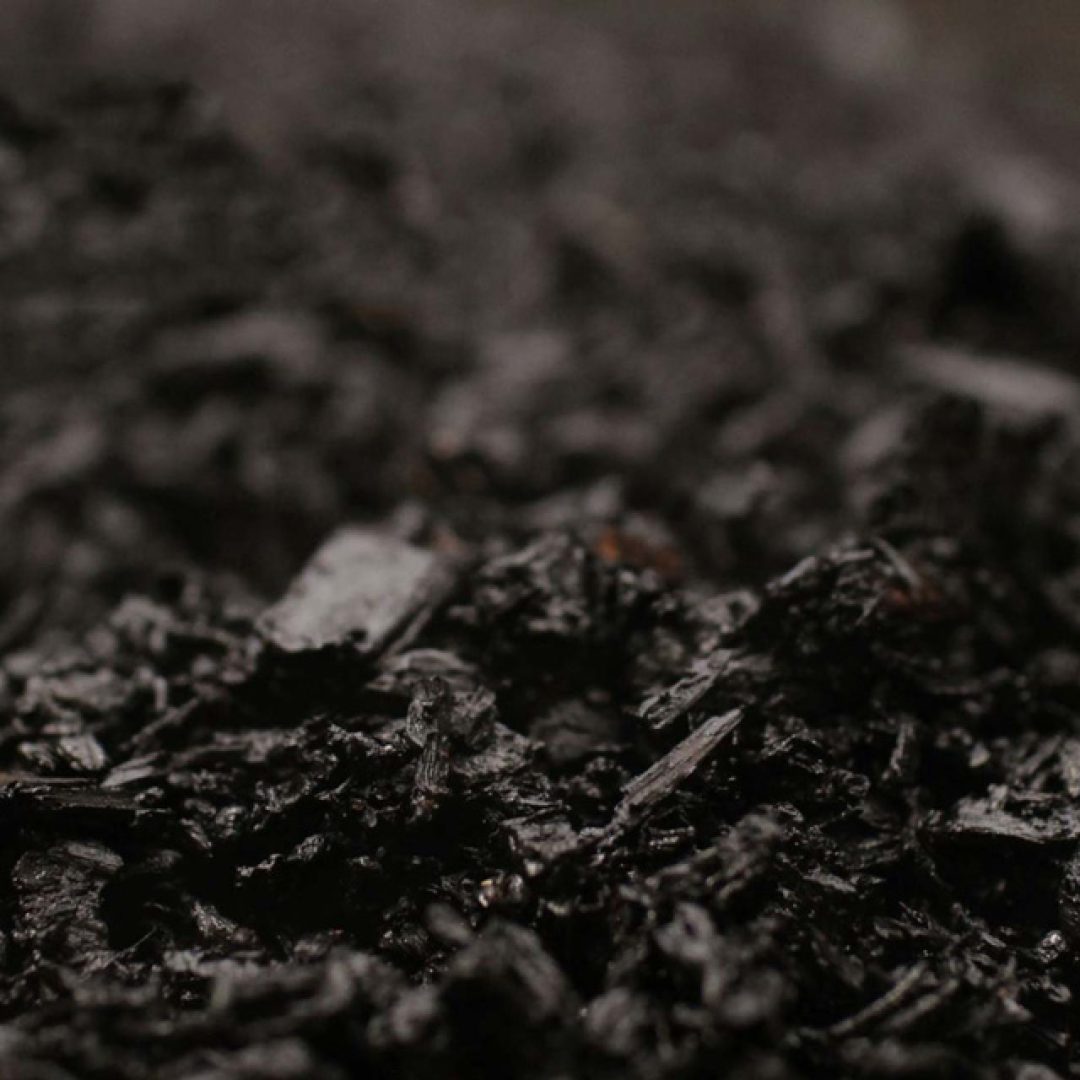
Improved Soil Structure
It physically breaks up compacted clay, increasing porosity and boosting the microbial diversity needed for strong root development.
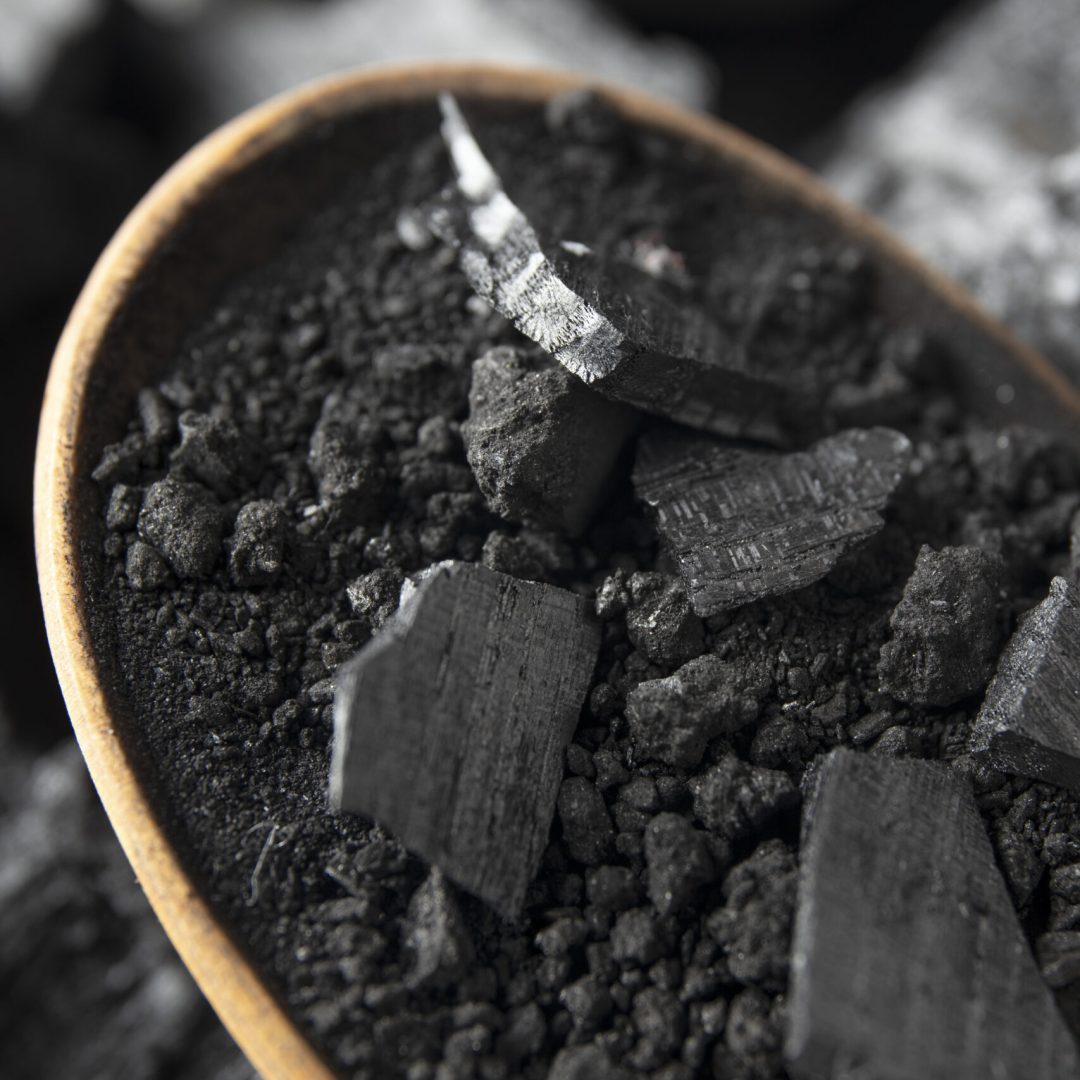
Enhanced Nutrient Retention
Its porous structure acts like a nutrient battery, holding onto nitrogen and phosphorus to prevent leaching while keeping them readily available to plants.
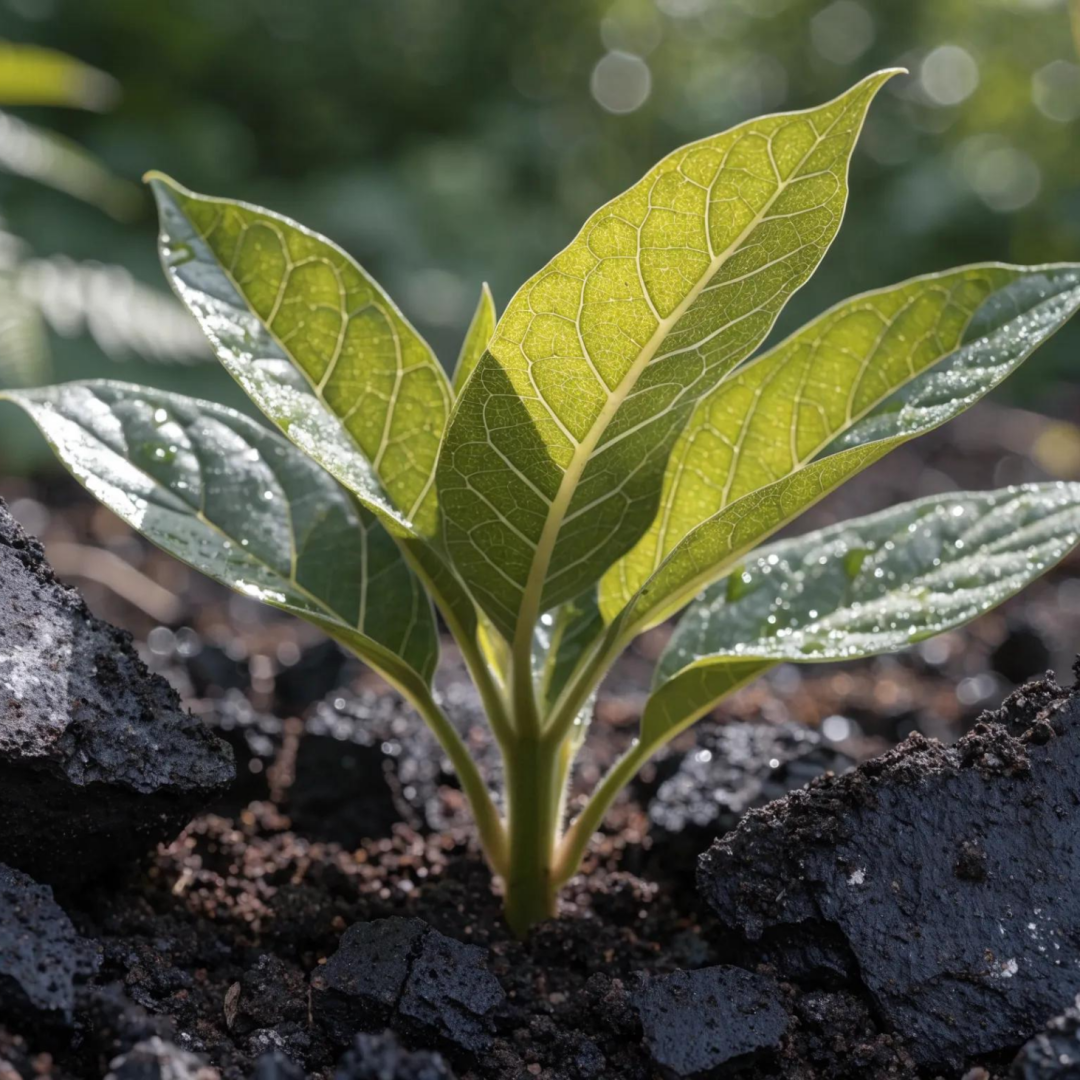
Superior Water Retention
It allows the soil matrix to act like a sponge, locking in moisture directly at the root zone to reduce irrigation needs during dry summer spells.
How Does Biochar Improve Soil Fertility and Crop Yield?
Biochar improves soil fertility through permanent structural and chemical enhancements that maximize nutrient availability:
By structurally upgrading the root zone, biochar ensures plants receive a steady supply of moisture and nutrients, resulting in healthier crops and higher harvest yields.
In What Ways Does Biochar Support Sustainable Farming Practices?
Utilizing biochar minimizes the environmental footprint of modern agriculture while promoting highly resource-efficient farming methods:
Reduces Chemical Fertilizer Dependence
By securely holding onto applied nutrients, biochar cuts down on the volume of synthetic fertilizers required, reducing both input costs and chemical runoff into local waterways.
Enhances Resilience to Volatile Weather
Its sponge-like moisture retention protects crops from drought stress during dry spells and reduces water waste, ensuring steady yields despite erratic weather patterns.
Supports Soil Biodiversity
The structural matrix of biochar serves as a permanent habitat for beneficial soil microbes and earthworms, fostering the diverse ecosystem required for natural pest suppression and nutrient cycling.
By transforming raw biomass into a long-term soil asset, biochar bridges the gap between high-yield crop production and proactive ecological preservation.
Where to Buy Biochar Products in Kansas City?
If you are looking to purchase biochar locally, several suppliers offer high-quality options tailored to the Kansas City metro area. Sourcing your material within the region cuts down on expensive freight fees and ensures the product is optimized for heavy Midwest soils.
KC Biochar
Who Are the Trusted Biochar Suppliers Near Me in Kansas City?
Finding reliable biochar suppliers is essential for ensuring product quality and support. Trusted suppliers in Kansas City include:
Reach out directly to the suppliers for more information about their offerings and standards.
What Are the Pre-order and Pricing Options for Local Biochar?
Understanding your regional procurement and bulk pre-order options is key to accurately forecasting your project budget:
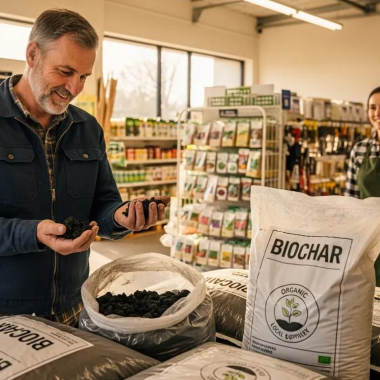
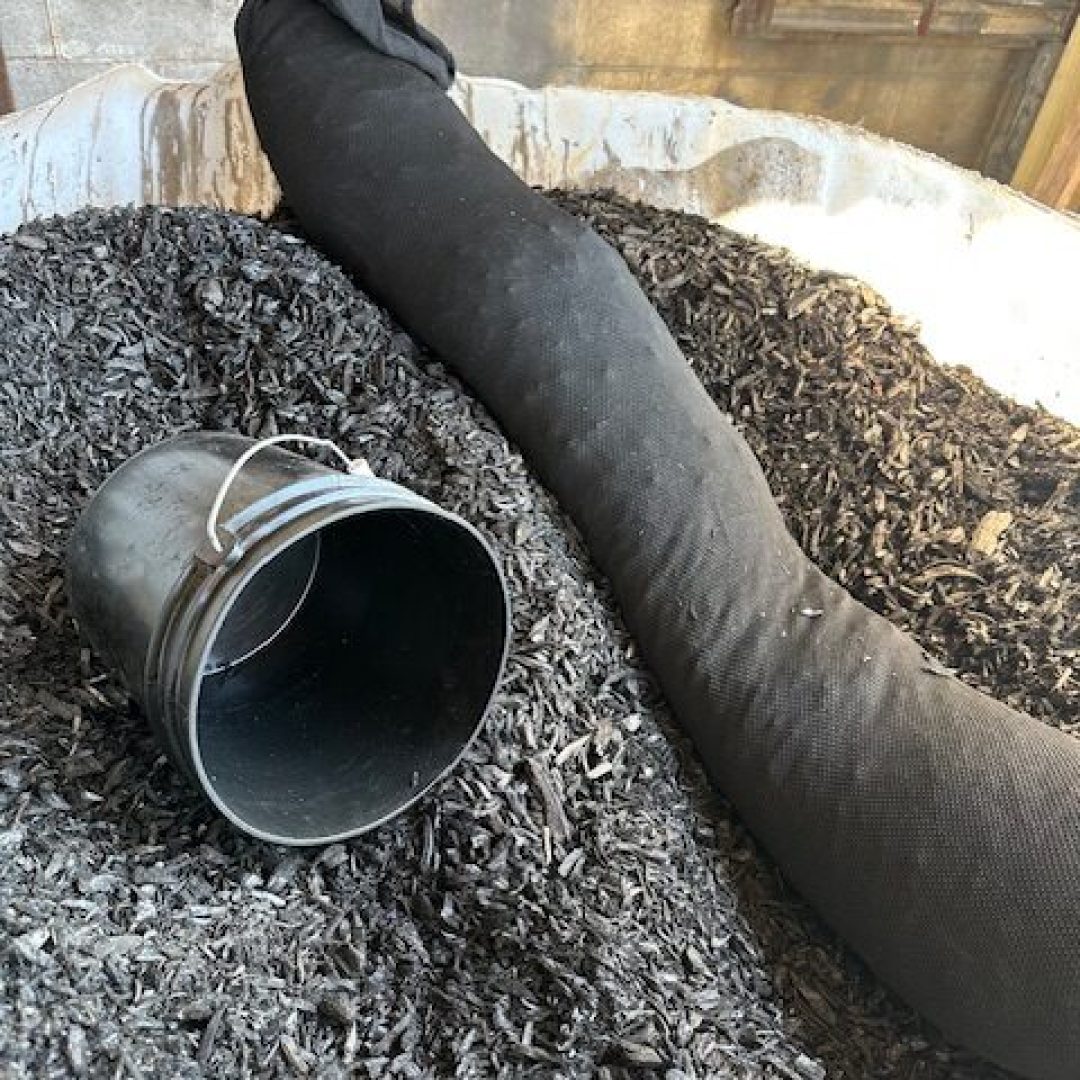
- 100% Raw Biochar: Approximately $250 per cubic yard. Ideal for commercial growers or landscapers who want to custom-inoculate the material on-site using their own manure or liquid fertilizers.
- 20% Biochar-Compost Blend: Approximately $117 per cubic yard (available in bulk or super sacks). This soil-ready, pre-charged formulation is inoculated with organic matter and ready for immediate field application.
- Small-Scale Retail Buckets: For home gardeners, 5-gallon buckets of pre-charged biochar are available for $35 (or $30 if you bring your own clean bucket to the facility).
Because bulk pricing heavily depends on truckload logistics and total volume, contact your local supplier directly to secure an accurate commercial quote.
How Does the NRCS Biochar Program Support Kansas City Farmers?
The USDA Natural Resources Conservation Service (NRCS) provides critical financial and technical backing to help regional growers integrate climate-smart carbon amendments into their operations:
By pairing federal EQIP funding with local technical production from suppliers like KC Biochar, Kansas City growers can permanently improve their soil’s crop productivity while lowering out-of-pocket costs.
What NRCS Cost-Share Incentives Are Available for Biochar Adoption?
The USDA Environmental Quality Incentives Program (EQIP), under Conservation Practice Standard (CPS) Code 336 (Soil Carbon Amendment), provides substantial financial incentives to directly offset your material and application costs:
- 75% Regional Cost-Share Rate: Standard agricultural producers receive significant financial assistance based on typical regional production costs. This standard rate is engineered to absorb the vast majority of your bulk purchase and delivery overhead.
- 90% Enhanced Cost-Share Rate: Historically Underserved (HU) producers including beginning farmers, socially disadvantaged operators, and military veterans qualify for specialized higher payment brackets to maximize equitable conservation adoption.
How Can Farmers Apply for NRCS Biochar Funding in Kansas City?
Securing federal funding through the Environmental Quality Incentives Program (EQIP) requires navigating a structured USDA application pipeline. Follow these operational steps to apply for Code 336 (Soil Carbon Amendment) funding in the Kansas City metro area:
STEP 1
Establish Your USDA Farm Records
Before applying, you must register your land with the USDA Farm Service Agency (FSA). You will need to secure an official Farm Tract Number, establish your operational boundaries, and file highly critical paperwork like Form AD-1026 (Highly Erodible Land Conservation Certification).
Submit an EQIP Application (Form NRCS-CPA-1200)
Applications can be submitted year-round at your local USDA Service Center (such as the Jackson County or Clay County offices in Missouri, or the Wyandotte/Johnson County offices in Kansas).
STEP 3
Develop a Conservation Plan with an NRCS Agent
A field agent will visit your property to assess your soil profile and draft an official conservation plan. To qualify for Code 336 funding, your plan must specify the target acreage, baseline soil test protocols, and technical certification that your biochar source is manufactured via high-heat pyrolysis.
STEP 4
Application Ranking & Funding Selection
The NRCS ranks applications periodically based on local conservation priorities. Projects that maximize environmental benefits such as those utilizing certified wood-based biochar to permanently remediate heavily compacted urban clay or significantly reduce fertilizer runoff near regional watersheds are prioritized for funding.
By preparing your land records early and working closely with local agents, you can streamline the review process and successfully lock in your cost-share incentives ahead of the upcoming seasonal ranking deadlines.
How to Effectively Apply Biochar for Best Results in Kansas City Soils?
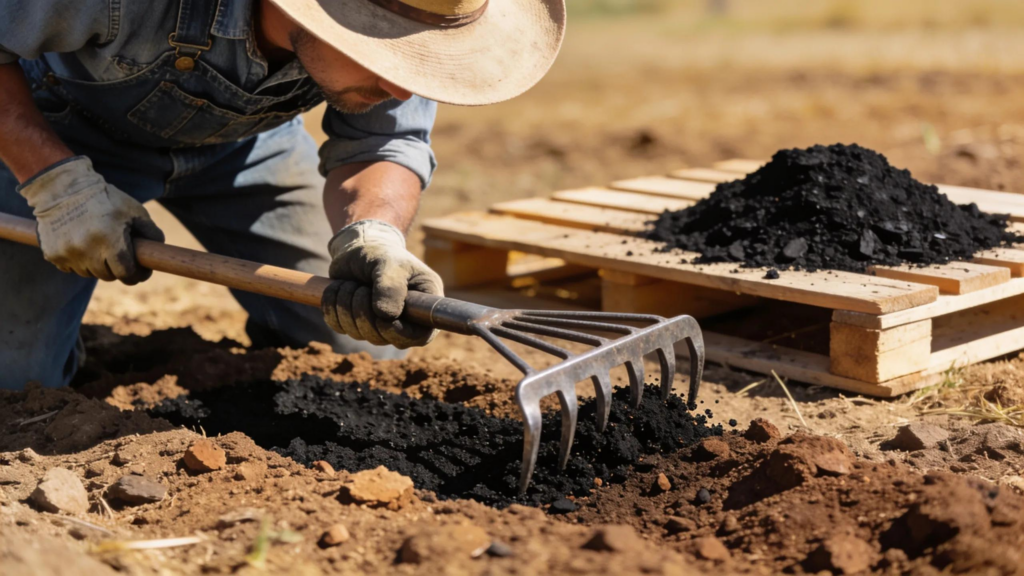
Effective application can lead to improved soil health and crop yields, leveraging the full potential of this amendment.
What Are Step-by-Step Biochar Application Methods for Agriculture?
To maximize agronomic benefits and ensure conservation compliance, follow this streamlined field application process:
How Does Biochar Application Enhance Carbon Sequestration?
Utilizing biochar in Kansas City soils serves as a highly effective, direct method for capturing and securely storing atmospheric carbon:
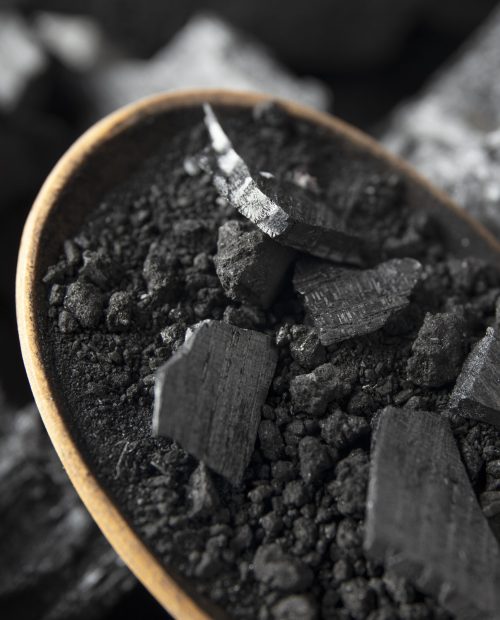
By physically embedding this stable carbon into Kansas City topsoil, farmers transition their acreage from a standard carbon source into a permanent, climate-smart carbon sink.
Secure Your Premium Soil Supply with KC Biochar