

Bulk Biochar Supplier Kansas City: Where to Buy and Why It Benefits Your Soil
Biochar is a carbon-rich material produced from organic matter through pyrolysis a process that heats biomass in the absence of oxygen. This innovative soil amendment is gaining significant traction for its ability to enhance soil health and fertility, making it a vital resource for farmers, landscapers, and eco-conscious consumers. In this article, we explore the benefits of biochar, its impact on crop yields, and where to find bulk biochar suppliers in Kansas City. We will also discuss the role of biochar in carbon sequestration, its long-term sustainability, and current regional pricing and ordering options.
Biochar: Pyrolysis, Agricultural Efficiency & Carbon Fixation
The biochar is carbon rich material produced from biomass pyrolysis and has been recognized as a promising soil amendment for improving agriculture efficiency in numerous frameworks and carbon fixation. This paper is an attempt to study the applications of biochar for the sustainability of agricultural systems.
Biochar: Preparation, properties and applications in sustainable agriculture, AA Dar, 2019
Benefits of Biochar for Soil Health and Fertility
Biochar: Definition, Climate Mitigation & Soil Fertility
The term 'biochar' refers to black carbon formed by the pyrolysis of biomass i.e. by heating biomass in an oxygen-free or low oxygen environment such that it does not (or only partially) combusts. Traditional charcoal is one example of biochar produced from wood. The term 'biochar' is much broader than this however, encompassing black carbon produced from any biomass feedstock. The use of biochar as a soil additive has been proposed as a means to simultaneously mitigate anthropogenic climate change whilst improving agricultural soil fertility.
Biochar as a soil amendment: A review of the environmental implications, D Woolf, 2008
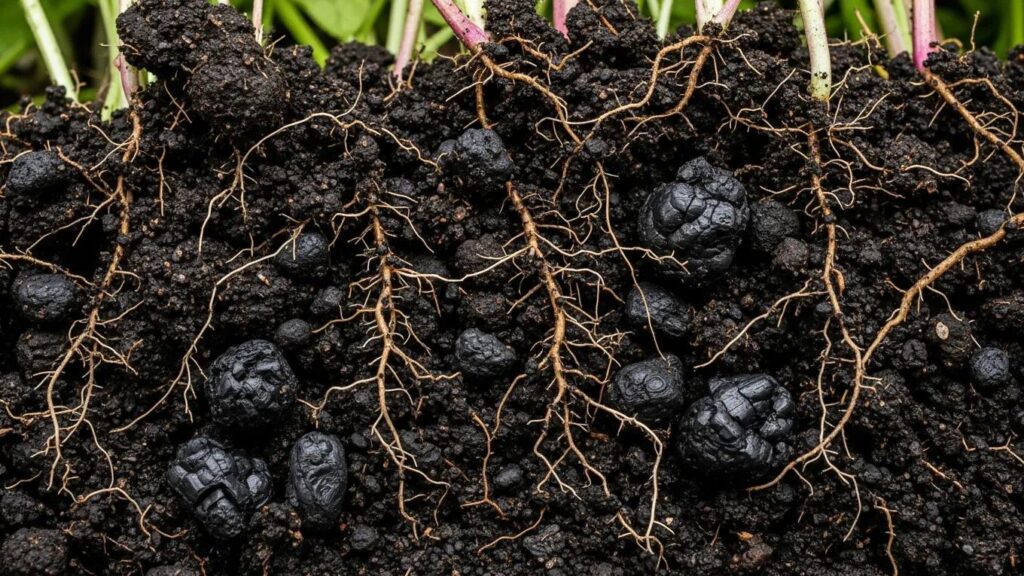
- Nutrient Retention: Biochar has a high Cation Exchange Capacity (CEC), which allows it to act like a nutrient magnet. It holds onto essential minerals such as nitrogen, phosphorus, and potassium preventing them from leaching away during heavy rains and keeping them accessible to plant roots.
- Improved Soil Structure: It enhances soil aeration and prevents compaction, particularly in the heavy clay soils common in the Kansas City area. This porous structure allows roots to grow more freely and improves the soil’s ability to store water and oxygen.
- Long-term Soil Improvement: Unlike compost or manure, which break down and disappear after a few seasons, biochar is a permanent amendment. It remains stable in the soil for centuries, continuously improving soil quality and supporting sustainable farming practices year after year.
How Does Biochar Improve Soil Health and Crop Yields?
- Increased Nutrient Availability: The high Cation Exchange Capacity (CEC) of biochar allows it to act like a “nutrient battery.” It holds onto essential elements like nitrogen, phosphorus, and potassium, reducing leaching during heavy rains and ensuring that plants have a steady supply of nutrients throughout the growing season.
- Reduced Fertilizer Costs: By retaining nutrients more effectively, biochar can decrease the requirement for supplemental synthetic fertilizers. For farmers and large-scale landscapers, this efficiency leads to significant long-term cost savings and a reduced environmental footprint.
- Improved Soil Structure: Biochar’s incredibly porous nature where a single gram can have a surface area of hundreds of square meters enhances soil aeration. This is crucial for robust root development and provides a sheltered “micro-habitat” for beneficial soil microbes and fungi to thrive.
What Role Does Biochar Play in Carbon Sequestration and Sustainability?
Biochar plays a significant role in “carbon sequestration” and sustainability efforts.
Carbon Sequestration:
Reduction of Greenhouse Gases
Soils amended with biochar can lower emissions of nitrous oxide and methane, two potent greenhouse gases.
Waste Reduction
Biochar for Crop Yield, Nutrient Efficiency & GHG Mitigation
Among several options of greenhouse mitigation, application of biochar into the soil is gaining popularity due to several advantages over other options. Biochar is a highly stable form of carbon derived from pyrolysis of biomass at relatively low temperatures. Application of biochar into the soil has been reported to provide multiple benefits like increase in crop yield, nutrient and water use efficiency and several environmental benefits. Recalcitrant nature, relatively higher carbon content and easily available feedstock make biochar a highly sustainable and quick option for carbon sequestration into the soil. Biochar application into the soil not only helps in carbon sequestration but also provides a better option for managing agricultural residues. The application of biochar has also reported for reducing a considerable amount of methane and nitrous oxide emission from the agricultural field due to its priming effect on the soil.
Role of biochar in carbon sequestration and greenhouse gas mitigation, DK Gupta, 2020
How Can Farmers and Builders Access Bulk Biochar in Kansas City?
Farmers and builders in Kansas City can access bulk biochar through various channels
- Local Suppliers: KC Biochar is the primary local manufacturer in the metro area, specializing in transforming regional wood waste into high-quality, high-carbon biochar. As a local plant operator, we offer products specifically designed for the unique soil profiles and environmental goals of the Midwest.
- Online Purchasing & Custom Quotes:Our digital platform allows customers to browse product specifications and request custom quotes from the comfort of their homes or job sites. Whether you need a few cubic yards or a full truckload, our online system streamlines the ordering process for:Raw Biochar: Ideal for experienced users who wish to inoculate the material with their own custom nutrient blends.Charged Biochar: Pre-activated with nutrients and microbes for immediate application.
Flexible Delivery & Pickup
We provide several logistics options to ensure you receive your amendment exactly when and where you need it:
- Local Delivery: We offer flat-fee delivery via dump truck throughout the Kansas City metro, including Lee’s Summit, Overland Park, and Olathe.
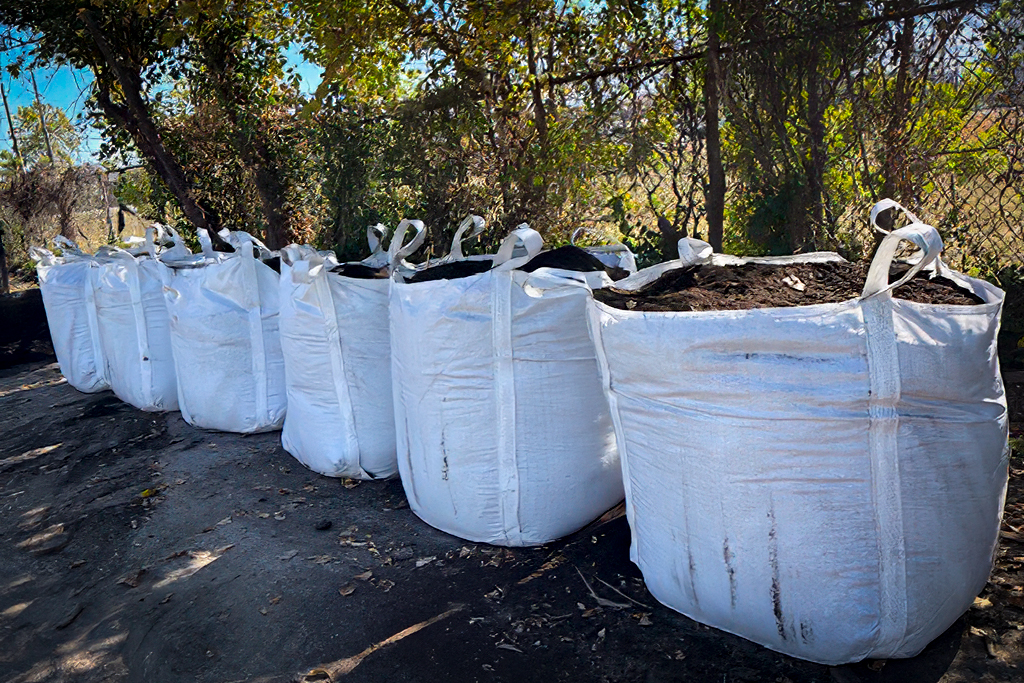
- Bulk Super Sacks: For builders and landscapers, we provide 2-cubic-yard “super sacks” for easier handling on job sites.
- In-Store Pickup: Customers can also schedule pickups at our local facility or find our products at authorized regional distributors like Soil Service Garden Center or Planters Seed & Spice Co.
Where to Find Local Bulk Biochar Suppliers Near Me in Kansas City?
- KC Biochar: Offers high-quality biochar made from recycled wood waste, ideal for various applications.
- Kansas City Composting: Provides biochar-blended compost, combining the benefits of both products for enhanced soil health.
- Soil Service Nursery: Supplies bagged biochar products, making it easy for customers to access biochar for smaller projects.
These suppliers provide a range of biochar products to suit different needs and applications.
What Are the Current Biochar Kansas City Prices and Ordering Options?
Pricing for biochar in Kansas City typically ranges from $25 to $60 per cubic yard, depending on the supplier and product quality.
- Price Range: Most suppliers offer competitive pricing, making biochar an affordable option for soil enhancement.
- Bulk Purchase Discounts: Many suppliers provide discounts for bulk purchases, allowing customers to save money when buying larger quantities.
- Delivery Fees: Some suppliers may charge a nominal fee for delivery, which can vary based on distance and order size.
Which NRCS Programs Support Biochar Use for Agriculture and Conservation?
- Soil Carbon Amendment Program: This program, under the Environmental Quality Incentive Program (EQIP), encourages the use of biochar to improve soil health.
- Eligibility Criteria: To qualify, applicants must own, lease, or rent the land where biochar will be applied.
- Funding Opportunities: Financial assistance is available for farmers looking to implement biochar practices, making it more accessible.
How to Apply for NRCS Biochar Conservation Incentives in Kansas City?
- Eligibility Requirements: Applicants must own, lease, or rent the land where biochar will be used.
- Application Process: Interested individuals can apply through the EQIP site, providing necessary documentation and project details.
- Payment Procedures: Reimbursement for approved projects is typically processed quickly, ensuring that farmers can implement biochar practices without financial delays.
How Is Bulk Biochar Applied Across Different Industries in Kansas City?
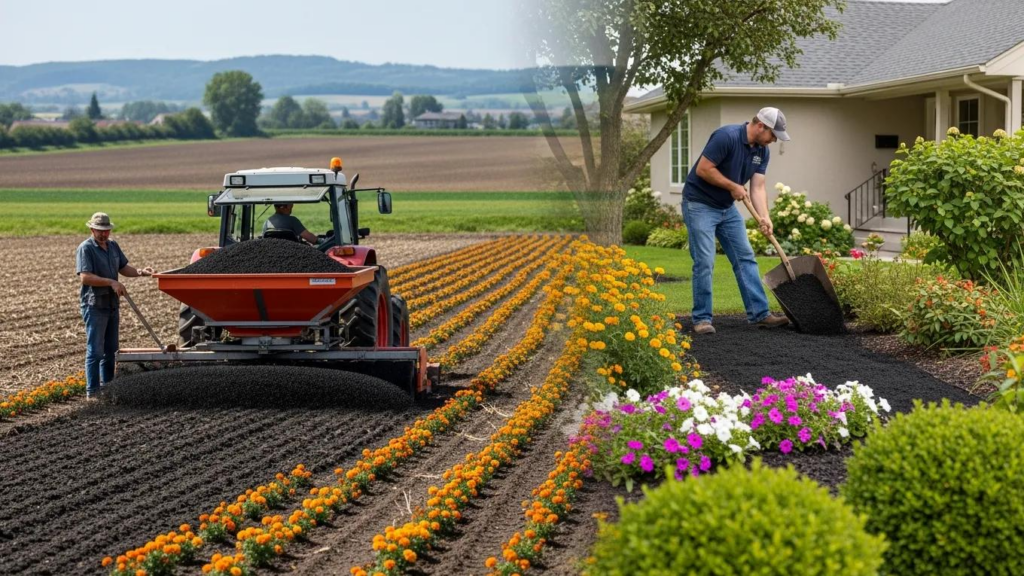
- Agriculture: Farmers utilize biochar as a permanent soil amendment to break up heavy clay, improve nutrient retention, and boost crop yields.
- Construction: Builders are increasingly using biochar as a carbon-negative additive in concrete and asphalt, enhancing material durability while sequestering conbon-di-oxide.
- Landscaping & Stormwater: Professional landscapers use biochar in rain gardens and bioswales to filter pollutants from runoff before they reach the Missouri River.
- Environmental Restoration: Biochar is used to remediate contaminated urban soils, locking away heavy metals and restoring biology to “brownfield” sites.
What Are the Best Biochar Applications for Farmers and Ranchers?
- Soil Amendment Benefits: Biochar improves soil structure, leading to better water retention and root development.
- Nutrient Retention: It retains essential nutrients, reducing the need for chemical fertilizers and promoting healthier crops.
- Cost Savings: By decreasing fertilizer needs, biochar can lead to significant cost savings for farmers.
How Do Builders and Landscapers Use Biochar for Soil Improvement?
- Soil Improvement Techniques: Biochar enhances soil aeration, which is crucial for healthy root systems and plant development.
- Environmental Impact: Its use reduces runoff and improves water quality, contributing to sustainable landscaping practices.
- Aesthetic Benefits: Biochar can enhance plant growth and overall landscaping aesthetics, making it a popular choice among professionals.
These benefits illustrate how biochar can be effectively integrated into construction and landscaping projects.