

Biochar for Soil Fertility: Unlocking Earth's in Kansas City, MO
Biochar, a carbon-rich product of high-temperature pyrolysis, can support soil fertility and soil-health goals by transforming the physical, chemical, and biological structure of degraded land. In Kansas City where native soils are heavily dominated by dense, compaction-prone clay farmers, urban growers, and land managers apply locally sourced woody-biomass biochar to break up tight soil structures, increase water infiltration, and maximize nutrient availability. Its micro-porous architecture acts like a subterranean sponge, supporting moisture retention in the root zone to protect crops during late-summer Midwest droughts while helping reduce nutrient leaching of costly nitrogen and phosphorus fertilizers into regional watersheds.
Furthermore, biochar serves as a porous habitat that can support beneficial soil microorganisms, boosting microbial activity that drives long-term organic matter development and healthier root systems. Sourced from sustainable local forestry and urban wood waste, bulk biochar restores depleted agricultural acreage, improves stormwater management, and provides regional producers with a permanent, climate-smart tool for long-term yield stability and support long-term soil-management goals.
Key Takeaways
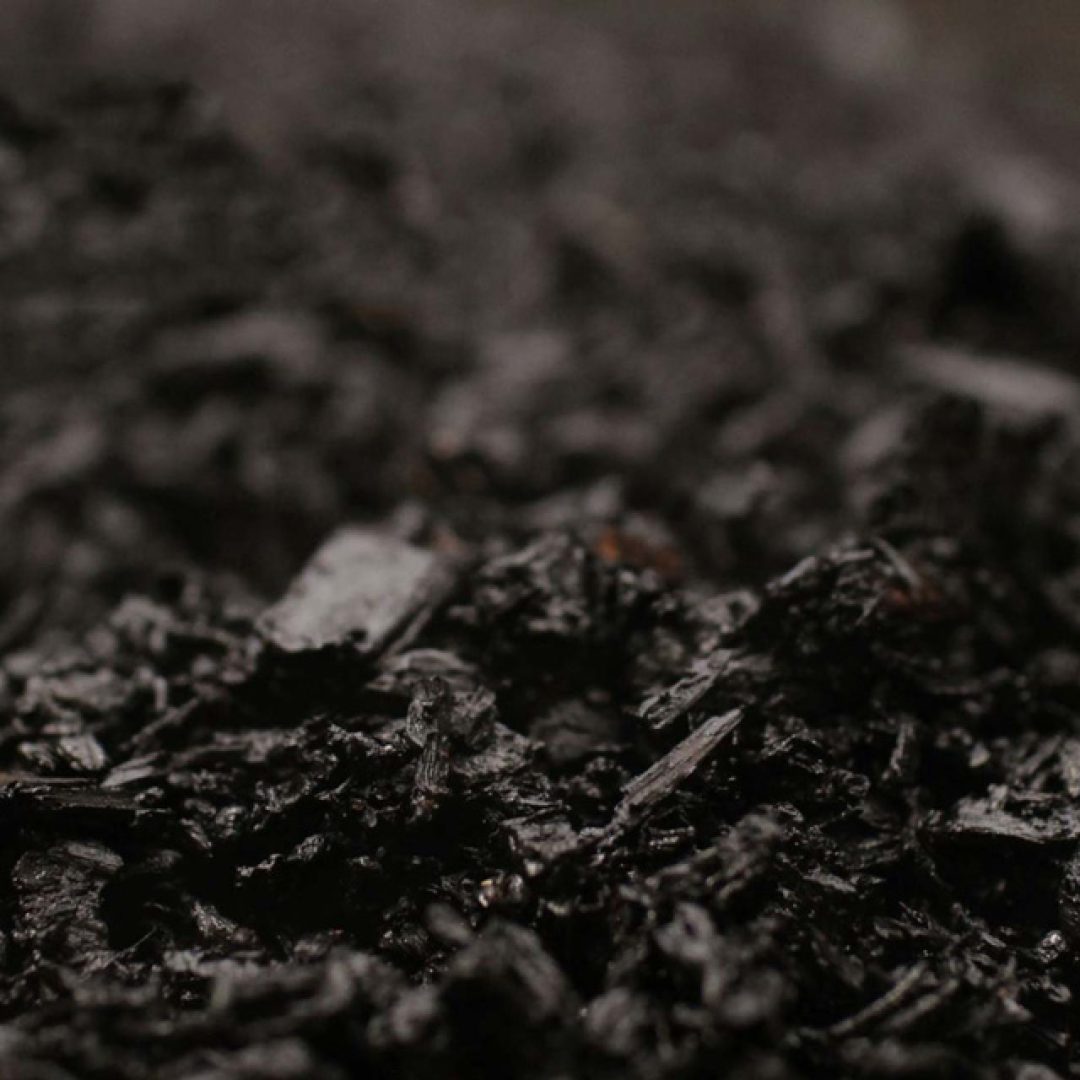
Sustainable Soil Improvement
Applying biochar supports sustainable agricultural production by supporting long-term soil-health goals to soil health, microbial diversity, and crop yields.
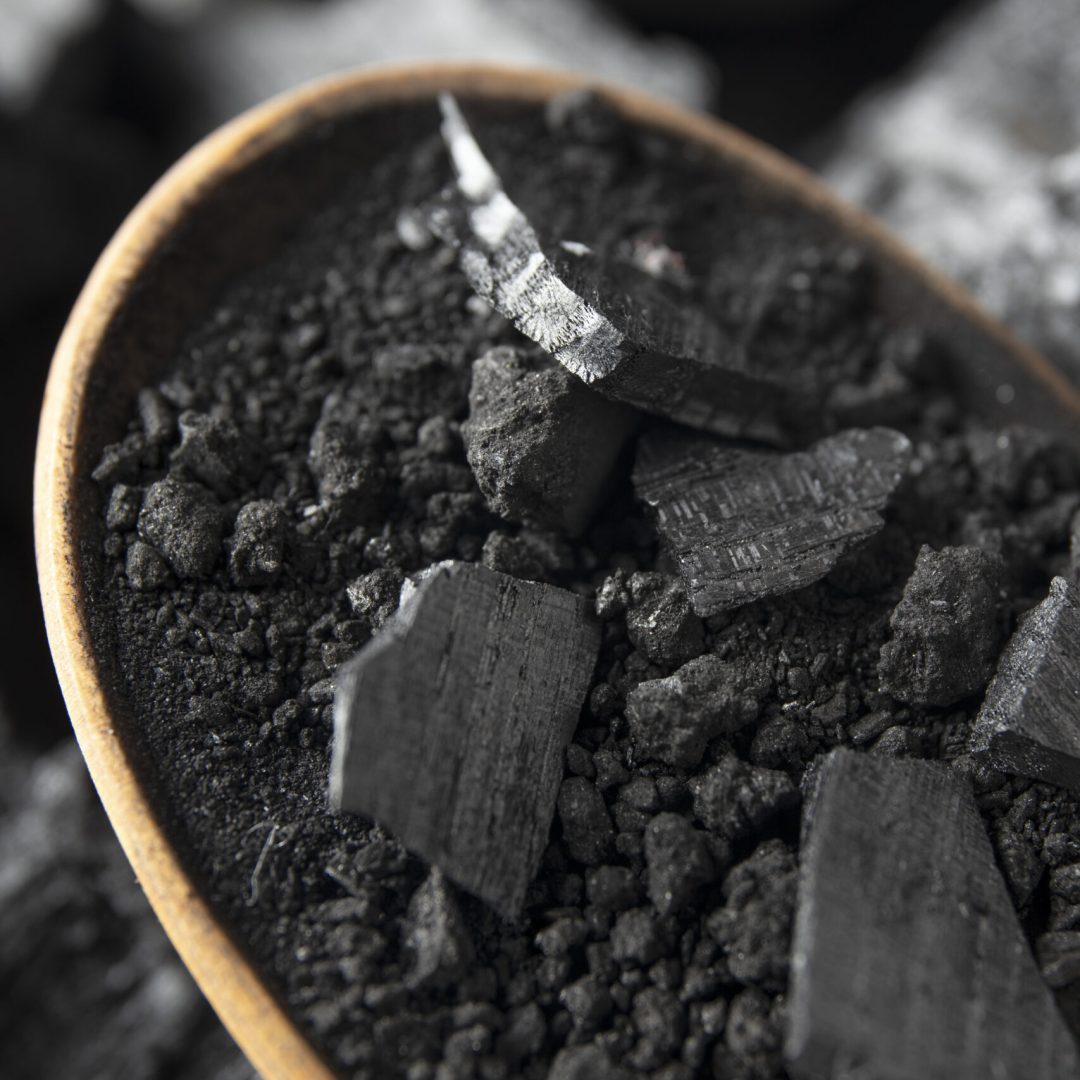
Upcycled Feedstocks
Common agricultural waste streams such as recyclable woodstock can be transformed via pyrolysis into high-performance, carbon-rich biochar.
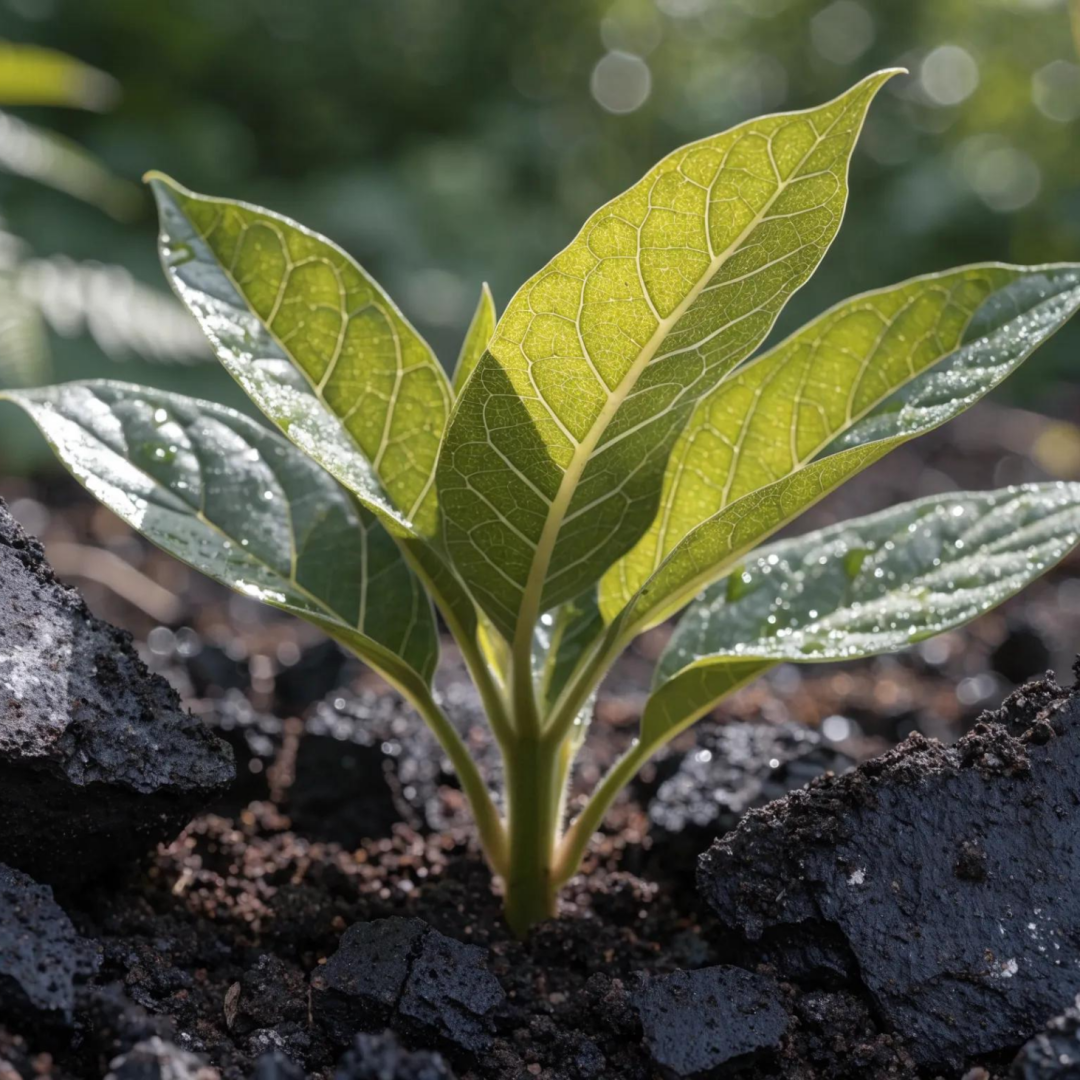
Core Fertility Practice
Biochar stands alongside proven soil amendments like organic manure and cover crops as a useful option for rebuilding soil structure and nutrient retention.
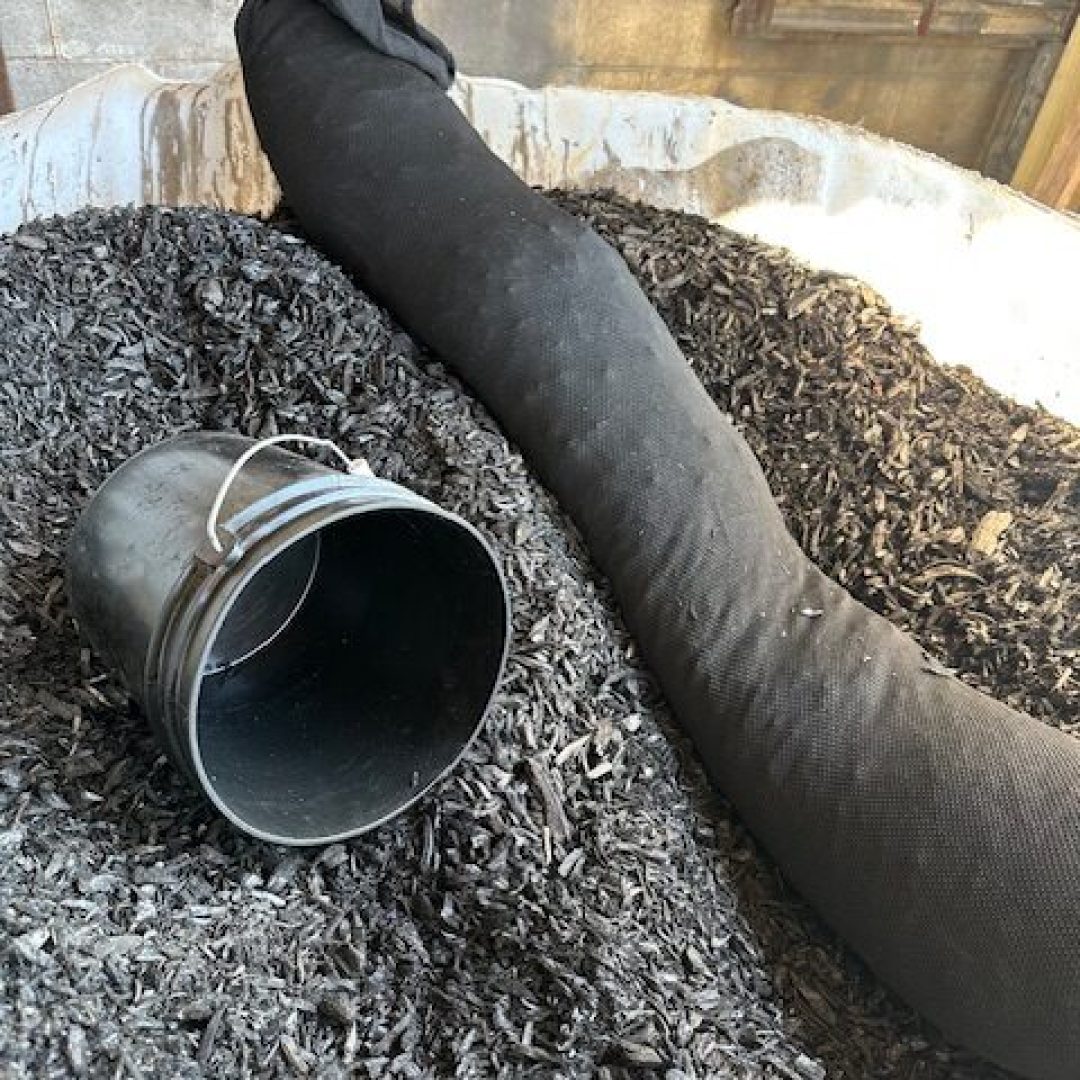
Reversing Soil Degradation
Decades of intensive cultivation leave soil compacted and nutrient-depleted, making biochar an indispensable long-term management intervention to restore land productivity.
What Is Biochar and How Does It Work?
Biochar is a carbon-rich material made from biomass through pyrolysis, the controlled heating of organic matter into a stable form of carbon. Skip this process, and organic waste can decompose and return carbon to the atmosphere over time. At KC Biochar, recyclable woodstock is processed through pyrolysis to produce biochar. Pyrolysis creates a stable carbon-rich structure that can resist breakdown over time, making it a biochar soil amendment for long-term soil-management applications.
By processing local wood waste at precise temperatures, the resulting carbon framework develops a vast internal surface area filled with microscopic pores. These micro-chambers can support the soil’s water-holding capacity and aeration in dense clay profiles. Additionally, the high Cation Exchange Capacity (CEC) of this woody biochar can help retain essential plant nutrients like nitrogen and potassium, helping reduce nutrient leaching during heavy Midwest rainfall. Ultimately, this structure can provide porous habitat for beneficial soil microbes, creating a long-term soil-amendment option for regional farm soils.
How does biochar work in soil?
High-temperature pyrolysis converts woody biomass into a stable, porous carbon matrix that resists rapid decomposition. That porous structure is the mechanism behind how biochar works in soil: it creates physical space for air, water, and microbial life to interact with root systems.
Beyond this structural foundation, biochar functions through three distinct mechanisms within the root zone:
Physical Water Retention
The microscopic honeycomb network can act like a porous sponge within the soil. In heavy clay soils, these carbon particles may support soil porosity, aeration, and water movement, while in sandy soils, they may help support moisture retention during dry periods.
Chemical Nutrient Adsorption
Biochar carries a high Cation Exchange Capacity (CEC) with a negatively charged surface area. This can help it retain positively charged plant nutrients such as ammonium, potassium, calcium, and magnesium, helping reduce nutrient leaching during heavy rainfall.
Biological Microbial Habitat
The internal microscopic chambers can provide porous spaces that support beneficial soil microorganisms, including mycorrhizal fungi and nitrogen-fixing bacteria. This structure may support biological activity and natural nutrient cycling within the root zone.
Why does biochar improve nutrient retention?
Porous carbon structures function much like organic matter does in untreated soil. Research on organic matter shows it:
Increases water holding capacity
Reduces erosion
Allows greater nutrient uptake by plant roots
This is the foundation of biochar nutrient retention, helping retain nutrients that might otherwise leach away. For land managers focused on biochar for soil fertility and long-term biochar soil health, that retention capacity is an important part of its potential value. At a chemical level, this efficiency stems from biochar’s high Cation Exchange Capacity (CEC). Its negatively charged surface can help attract and retain positively charged plant nutrients such as ammonium, potassium, calcium, and magnesium directly in the root zone.
During heavy Midwest rainstorms that would typically flush nitrogen and phosphorus fertilizers past the root zone and into regional waterways, biochar can help retain these nutrients in the root zone. Plant roots may access retained nutrients through ongoing soil processes, which may support nutrient-management goals and help reduce nutrient loss during heavy rainfall.
How Does Biochar Boost Soil Fertility and Health?
Improved soil structure, better water retention, and steadier nutrient availability define how biochar for soil fertility works on Kansas City farms and gardens. Soil quality determines crop yield outcomes; degraded, compacted ground caps productivity no matter how much fertilizer growers apply. KC Biochar’s local production addresses that limitation directly, converting woody biomass into a biochar soil amendment built for Midwestern conditions.
By physically incorporating into heavy Kansas City clay, these microscopic carbon particles may support soil porosity in compacted clay soils, creating pore space that may support drainage, water movement, and aeration in the root zone. Biochar may also help support moisture retention during dry periods. Because biochar is a stable carbon material, its high Cation Exchange Capacity (CEC) can help retain nutrients such as nitrogen, potassium, and trace minerals near root systems and may help reduce nutrient loss during heavy rainfall.
Furthermore, the porous carbon lattice can provide porous habitat that may support beneficial soil microorganisms, including mycorrhizal fungi and nitrogen-fixing bacteria, and may support biological activity and broader soil-health goals over time.
What Does Biochar Actually Do to Soil?
Raw biochar may support soil porosity in heavy Midwestern clay, helping create pore space for roots and water movement. That structural shift can support biochar nutrient retention. The material’s porous carbon structure can help retain nutrients such as nitrogen, phosphorus, and potassium, helping reduce nutrient loss after rainfall. Results can vary based on soil conditions, application rate, crop, and management practices.
At a deeper physical level, incorporating biochar may support soil porosity and water movement. This may help address surface crusting and standing water in some soil conditions. Chemically, its high negative surface charge, or Cation Exchange Capacity (CEC), may influence nutrient availability and soil chemical interactions, including in certain acidic soil conditions.
Biologically, the honeycomb carbon network can provide porous habitat that may support beneficial soil microorganisms and mycorrhizal fungi. Because this carbon matrix is generally more stable than uncharred biomass, its physical, chemical, and biological properties can serve as a long-term soil-amendment option rather than a single-season soil treatment.
Why Does Biochar Matter for Long-Term Land Management?
Biochar soil health benefits may develop over time as part of an ongoing soil-management plan. KC Biochar supplies material in loose bulk loads or 2-cubic-yard super sacks, providing growers with practical formats for soil-amendment applications, including tight clay conditions. Understanding how biochar works in soil — supporting water movement, nutrient retention, and soil biological activity — can matter over time as sustainable farming practices become more widely used. For farmers and land managers weighing long-term investments, that combination of climate resilience and fertility management can make biochar a useful long-term soil-amendment option.
Unlike standard organic inputs like compost or manure, which decompose over time and may require repeated application, biochar is generally more stable than uncharred biomass. This can make biochar part of a long-term soil-management strategy. Over successive years, biochar may support nutrient-management, soil-health, and water-management goals during variable Midwest weather patterns. By adding stable carbon to agricultural soils, biochar can serve as a long-term soil-amendment option for sustainable land management.
How Can You Source KC Biochar for Your Land?
KC Biochar operates directly from its Kansas City, Missouri facility, serving farmers, ranchers, and land managers in the Kansas City region and surrounding areas who need high-grade biochar for soil fertility. Raw biochar from this local operation offers a long-term soil-amendment option for agricultural soil. Biochar can be considered alongside other soil-management practices for land affected by drought, compaction, or intensive tillage.
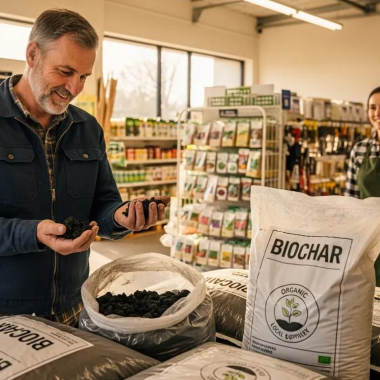
The product itself comes from high-heat thermal conversion of organic biomass in an oxygen-depleted environment, a process known as pyrolysis. That conversion produces a stable, charcoal-like biochar soil amendment designed for long-term soil-management applications.
To source KC Biochar effectively for your operation, land managers can choose between direct bulk truckloads or 2-cubic-yard super sacks available for project-specific handling needs. Local producers can contact KC Biochar directly to receive technical guidance, request tailored product formulations such as raw or nutrient-charged blends, discuss available pickup or delivery options, and learn whether NRCS conservation programs, including Code 336 where applicable, may support eligible biochar projects.
Are There Funding Options to Offset Biochar Costs?
Yes. Growers can explore USDA Natural Resources Conservation Service (NRCS) financial-assistance programs, including Conservation Practice Standard (CPS) Code 336 for Soil Carbon Amendments, which may help support eligible biochar procurement and application projects. Under federal funding frameworks such as the Environmental Quality Incentives Program (EQIP), eligible producers may qualify for financial assistance depending on local NRCS requirements, available funding, and project approval.
This government-funding pathway may be considered alongside commercial purchasing options, giving operations another potential pathway to consider based on their scale, acreage, and implementation timeline.
Direct Commercial Purchase
Contact KC Biochar to discuss current product availability, order quantity, and timing.
Pre-Order Volume Pricing
Pre-order and volume pricing may be available depending on product type, quantity, and current availability.
NRCS EQIP Cost-Share Programs (Code 336)
NRCS programs may provide financial assistance for eligible conservation projects, subject to local NRCS requirements, funding availability, and project approval.
Summary & Regional Agricultural Value
Regional agriculture benefits immensely from this biochar soil health strategy through improved fertility, increased water-holding capacity, and reduced chemical leaching across working farmland.
Biochar’s capacity to enhance soil fertility through carbon sequestration, nutrient retention, and microbial activity establishes it as a substantive amendment for agricultural and environmental applications. Sourced from sustainable local biomass and produced in Kansas City, Missouri, quality biochar delivers measurable improvements to soil structure and crop productivity. By pairing direct local supply chains with federal cost-share programs, Midwest growers can access a proven, climate-smart tool for optimizing long-term soil health and farm profitability across diverse growing conditions.
FAQ
Biochar comes from woody biomass and agricultural residues such as straw, husks, and nut shells converted into a stable carbon material through pyrolysis. KC Biochar specifically sources locally harvested woody biomass for its Kansas City production.
Biochar’s porous carbon structure breaks down heavy Midwestern clay, opening space for water, air, and roots while trapping nitrogen, phosphorus, and potassium that would otherwise leach away. This increases microbial activity, improves moisture retention, and significantly reduces fertilizer runoff.
Unlike decomposing organic waste that releases carbon back into the atmosphere within a few growing seasons, pyrolysis locks carbon into a stable structure that resists breakdown far longer. This provides biochar soil health benefits including increased nutrient availability and habitat for beneficial microbes that compound over time rather than fading.
KC Biochar provides raw biochar, pre-charged (compost-enriched) blends, and bulk options delivered in 2-cubic-yard super sacks or full truckloads across Missouri, Kansas, Nebraska, and Iowa.
Facts
Home – KCBIOCHAR is located in Kansas City, MO, US.