

Biochar for Soil Health: Kansas City's Growing Solution
Biochar delivers measurable, long-term soil health improvements for Kansas City farmers, commercial landscapers, and land stewards by significantly boosting water retention, maximizing nutrient availability, and eliminating persistent compaction. Produced via high-heat pyrolysis from sustainably managed regional woody biomass, KCBIOCHAR’s bulk products directly resolve the severe erosion, runoff, and fertility challenges inherent to Midwest clay soils. By sourcing these high-carbon amendments locally rather than relying on distant suppliers, area growers secure a cost-effective, environmentally responsible soil solution engineered specifically for regional growing conditions.
Key Takeaways
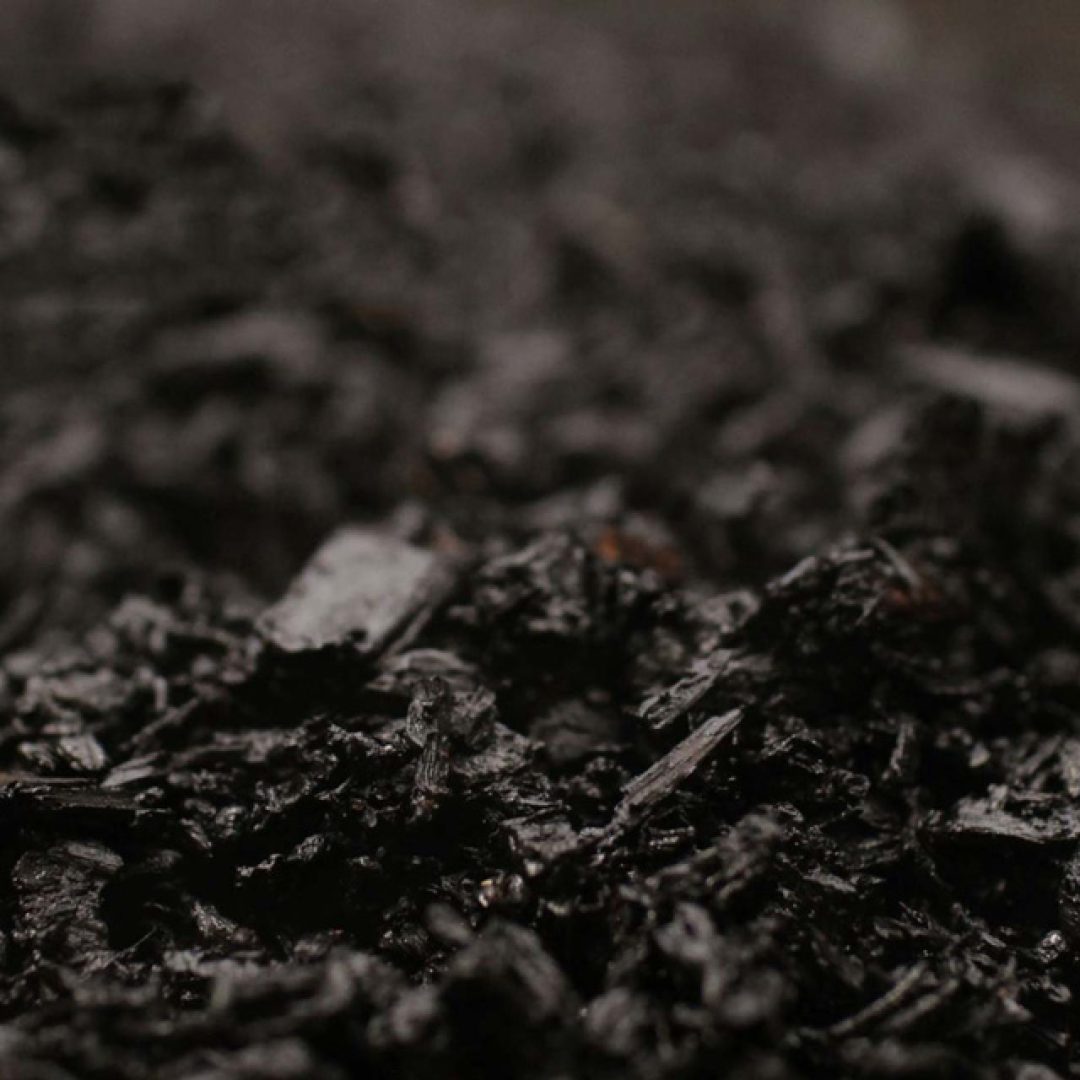
Targeted
Regional
Solutions
KC Biochar provides high-performance, locally engineered biochar products that help Kansas City farmers, commercial growers, and eco-conscious land managers solve chronic soil degradation.
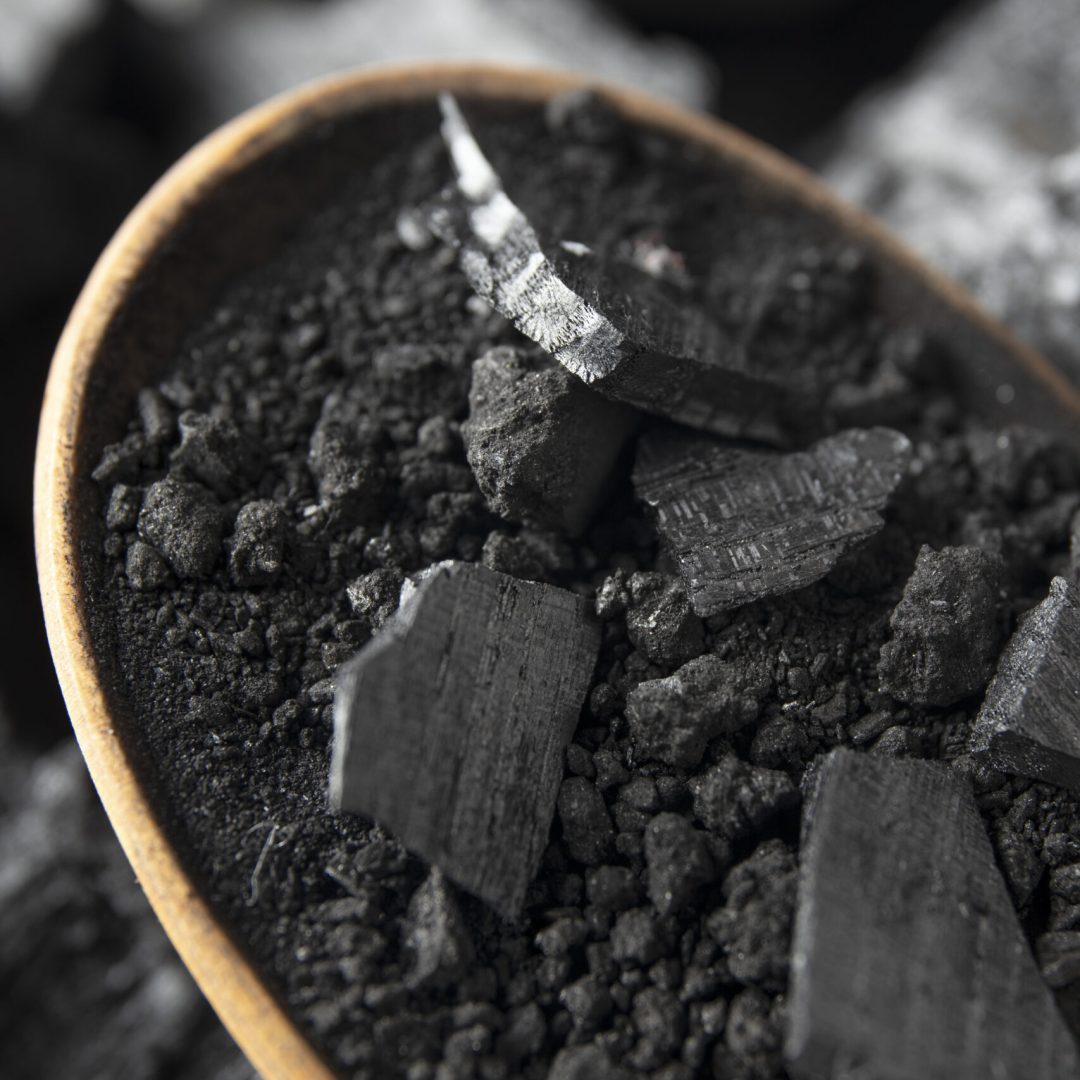
Decades of
Proven
Field Testing
Local biochar production and application rate trials date back to 2010 at the Kansas City Community Farm, establishing a research-backed framework supported by regional agricultural funding.
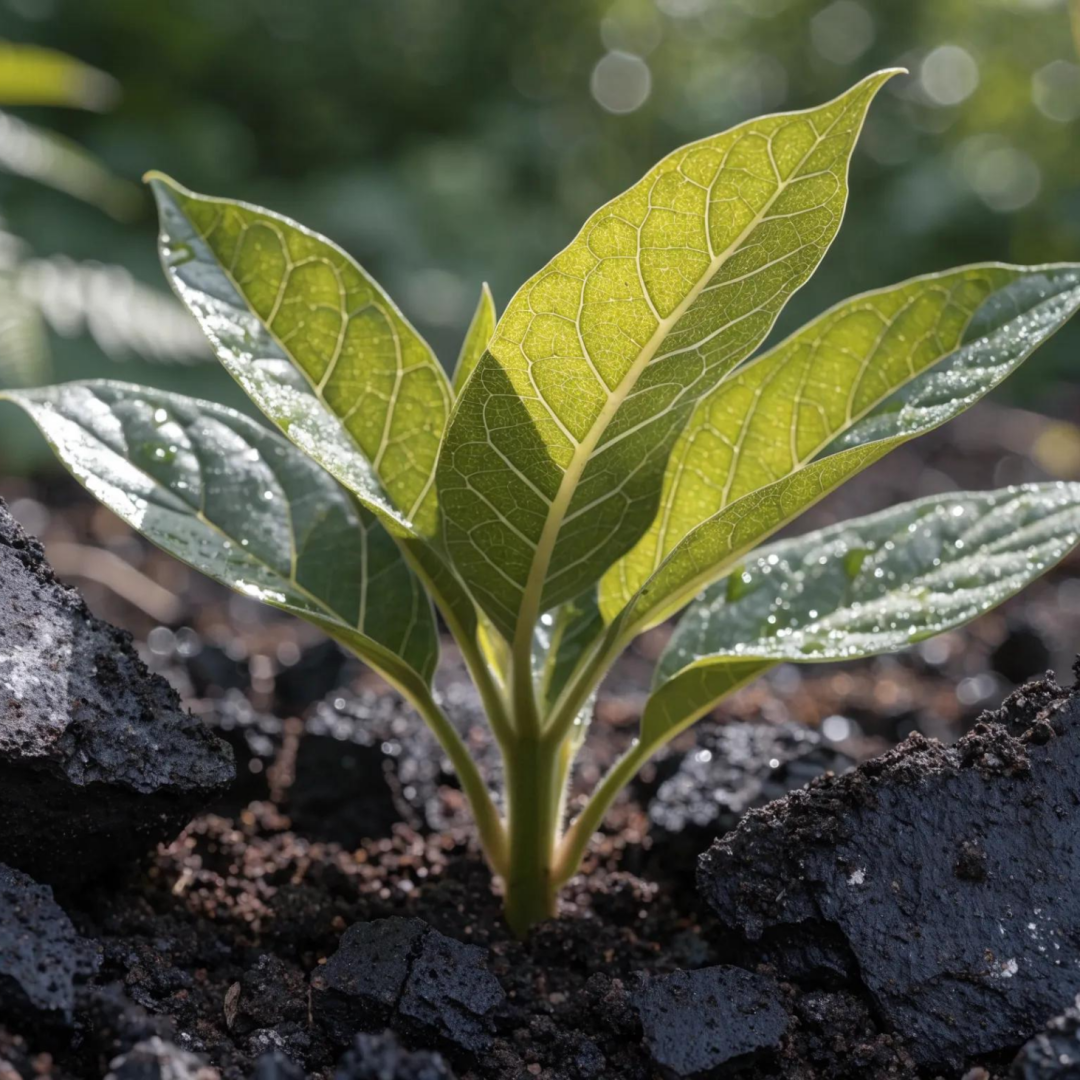
Structural Health
and
Erosion Control
Incorporating stable carbon into native soils significantly improves macro-pore structure, limits sediment runoff, and stabilizes slopes across Midwest agricultural acreage.
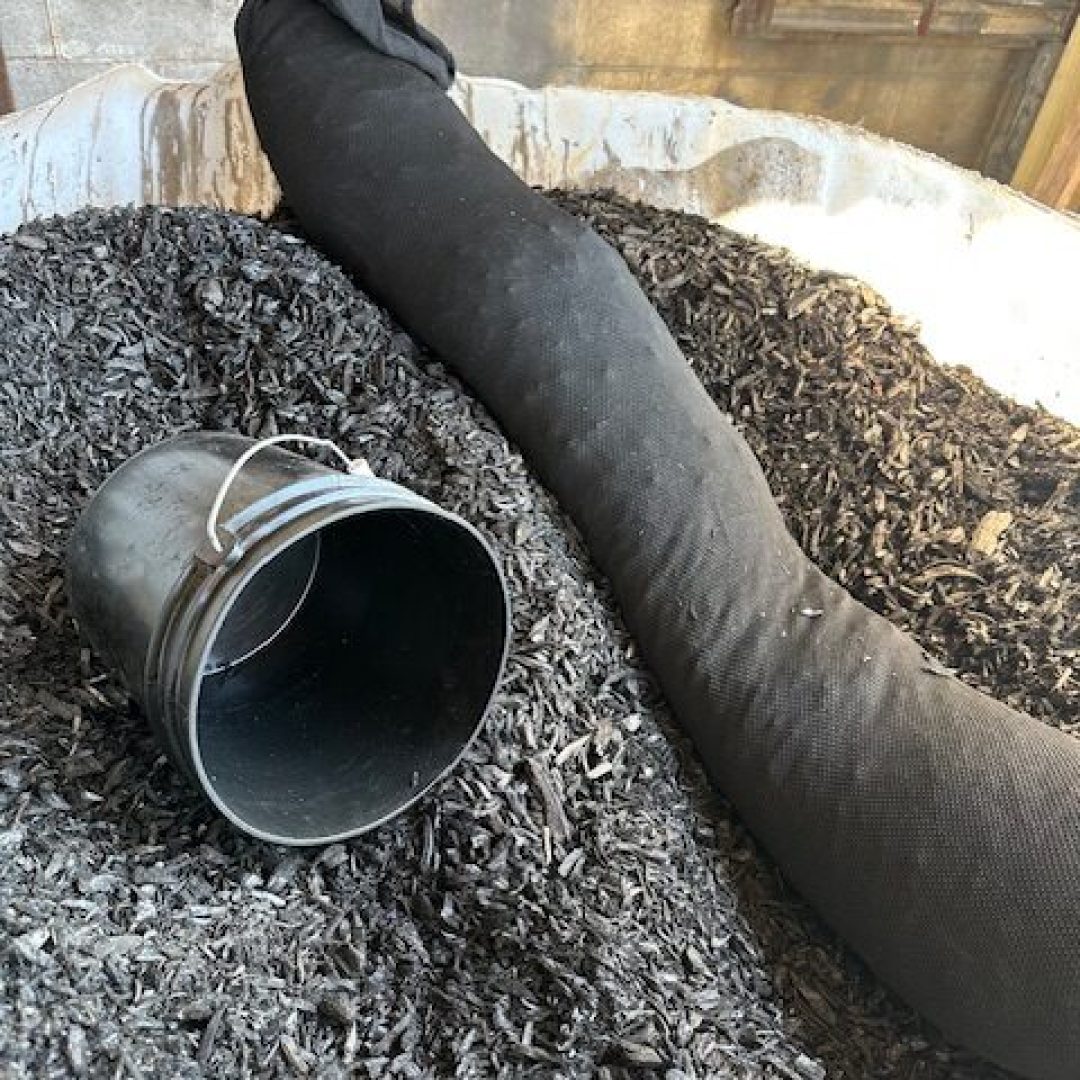
Accessible Sustainable Agriculture
Sourcing locally produced biochar eliminates expensive freight costs, making practical, climate-smart soil amendments accessible to communities throughout the greater Kansas City metropolitan area.
Why Does Kansas City Soil Need Biochar?
Heavy native clay dominates the Kansas City metro, creating an unforgiving soil structure that limits root penetration, chokes internal drainage, and locks away vital plant nutrients. Under heavy spring precipitation, compacted clay saturates quickly and sheds water as surface runoff rather than absorbing it, leaving crops and landscape plantings vulnerable to drought stress during dry, sweltering Midwest summers. Amending with biochar tackles this problem directly by permanently expanding macro-pore space and fundamentally upgrading how the soil profile regulates both moisture and fertility.
Biochar is a pure, highly porous carbon amendment produced through pyrolysis a controlled, high-heat process that converts forestry residues and diverted urban wood waste into stable carbon in an oxygen-depleted chamber. For local growers, this delivers a circular double benefit: it redirects regional wood waste away from local landfills and transforms stubborn Midwestern clay into a friable, workable growing medium. Unlike decomposing organic matter, biochar’s rigid carbon framework permanently prevents clay platelets from collapsing back together. This lasting structural change promotes deep root establishment, optimizes water infiltration, and secures dependable harvest yields across unpredictable growing seasons.
Does biochar actually improve Kansas City soil conditions?
Yes. Biochar application continues to gain traction across the Kansas City area because it reliably delivers three measurable agronomic outcomes: revitalized soil biology, enhanced water-holding capacity, and dramatically increased nutrient availability. Regional growers, urban farmers, and commercial landscapers see these targeted results across three primary field conditions:
Compacted or
Clay-Heavy
Fields
The rigid carbon lattice acts as a permanent physical wedge between dense clay platelets, creating durable macro- and micro-pore networks that restore air exchange and allow root systems to penetrate deep into subsoil layers.
Row Crops and Vegetable Beds Needing Moisture Resilience
By functioning as a subterranean sponge, biochar captures water during heavy spring cloudbursts and releases it slowly through prolonged summer dry spells, significantly buffering crops against heat stress.
Sloped Landscapes and Disturbed Construction Sites
Incorporating biochar improves aggregate stability and water infiltration rates, minimizing surface pooling, mitigating rapid sheet runoff, and safeguarding exposed topsoil from severe erosion.
Does biochar do anything beyond soil improvement?
Yes. Beyond its direct agronomic benefits, biochar serves as an exceptionally durable carbon sink. When wood waste or crop residues naturally decay or are burned, they release carbon dioxide back into the atmosphere; converting that same biomass into biochar via pyrolysis locks that carbon into a chemically recalcitrant form that remains stable in the soil for hundreds to thousands of years. For Kansas City land stewards managing degraded acreage or erosion-prone slopes, incorporating biochar provides a high-impact, dual-purpose solution: it delivers immediate physical soil rehabilitation while establishing a permanent, measurable carbon-sequestration asset.
How Should You Choose a Biochar Product?
Selecting the right biochar product depends on baseline soil structure, application scale, and the specific thermal conversion method used during production. Kansas City growers regularly face heavy, compacted clay, seasonal waterlogging, and site disruption from urban development. Rather than focusing purely on brand names, choosing the right physical form raw, charged, or compost-blended is what directly dictates results in native soil. KC Biochar supplies these three foundational bulk grades to farmers, commercial landscapers, and municipal land managers across the KC metro and surrounding counties:
Raw Biochar (Structural Upgrades)
100% pure pyrolyzed carbon without added biologicals or synthetic nutrients. Because its recalcitrant carbon skeleton will not break down over time, raw biochar provides a permanent physical and chemical upgrade to agricultural and landscaping soils. Area growers dealing with dense native clay frequently begin here, using raw biochar fines or coarse grades to physically wedge tight platelets apart and establish permanent macropores. When applying raw biochar, growers typically layer in fertilizer or inoculants separately to satisfy its high absorption capacity.
Charged Biochar (Active Inoculation)
Biochar pre-loaded with active biology and liquid or organic nutrients before field application. Because newly produced biochar acts like an empty sponge, applying uncharged material alongside active seedlings can temporarily pull native nitrogen from the soil profile. Charged biochar bypasses this adjustment period entirely, delivering an active microbial charge and bioavailable nutrients directly to plant roots on day one.
Compost-Blended Biochar (Ready-to-Use Tilth)
A pre-mixed balance of finished organic compost and biochar (such as a 20% to 50% carbon blend). This option provides immediate microbial stimulation and friability from the compost alongside the non-degrading aeration and moisture retention of biochar, making it the most cost-effective and labor-efficient solution for one-pass garden bed preparation, tree planting, and turf topdressing.
What's the difference between raw and charged biochar?
The defining difference lies in nutrient saturation at the time of application. Raw biochar arrives completely unamended straight from the pyrolysis chamber, meaning its vast microscopic surface area acts like an empty sponge. If worked into the ground without prior treatment, it will temporarily bind native nitrogen, minerals, and moisture from surrounding soil until reaching equilibrium. In contrast, charged biochar (or “inoculated” biochar) is co-composted or steeped in liquid organic amendments, worm castings, or compost teas before it hits the field. This pre-loads the carbon honeycomb with active biology and soluble nutrients, preventing nutrient tie-up and delivering an immediate fertility boost to Kansas City root systems on day one.
Delivery format is equally critical for operational efficiency on Midwest job sites. KC Biochar supplies both variants in two tailored commercial volumes:
Loose Bulk Loads
Dump-truck deliveries optimized for multi-acre agricultural fields, extensive pasture renovation, and large-scale slope or erosion-control installations.
2-Cubic-Yard Super Sacks
Crane- or forklift-ready bulk bags designed for urban growers, commercial landscapers, and confined residential sites where staging space and material cleanliness are vital.
Both delivery options provide the same foundational benefit: establishing a permanent subterranean matrix that breaks apart dense native clay, restores macro-pore aeration, and safeguards moisture throughout the entire metro growing season.
Where Can Kansas City Growers Source Biochar?
Kansas City’s dense clay soils respond well to organic materials that improve structure over time. Pine bark, compost, and trace minerals each address a different weakness aeration, microbial activity, and nutrient gaps, respectively. These options represent a broader category: a soil amendment for gardens built specifically for regional clay, not generic potting mixes.
To build a truly resilient, high-performance soil profile in the Midwest, growers combine these complementary amendments to tackle compaction on multiple fronts:
Local sourcing is critical for growers seeking high-grade biochar without inflating input budgets with long-distance freight fees. The Kansas City metro hosts established regional producers and distribution networks, giving farmers, commercial landscapers, and municipal land managers dependable access to bulk materials without the long lead times of distant suppliers.
Raw and conditioned biochars have quickly established themselves as foundational soil amendments across western Missouri and eastern Kansas. Produced via high-heat pyrolysis in an oxygen-free chamber, the resulting high-carbon material arrives ready for immediate incorporation into native clay or co-composting with local organic matter. KCBIOCHAR headquartered in Kansas City, Missouri (operating out of Fremont Ave with regular weekday loading hours) supplies the metro directly. Sourcing locally recycles regional wood residues, ensures full supply-chain transparency, and eliminates costly interstate shipping.
Cost management extends well beyond the initial purchase invoice. Agricultural producers and qualifying land stewards across the Kansas City region can pair commercial procurement with USDA Natural Resources Conservation Service (NRCS) financial incentives. Under programs like the Environmental Quality Incentives Program (EQIP) and its Conservation Practice Standard for Soil Carbon Amendment (Code 336), growers can access technical guidance and substantial cost-share reimbursements to offset the expense of applying biochar to farm and pasture land.
Has biochar been tested locally in Kansas City?
Yes. Local biochar production and application rate trials date back to early field evaluations at the Kansas City Community Farm, providing regional growers, urban farmers, and commercial land managers with field-level empirical data rather than speculative lab projections. These trials established clear benchmarks for how pyrolyzed carbon interacts specifically with heavy Midwestern clay, demonstrating dramatic reductions in seasonal compaction and measurable improvements in soil aggregate stability and water infiltration.
To ensure consistent agronomic performance when sourcing bulk carbon products, regional buyers should evaluate suppliers using this focused checklist:
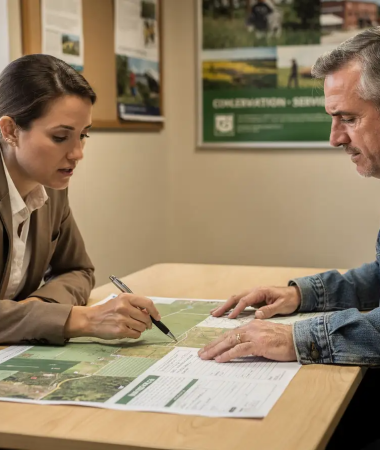
Production Standards: Verify that the amendment is produced through high-temperature, controlled pyrolysis rather than basic campfire or boiler charring. Industrial pyrolysis guarantees high fixed carbon content, an open cellular pore structure, and zero volatile contaminants.
Feedstock Provenance: Inquire about the source material. High-quality regional biochar relies on clean, untreated, sustainably harvested forestry timber and urban wood residues rather than municipal trash or construction debris.
Cost-Offset Eligibility: Evaluate direct commercial wholesale quotes against USDA-NRCS Conservation Practice Standard (Code 336 / Soil Carbon Amendment) parameters to capture applicable cost-share and grant reimbursements.
Regional Supply Proximity: Partner with suppliers operating production facilities and staging yards directly within the Kansas City metro to eliminate expensive freight surcharges, reduce transport emissions, and ensure on-demand delivery during tight planting schedules.
FAQ
Native clay compacts easily, restricting root growth, drainage, and biological activity. Biochar restores permanent macro-pore space, allowing soil to absorb excess rainfall and retain moisture and nutrients through dry, unpredictable Midwest summers.
Yes. Field trials show biochar visibly improves soil tilth, boosts water-holding capacity, and limits nutrient leaching across compacted clay fields, commercial row crops, and erosion-prone slopes.
KCBIOCHAR supplies raw pyrolyzed carbon, nutrient-charged biochar, and compost blends in bulk loads, 2-cubic-yard super sacks, and 5-gallon buckets for regional growers, landscapers, and land managers.
Conclusion
In closing, biochar represents a substantive, permanent approach to soil health improvement for Kansas City-area applications, grounded in established agronomic principles and regional production capacity. The material’s ability to maximize water retention, lock in nutrient availability, and fundamentally restructure native clay addresses the most documented physical challenges in Midwestern soil management. By sourcing high-grade biochar derived from sustainable, local woody biomass, Kansas City growers, landscapers, and land stewards strengthen both regional environmental stewardship and supply chain resilience—securing a fertile, productive subterranean foundation built to perform for generations.